Mastering the Fundamentals: The Enduring Value of the 3-Axis Lathe
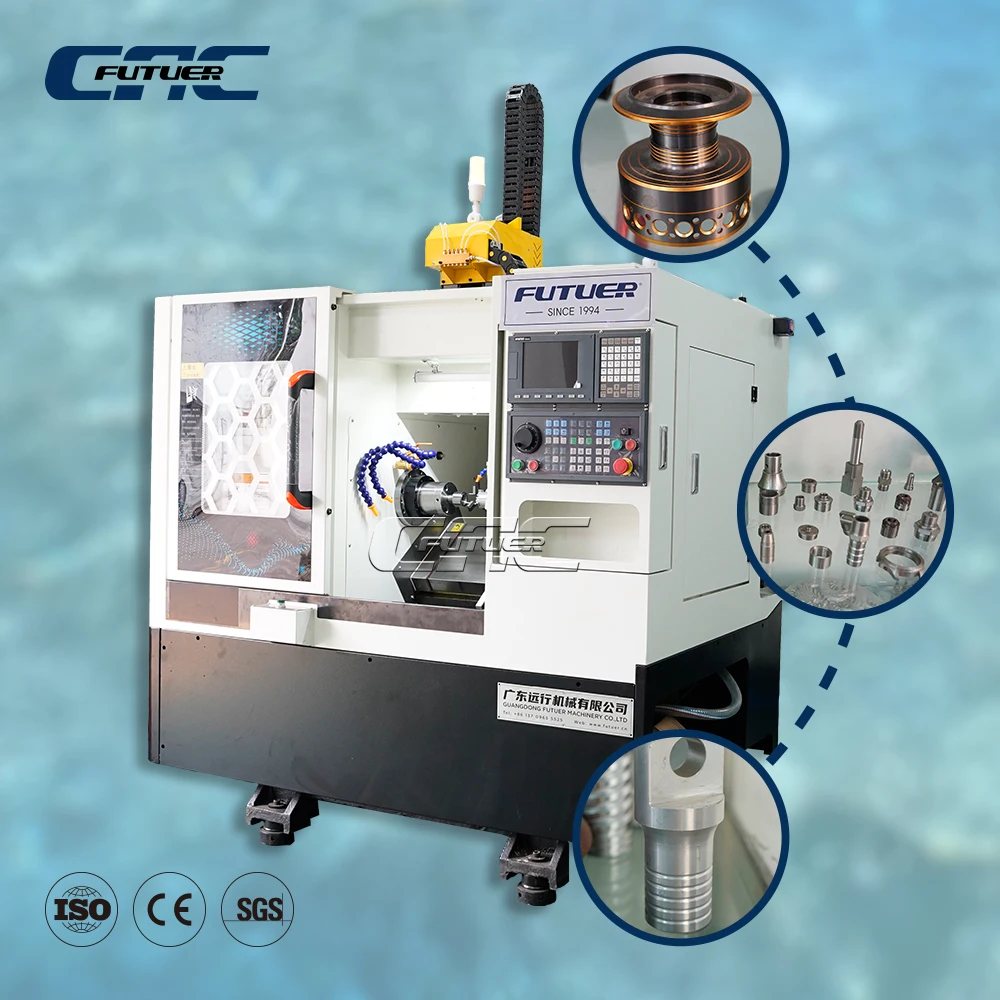
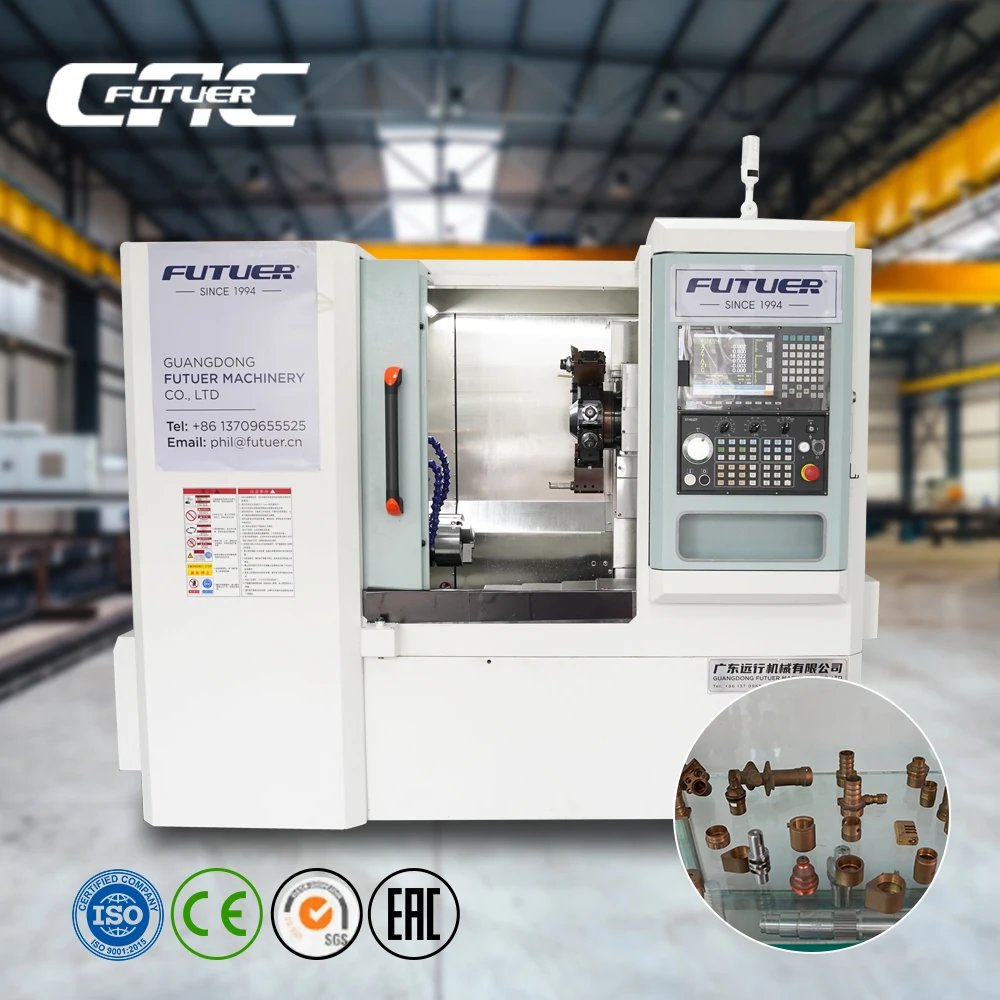
The 3-axis lathe remains the bedrock of precision machining, offering an unmatched combination of simplicity, reliability, and cost-effectiveness for a vast range of turning operations. Its control over the X, Z, and C axes allows for complex facing, turning, and drilling operations, making it the go-to solution for producing high-quality cylindrical parts. From creating sturdy shafts and precise bushings to manufacturing reliable flanges and connectors, this machine is the workhorse in industries like general manufacturing, automotive, and industrial machinery where robust, rotationally symmetric components are essential.
A key application prospect lies in its role as the most accessible entry point into CNC technology for workshops and aspiring machinists. The lower initial investment and simpler programming curve compared to more complex machines lower the barrier to entry, enabling small to medium-sized enterprises to automate production and boost output. This makes the 3-axis lathe ideal for high-volume production runs of standard parts, prototype development, and vocational training, providing a solid foundation in CNC principles without overwhelming complexity.
Despite the rise of multi-axis systems, the 3-axis lathe continues to prove its critical value in streamlined manufacturing cells and mass-production environments. Its operational simplicity translates to faster setup times and reduced operator training, maximizing uptime for dedicated production lines. Furthermore, its durability and ease of maintenance ensure a long operational life, providing a fantastic return on investment. For manufacturing everything from simple fasteners and hydraulic components to the foundational parts of larger assemblies, the 3-axis lathe delivers the consistent precision and efficiency that modern industry depends on.

 EN
EN