Built for Stability: The Foundational Role of the CNC Horizontal Lathe
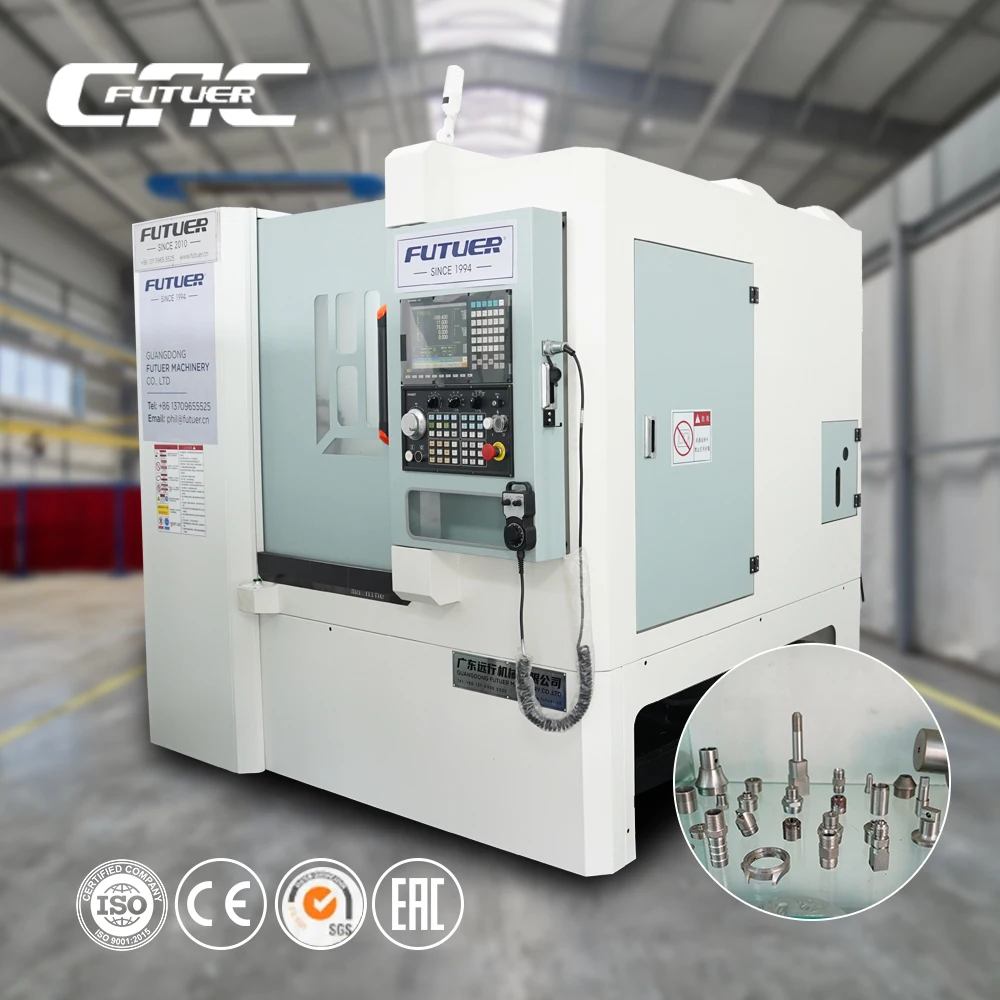
The primary significance of the CNC horizontal lathe lies in its inherent design superiority for handling heavy, large-diameter workpieces. With the spindle oriented horizontally, gravity works with the machine, pulling the chuck and workpiece securely into the bed. This configuration provides exceptional stability and damping, which is critical for absorbing the immense forces generated during the machining of massive parts like those found in the energy, mining, and heavy equipment sectors. It is the undisputed choice for turning large rolls, rugged shafts, and thick-walled cylinders that would be impractical or unsafe on a vertical lathe.
This robust stability directly translates to unparalleled machining accuracy and superior surface finishes on long, heavy components. The horizontal design effectively mitigates deflection, ensuring that cutting tools can maintain precise tolerances even under significant load. Furthermore, the configuration allows for efficient chip management; chips and coolant fall away from the workpiece and into the conveyor system below, preventing recutting and protecting the finish. This makes the CNC horizontal lathe indispensable for applications where dimensional integrity over a long span is non-negotiable, such as in marine propulsion shafts or industrial machinery spindles.
Beyond massive parts, the CNC horizontal lathe is a cornerstone of high-volume production efficiency, especially when integrated with automated systems. Its accessible design simplifies the integration of gantry loaders and robotic part handlers, creating a seamless manufacturing cell for producing batches of smaller, precision parts like disc brakes or gear blanks. This versatility—from gigantic single pieces to automated high-output runs—solidifies its significance as a flexible, powerful, and foundational asset in any serious manufacturing operation, delivering a reliable return on investment through unwavering performance and durability.

 EN
EN