Strategic Investment: How CNC Lathe Machine Cost Unlocks Specific Application Areas
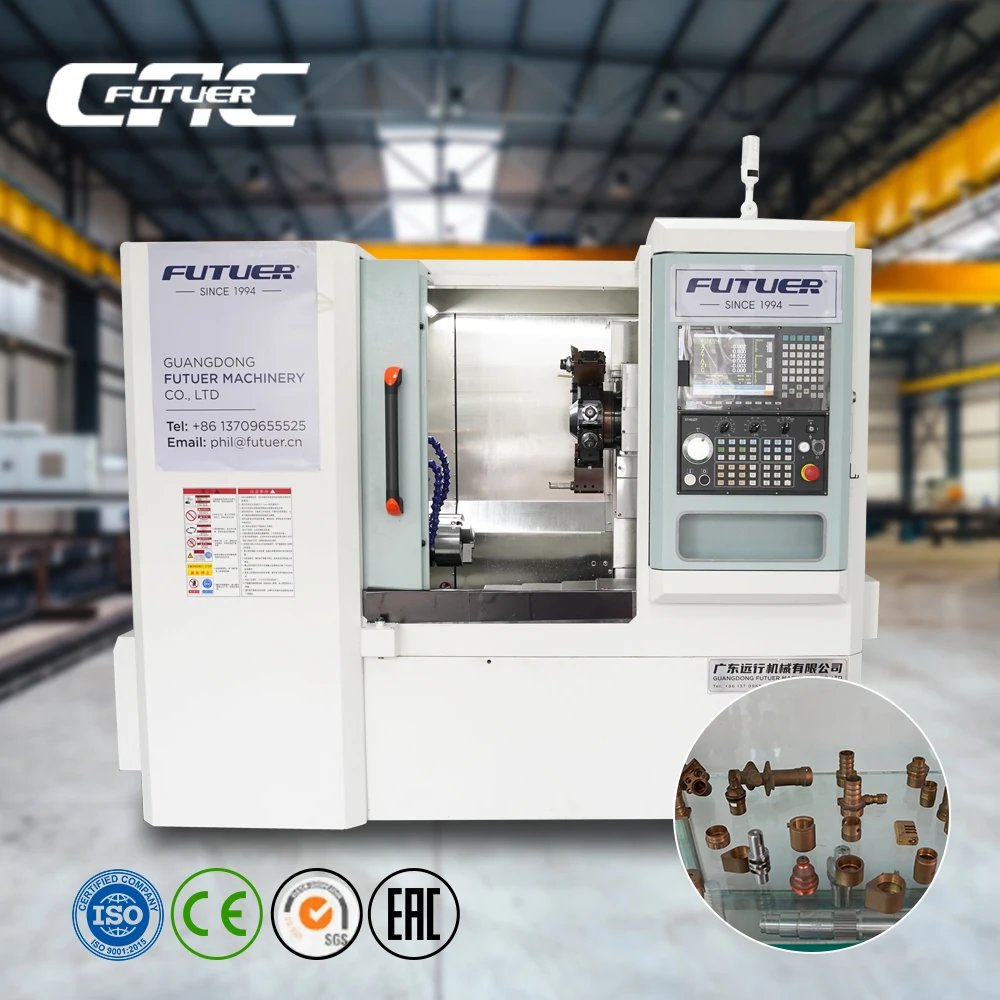
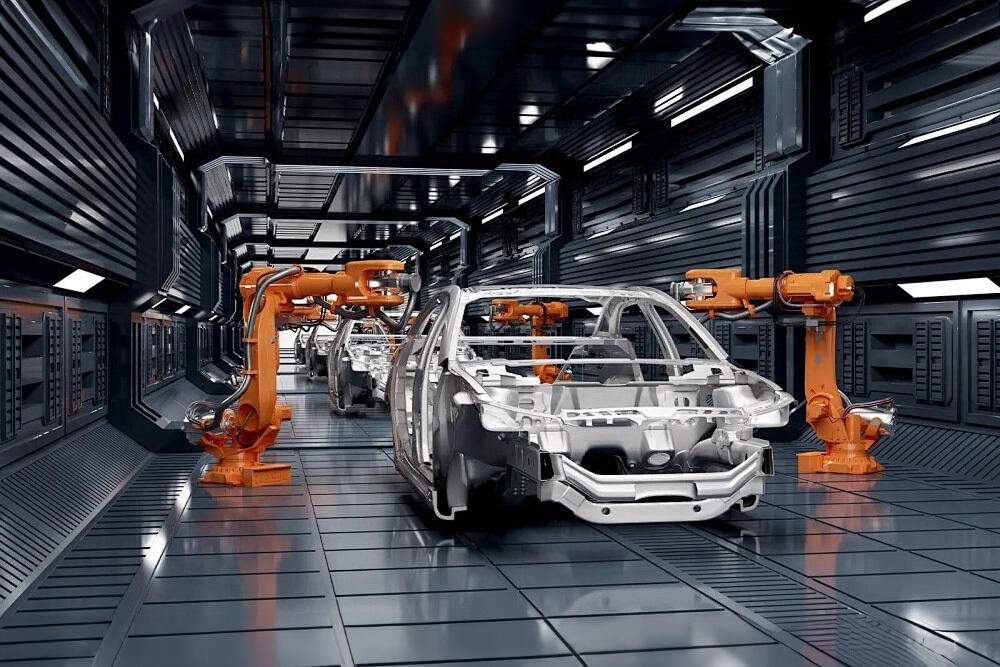
Understanding CNC lathe machine cost is key to selecting the right tool for high-volume production of fundamental components. The investment in an entry-level 2-axis machine is strategically applied to the mass production of simple, rotationally symmetric parts like bushings, shafts, and fasteners. This cost-effective automation is the backbone of automotive supply chains and general manufacturing, where the primary goal is achieving unparalleled consistency and speed for foundational parts, ensuring a rapid return on investment through reduced labor and increased output.
The cost increases significantly when moving to a CNC lathe with live tooling and a second spindle, an investment that unlocks the application of "done-in-one" complex part manufacturing. This mid-range price point is justified for producing intricate components such as medical bone screws, aerospace fittings, and multi-feature hydraulic parts. The higher initial machine cost is directly offset by the elimination of secondary operations, slashing total production time, minimizing handling errors, and allowing a workshop to capture higher-value contracts in competitive, precision-driven industries.
At the premium end of the CNC lathe machine cost spectrum are multi-axis mill-turn centers, representing a strategic investment for dominating niche, high-value manufacturing. This substantial capital outlay is applied to the production of highly complex, non-rotationally symmetric parts like turbine blades and advanced prototypes. The cost here is not merely for a machine but for a complete production cell capable of unattended operation, maximizing throughput for the most demanding applications in sectors like defense and energy, and securing a long-term competitive advantage through unparalleled capability and efficiency.

 EN
EN