Understanding the Cost of a CNC Lathe Machine: An Investment in Capability
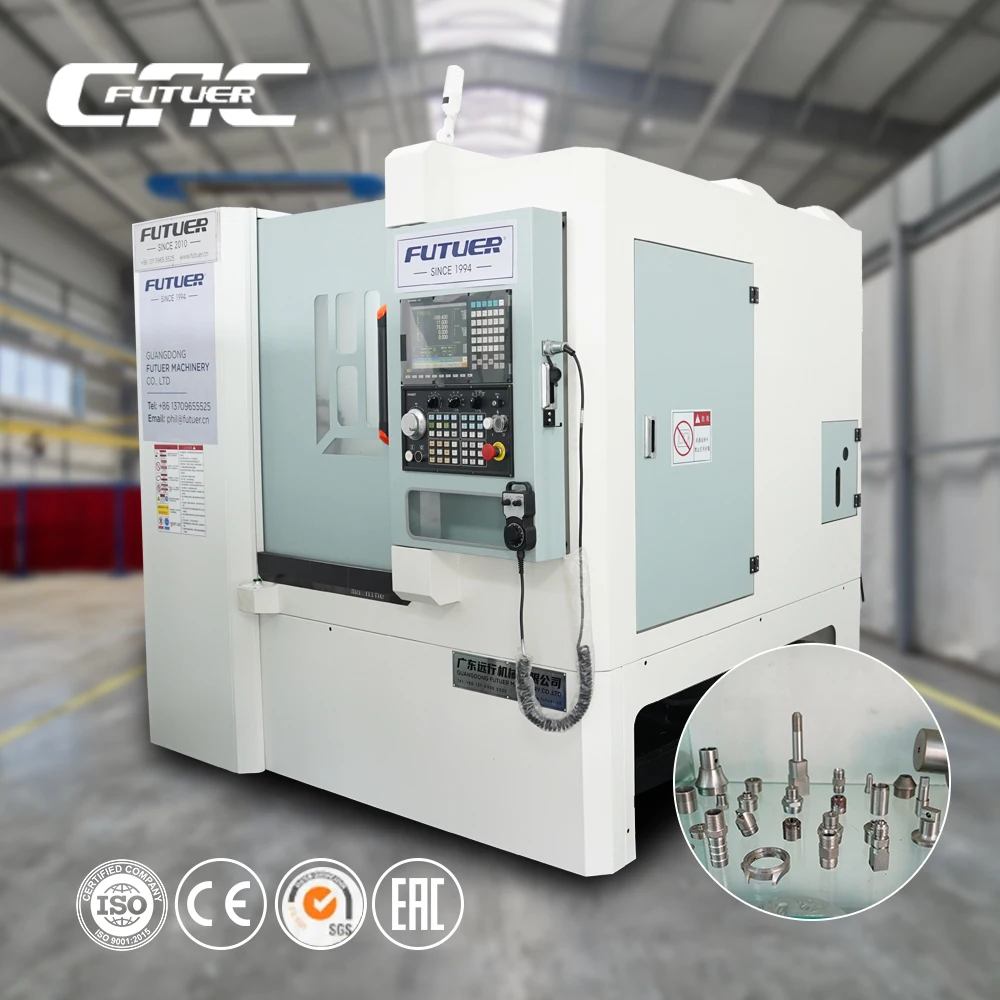
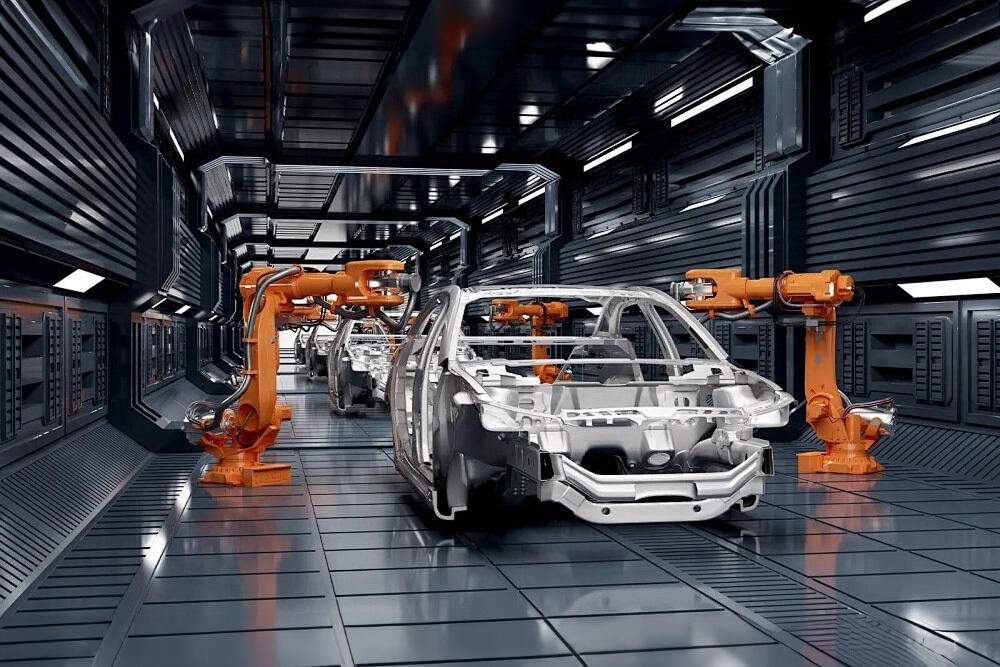
The investment in a CNC lathe machine directly unlocks high-volume production capabilities for precision rotational parts. The cost is justified by the machine's ability to perform repetitive turning, facing, and boring operations with unwavering accuracy and speed, 24/7. This makes it an essential asset for automotive, aerospace, and consumer goods manufacturers, where the per-part cost and production throughput of components like shafts, valves, and bushings are critical to profitability and market competitiveness.
A significant portion of a CNC lathe's cost is attributed to its advanced features, which expand its application into complex, "done-in-one" machining. Machines with live tooling, Y-axis, and C-axis capabilities command a higher price but eliminate the need for secondary operations. This investment pays dividends in job shops and medical manufacturing by enabling the production of intricate parts—like those with off-center holes or milled flats—all in a single setup, saving time, reducing handling, and ensuring perfect part concentricity.
Ultimately, the cost of a CNC lathe machine must be evaluated as a strategic investment in automation and future growth. Higher-end models are automation-ready, designed for integration with robotic loaders and pallet systems. This facilitates lights-out manufacturing, drastically increasing overall equipment effectiveness (OEE) and providing a rapid return on investment. For a modern factory, this isn't merely a machine purchase; it's the foundational cost of building a resilient, data-driven, and highly competitive manufacturing operation for the Industry 4.0 era.

 EN
EN