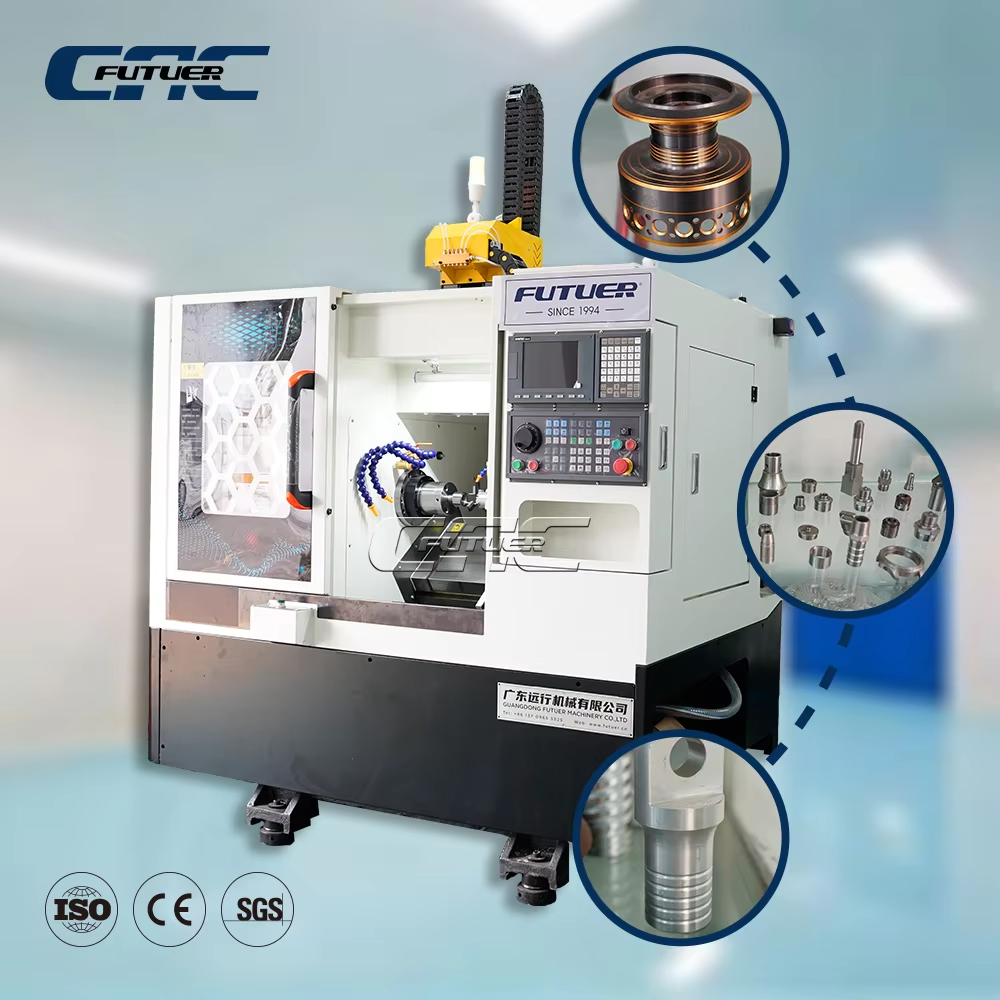
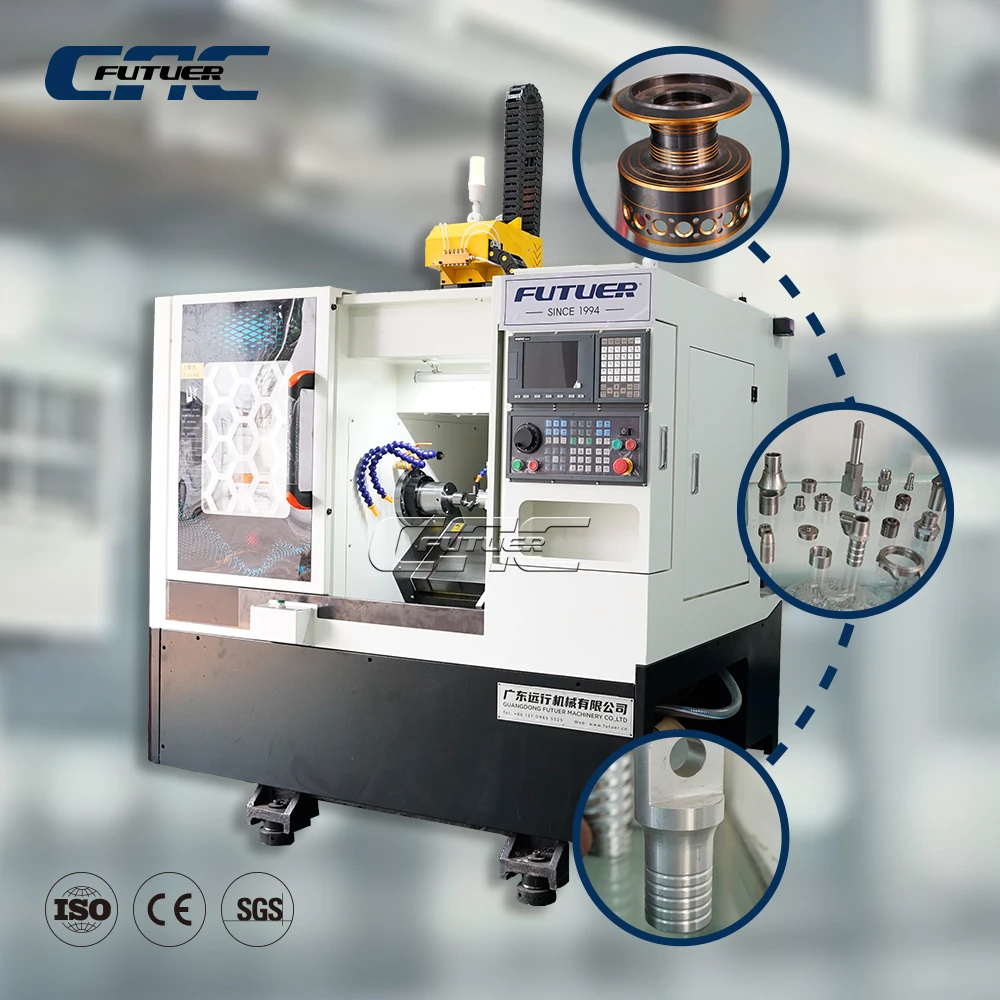
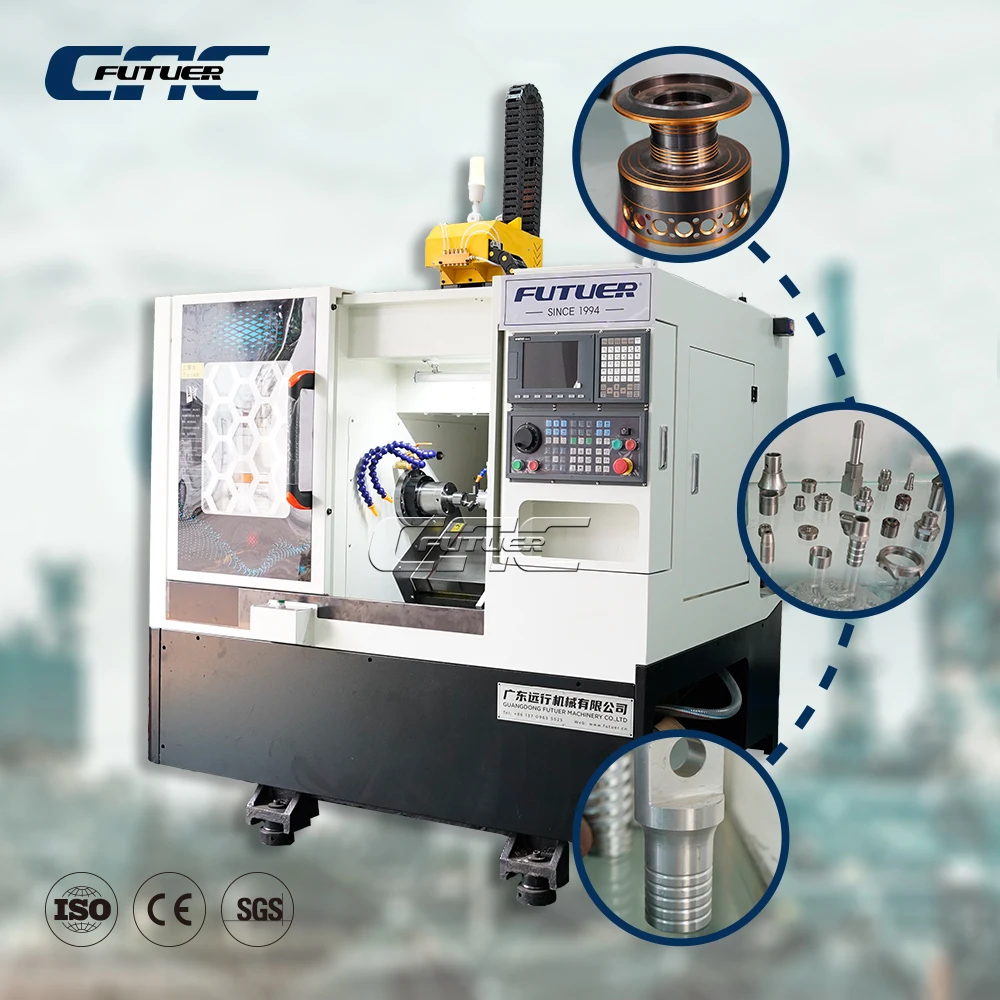
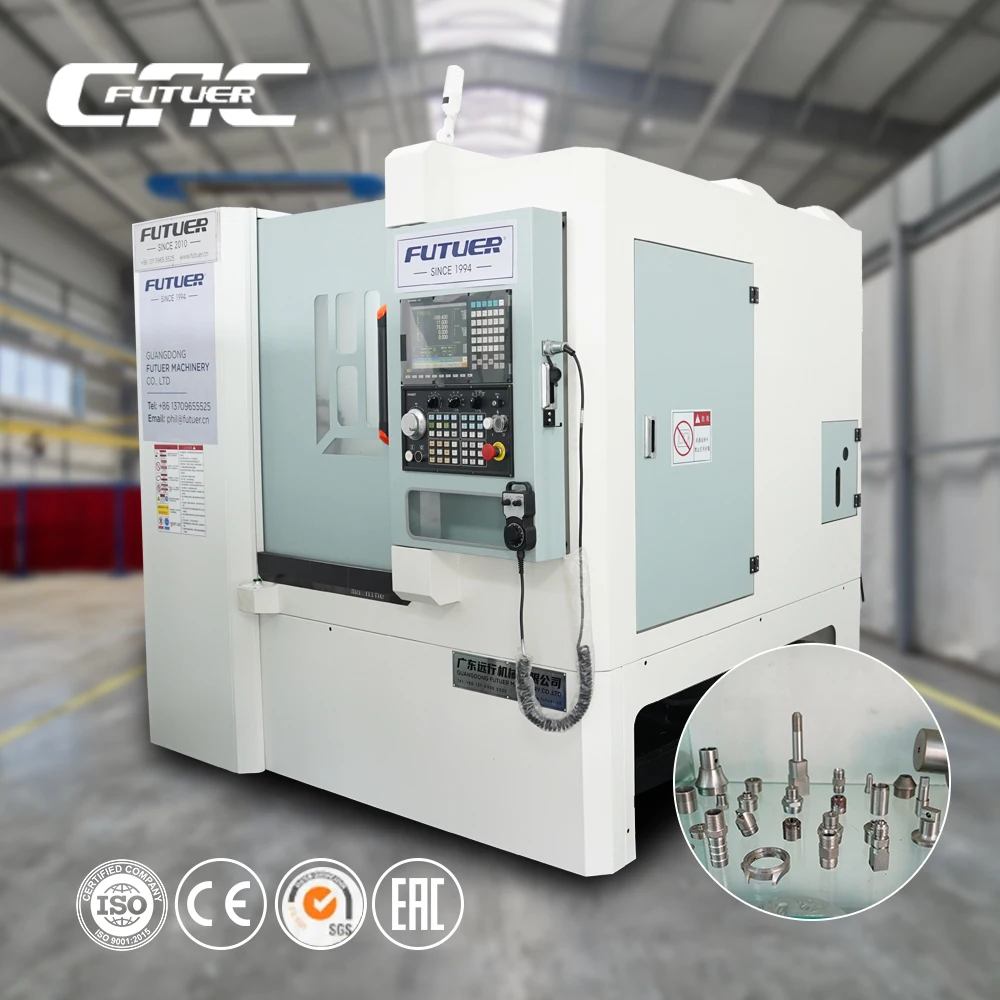
Maximize Output, Minimize Cycle Time: The Power of a Multi-Spindle Automatic Lathe
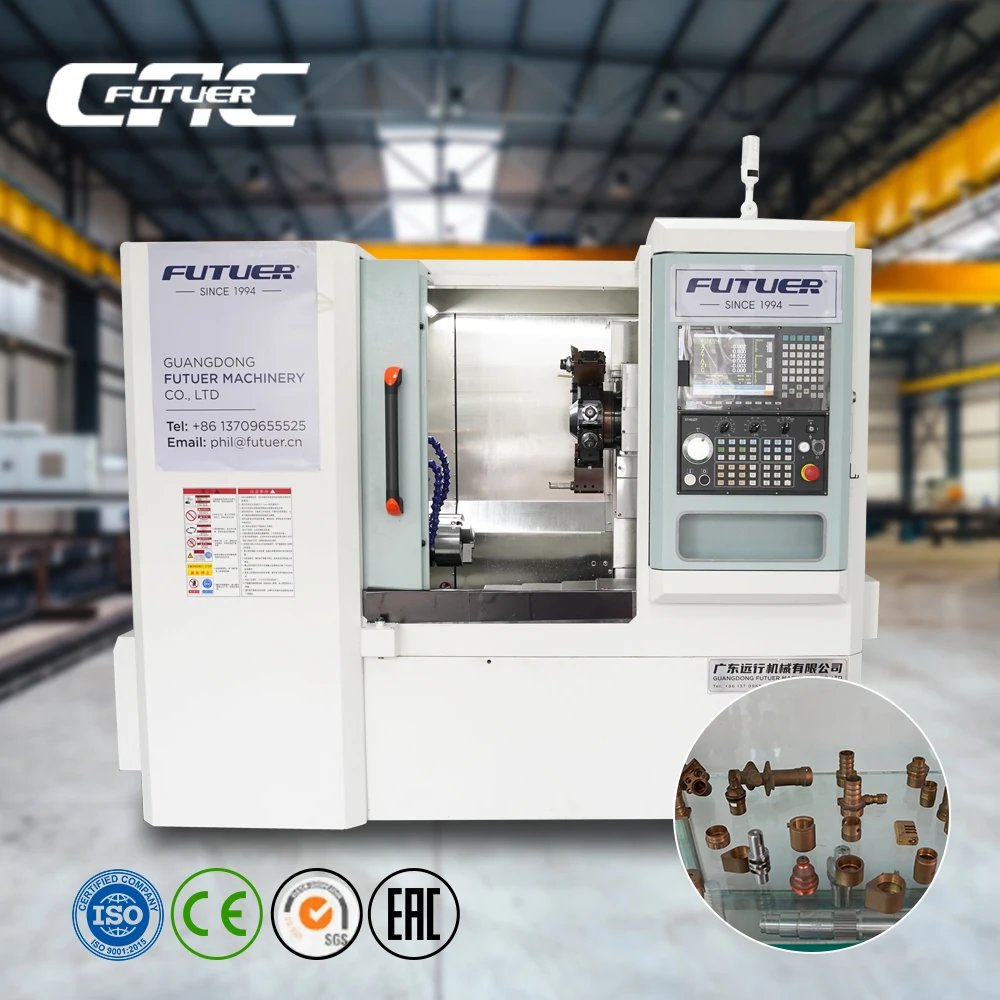
The primary significance of the multi-spindle automatic lathe lies in its revolutionary mass-production capability. Unlike single-spindle lathes, this machine features multiple spindles—typically four, six, or eight—that operate simultaneously. Each spindle performs a different machining operation on a separate workpiece within the same cycle. This parallel processing slashes cycle times per part to a fraction, enabling the production of vast quantities of small, precision components like screws, fittings, and shafts at a speed and cost-per-part that other technologies cannot match.
This technology is critically significant for its ability to consolidate an entire production line into a single, integrated system. A complex part that would normally require several separate machines for roughing, finishing, drilling, and threading can be completed from bar stock to finished product in one continuous, automated cycle. This "done-in-one" philosophy not only boosts throughput but also dramatically reduces factory floor space, labor costs, and work-in-progress inventory, leading to a vastly streamlined and more efficient manufacturing operation.
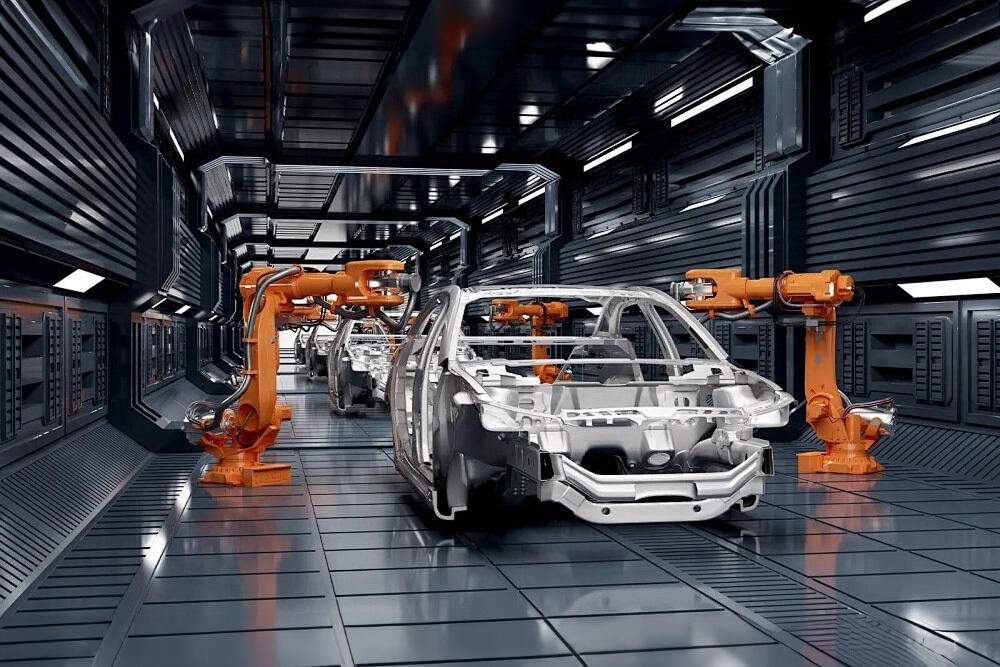
The strategic significance of investing in a multi-spindle automatic lathe is its direct impact on profitability and competitive advantage in high-volume markets. By delivering unparalleled output density and the lowest cost-per-part for suitable components, it creates a formidable barrier to competition. For manufacturers of automotive, plumbing, or electronic components, this machine is not just a piece of equipment but a production powerhouse that secures margins and enables dominant scalability in price-sensitive industries

 EN
EN