

Revolutionize Machining Performance with Slant Bed Design
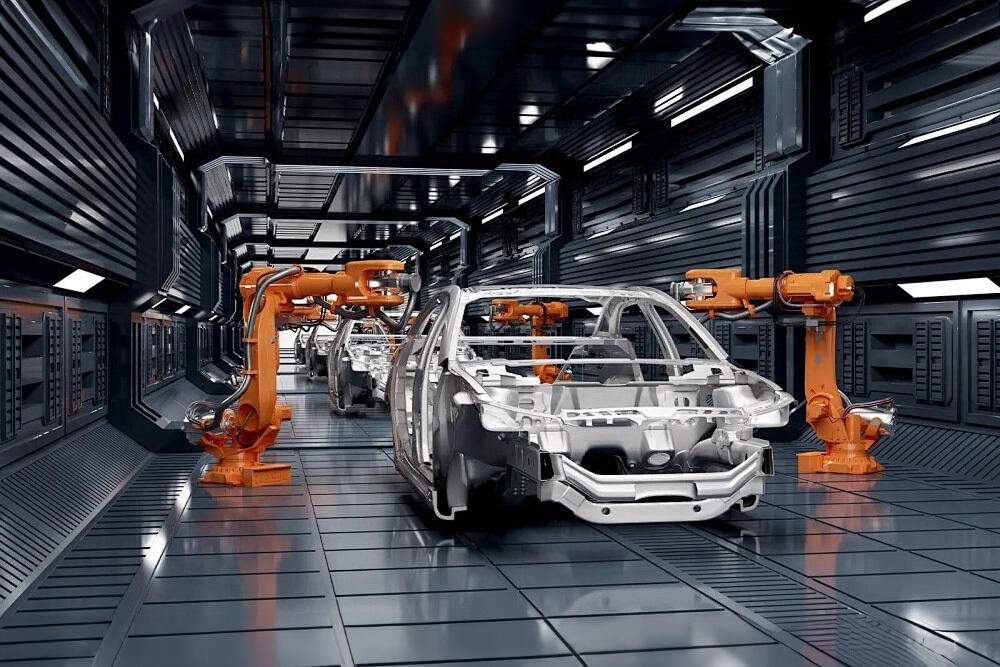
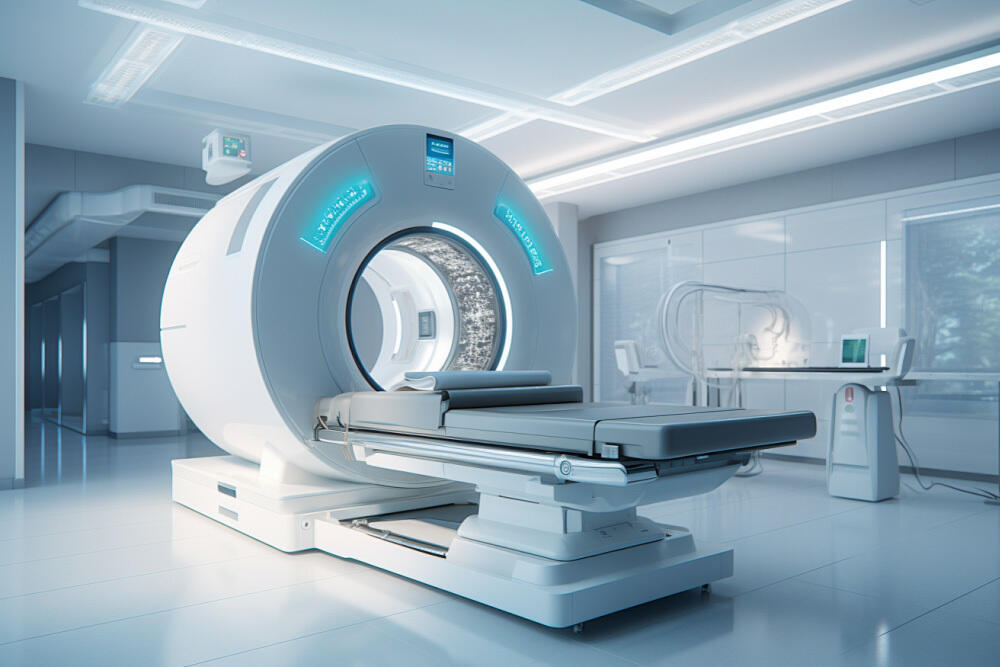
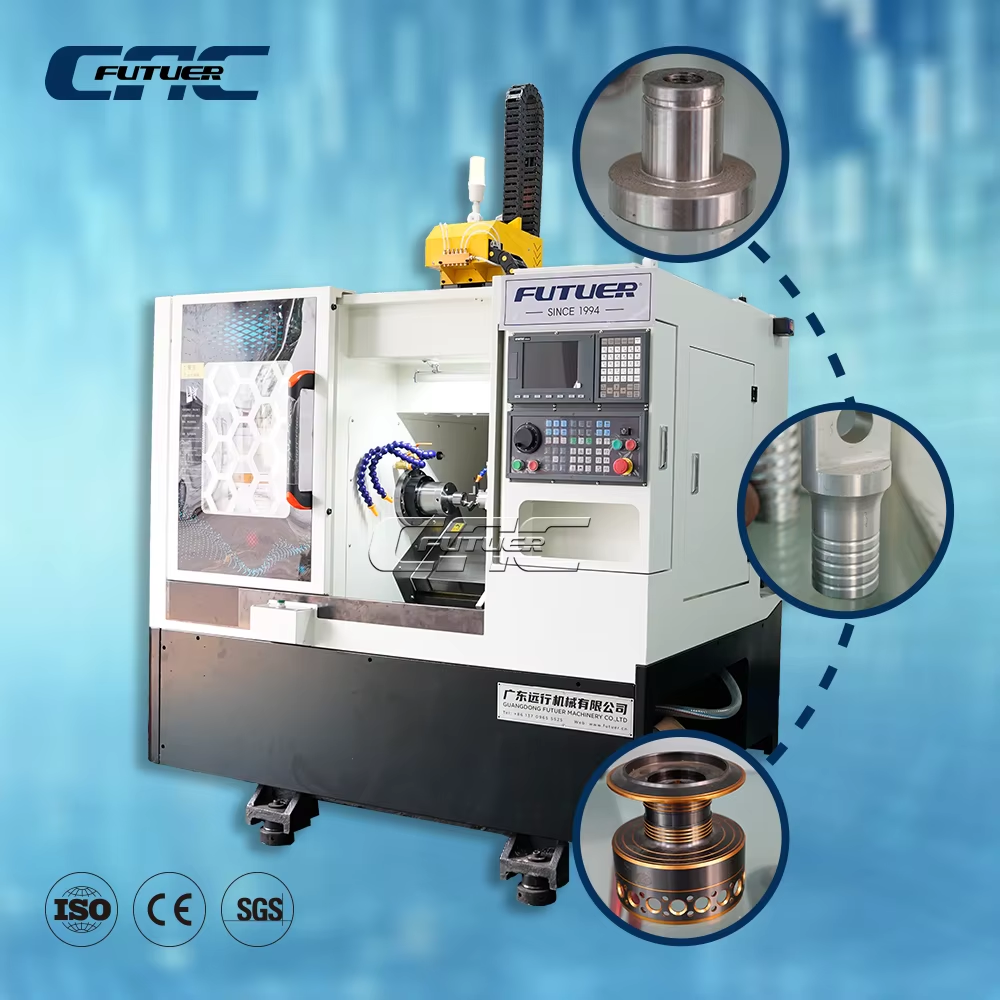
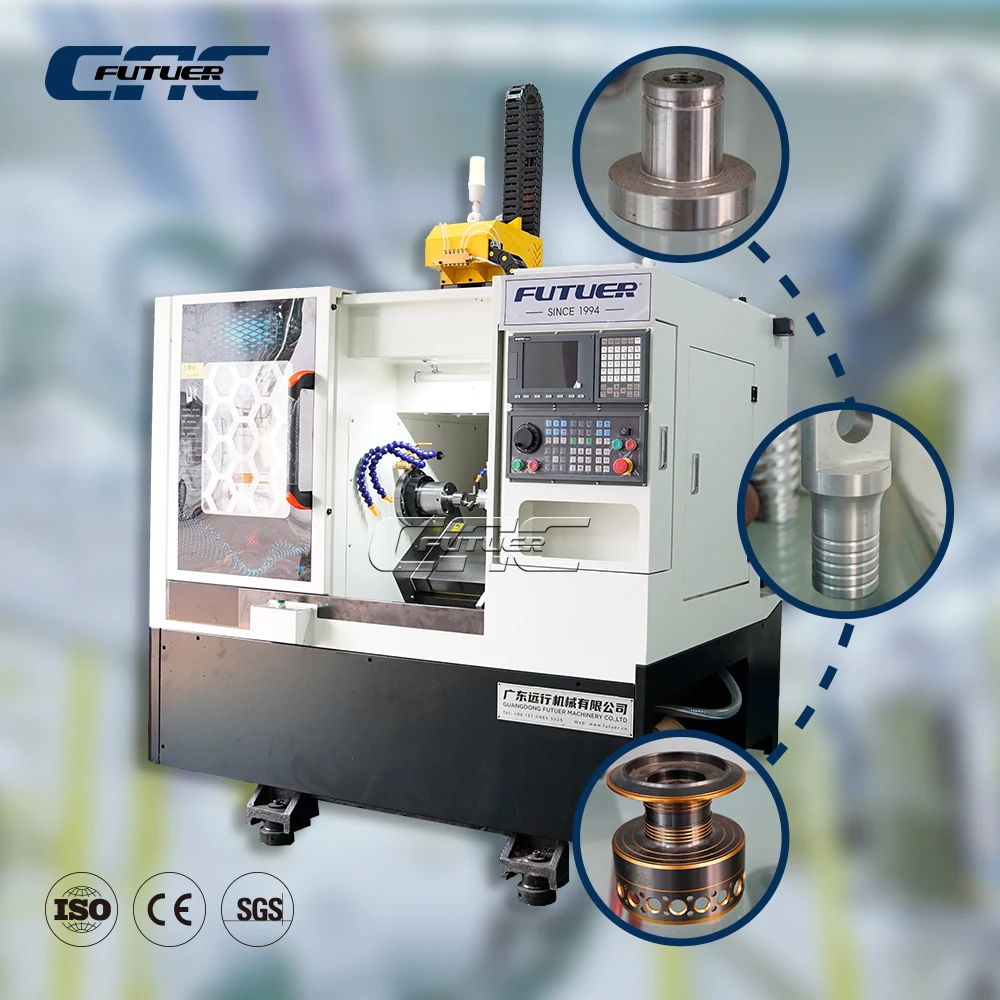
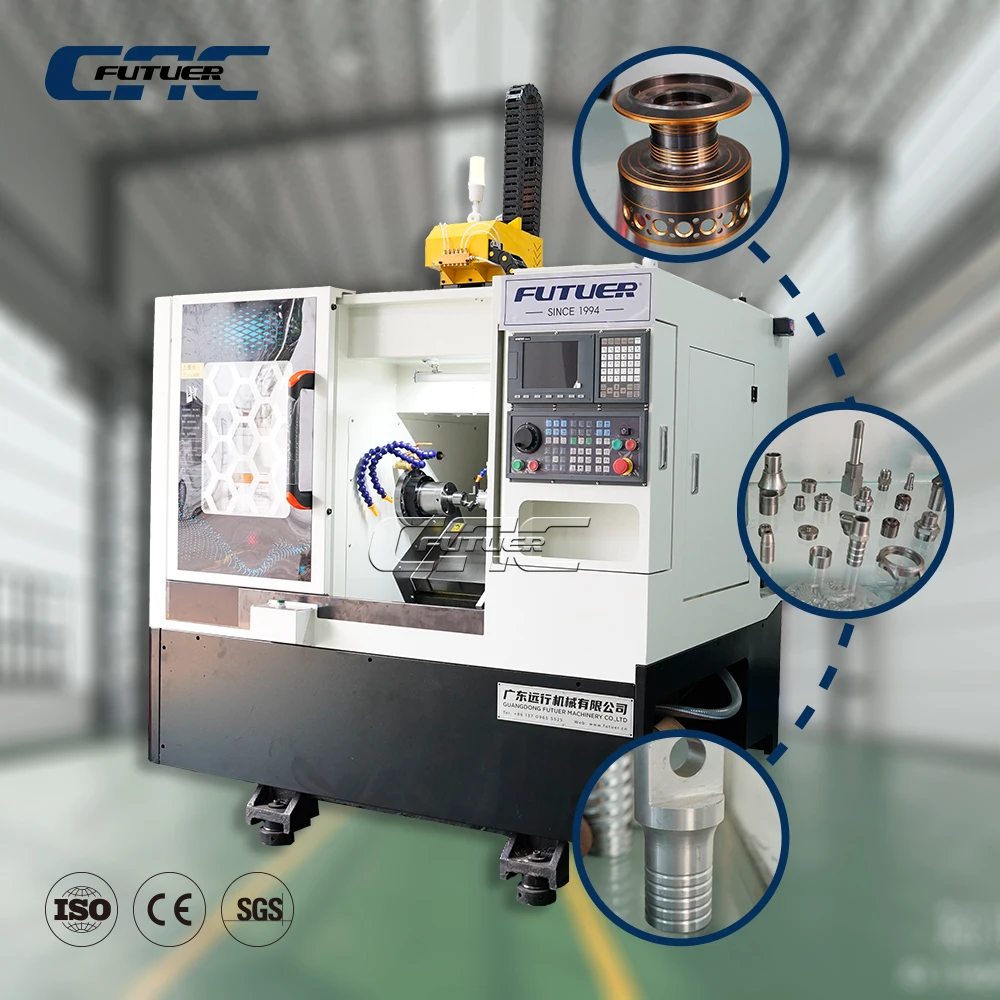
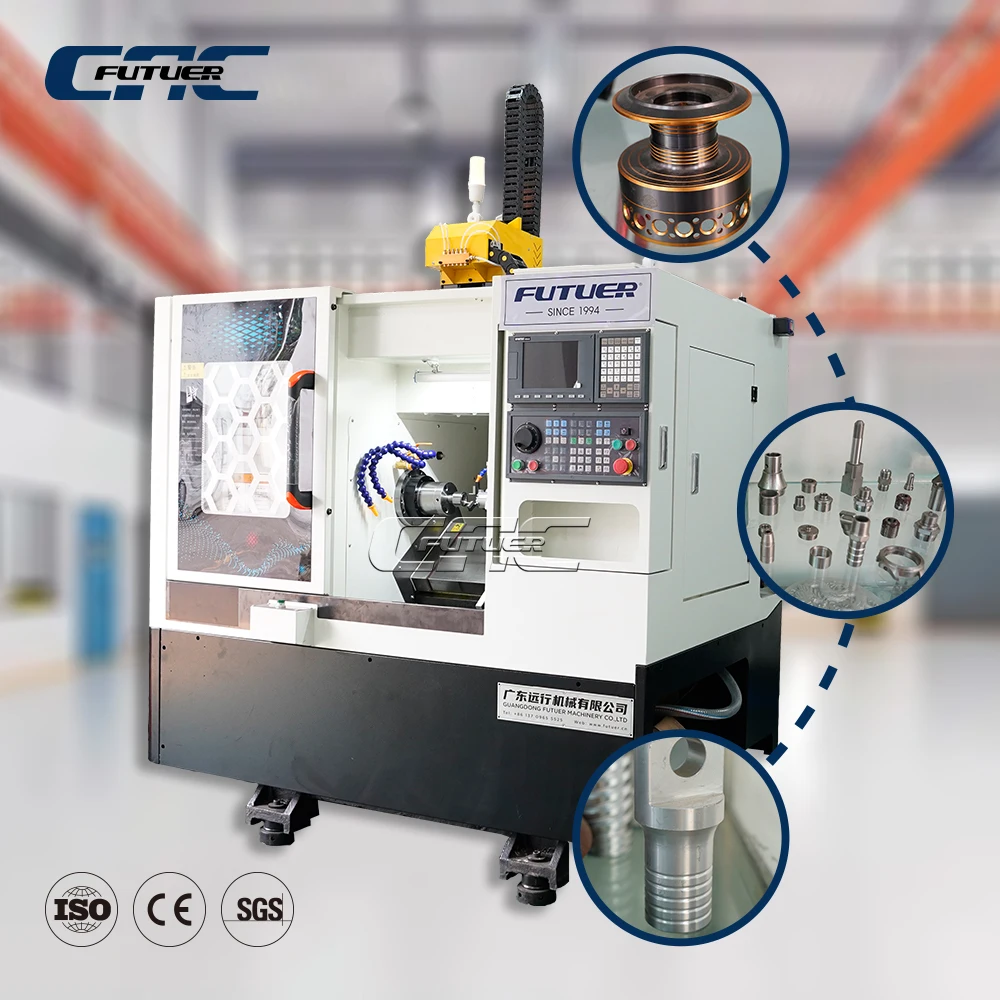
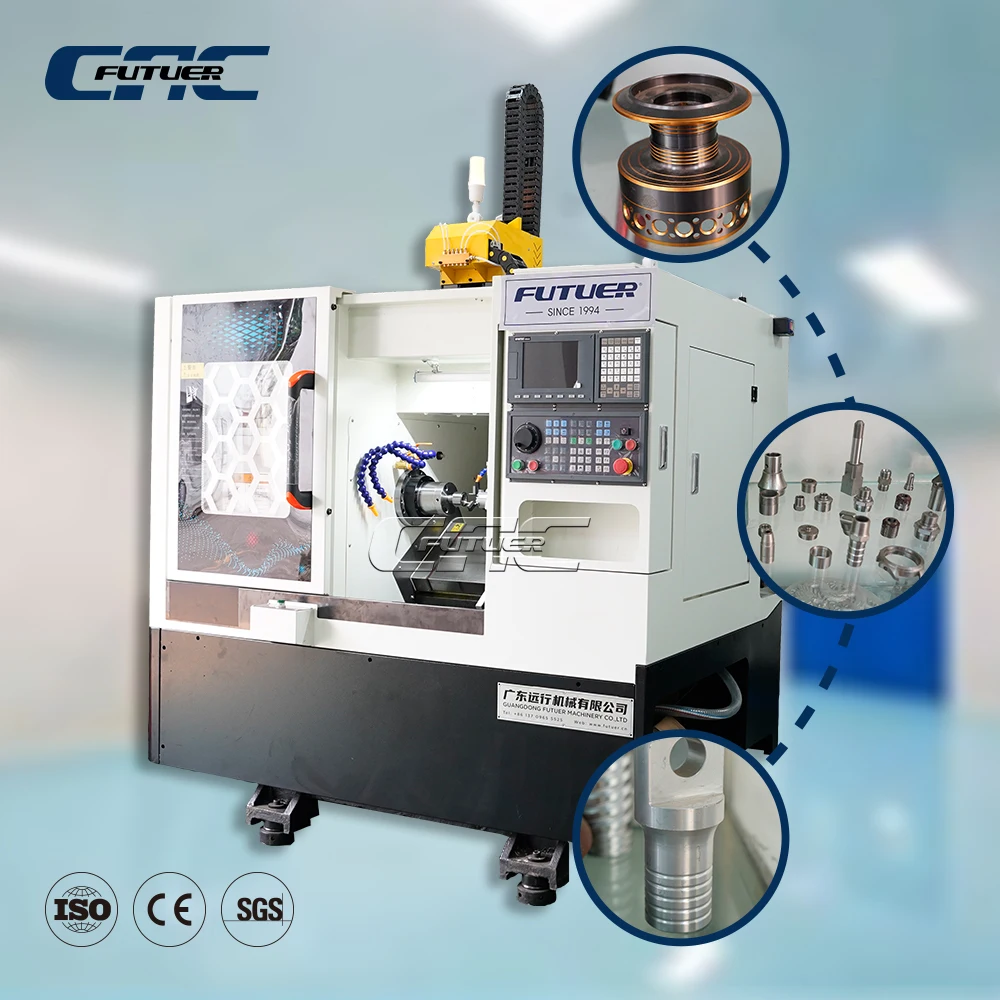
Slant bed design represents a fundamental engineering advancement in CNC machinery, delivering transformative benefits across precision manufacturing sectors. The characteristic 30 to 45-degree bed inclination provides superior structural rigidity by creating a triangular support system that minimizes vibration during heavy cutting operations. This configuration naturally directs chips and coolant away from the workpiece and cutting zone through gravity-assisted evacuation, preventing recutting and thermal distortion while enabling uninterrupted production cycles. These inherent advantages make slant bed architecture indispensable for high-speed machining of automotive transmission components, aerospace structural parts, and medical implants where micron-level accuracy and superior surface finishes are critical requirements.
The application prospects for slant bed design continue to expand as manufacturers embrace multi-tasking and complete-part machining strategies. The slanted configuration's inherent stability provides an ideal platform for integrating live tooling, multiple spindles, and robotic loading systems, enabling complex "done-in-one" operations that combine turning, milling, and drilling processes. This proves particularly valuable in producing intricate components like turbine blades with complex root forms, smart valves with integrated sensor ports, and robotics components requiring precise feature relationships. The design's compatibility with advanced automation systems allows manufacturers to achieve new levels of operational efficiency while maintaining the precision necessary for increasingly complex part geometries across aerospace, energy, and transportation sectors.
Looking toward manufacturing's future, slant bed design establishes the foundational architecture for next-generation smart factories and Industry 4.0 implementation. The configuration's natural compatibility with automated material handling systems and standardized mounting surfaces makes it ideally suited for lights-out manufacturing cells and flexible production systems. As digital twin technology and IoT connectivity become manufacturing standards, the slant bed's predictable thermal characteristics and vibration damping properties provide the stable physical platform necessary for implementing predictive maintenance and real-time process optimization. Manufacturers investing in slant bed technology are not merely acquiring machine tools—they're building a scalable, data-ready infrastructure capable of adapting to evolving production demands while maintaining competitive advantage through superior structural engineering.
Copyright © GUANGDONG FUTUER GROUP CO.LTD — Privacy Policy