Slant Bed vs Flatbed CNC Lathe: Choosing Your Competitive Advantage
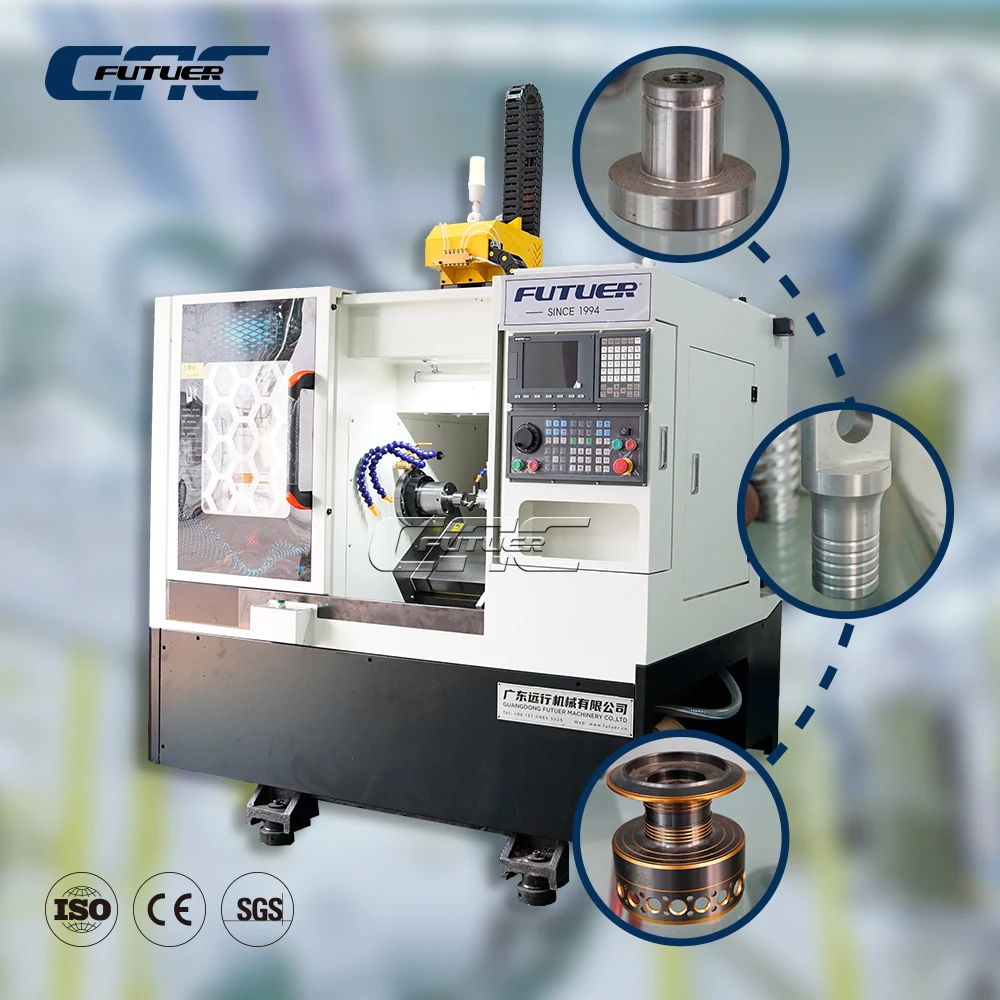
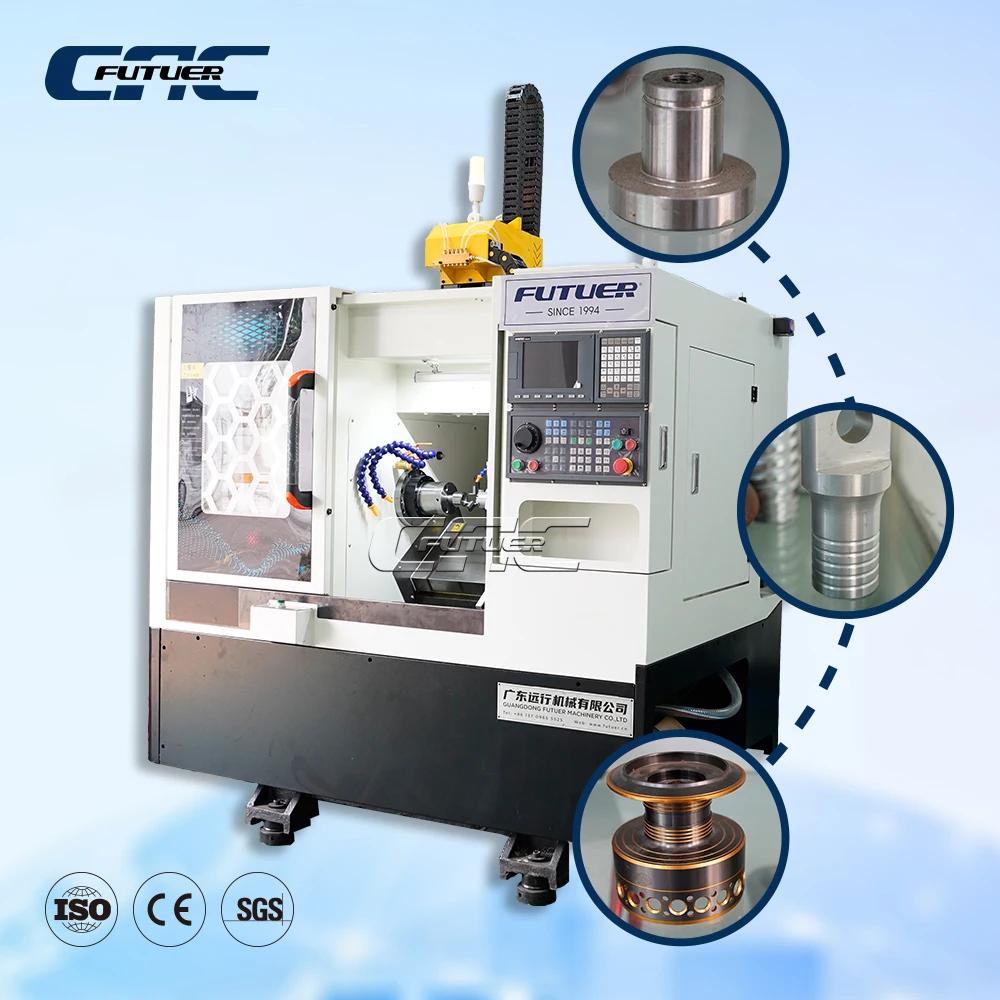
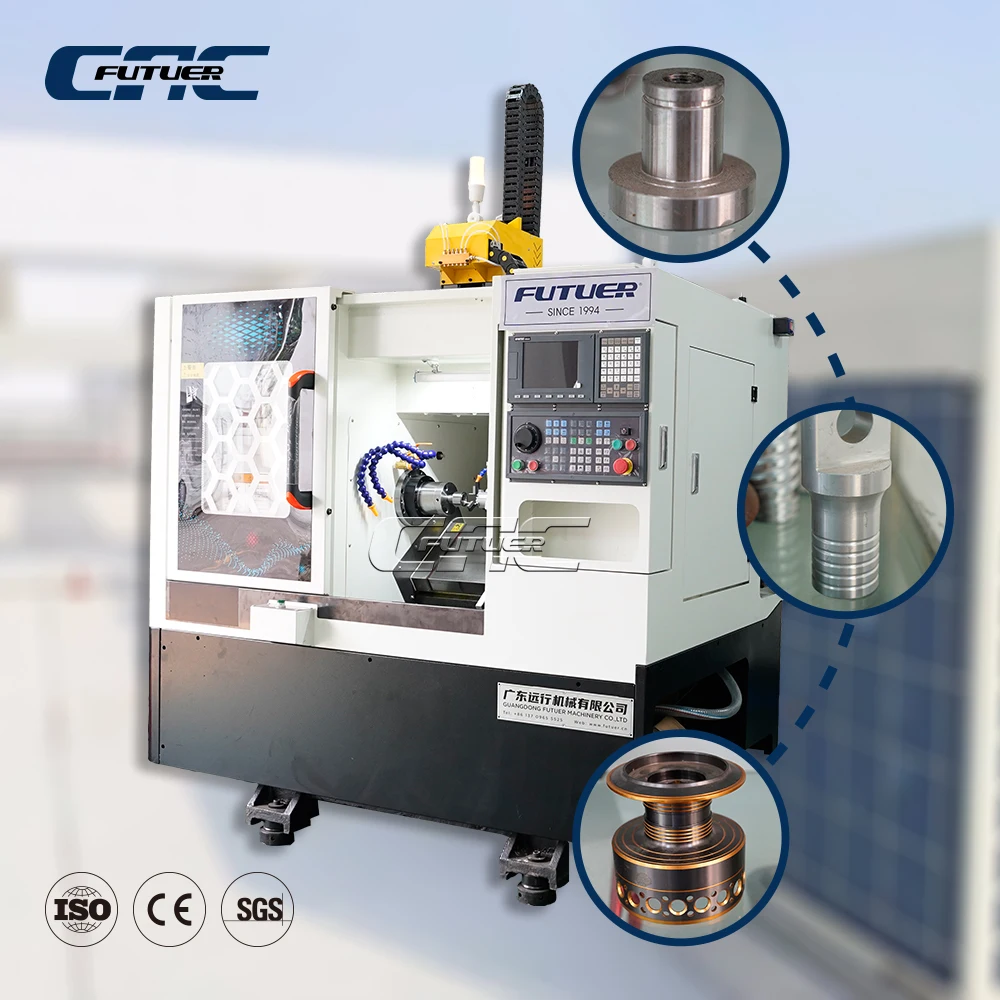
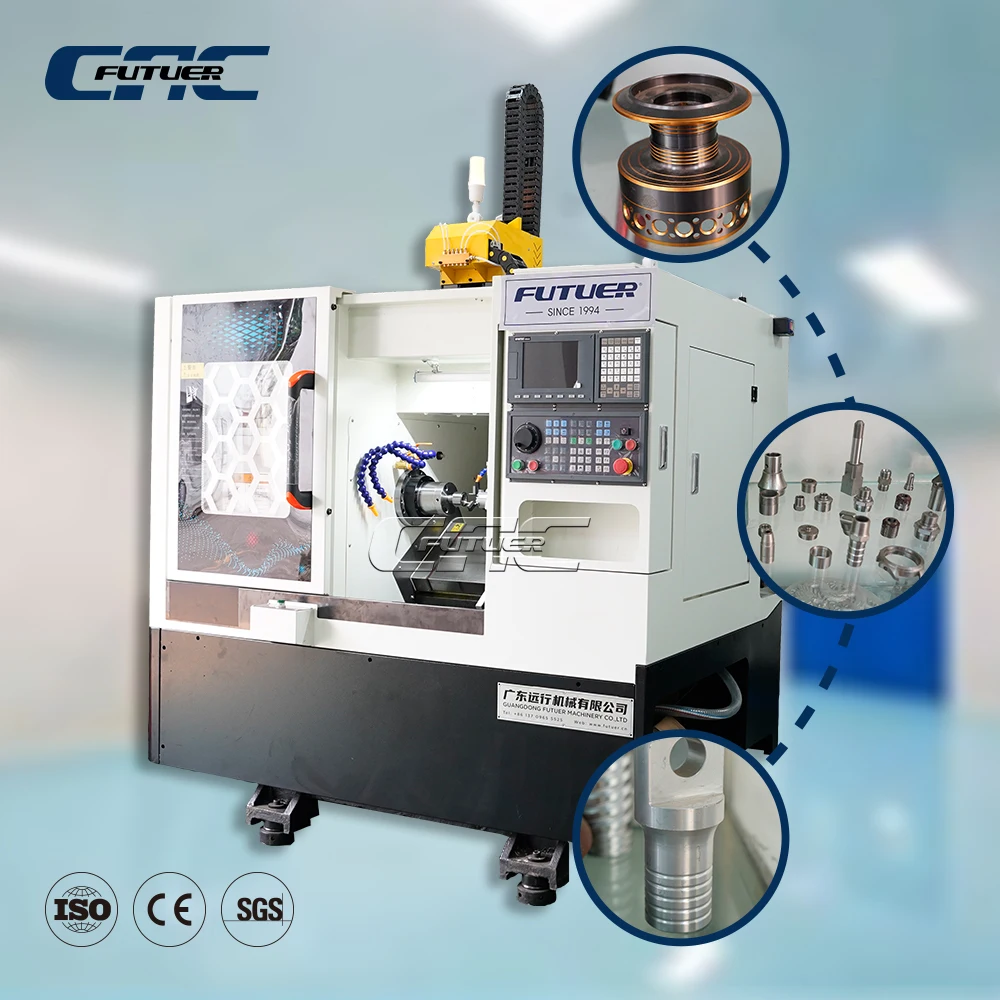
The fundamental difference between slant bed and flatbed CNC lathes lies in their structural design and its direct impact on performance. Slant bed lathes, with their angled bed (typically 30-45 degrees), provide superior rigidity and stability, allowing for heavier cuts with minimal vibration. This design enables effortless chip evacuation as gravity pulls debris away from the workpiece and cutting zone, reducing downtime and preventing surface finish contamination. In contrast, flatbed lathes feature a horizontal bed that can allow chips to accumulate around the workpiece, potentially requiring manual clearing and limiting uninterrupted operation. The slant bed's configuration also offers enhanced ergonomics, positioning the workpiece closer to the operator for easier monitoring and tool changes.
When evaluating application prospects, slant bed CNC lathes excel in high-volume production environments requiring tight tolerances and superior surface finishes. Their robust construction makes them ideal for continuous operation in automotive, aerospace, and medical component manufacturing, where precision parts like transmission shafts, hydraulic cylinders, and surgical instruments demand consistent accuracy. Flatbed lathes, while generally more affordable, typically serve better in lower-volume applications, maintenance shops, and training environments where maximum rigidity and automated chip management are less critical. Their simpler design can be advantageous for basic turning operations and environments with budget constraints.
The strategic choice between these configurations significantly impacts long-term manufacturing capabilities and automation readiness. Slant bed lathes are inherently designed for the modern smart factory, with their efficient layout easily accommodating robotic part loaders, bar feeders, and pallet systems for lights-out production. Their compatibility with Industry 4.0 initiatives makes them a forward-looking investment for businesses scaling toward automated manufacturing. Flatbed lathes, while less suited for full automation, provide cost-effective solutions for job shops requiring flexibility with simpler workpieces. Understanding these distinctions ensures manufacturers select the platform that aligns with both immediate production needs and future growth strategies.

 EN
EN