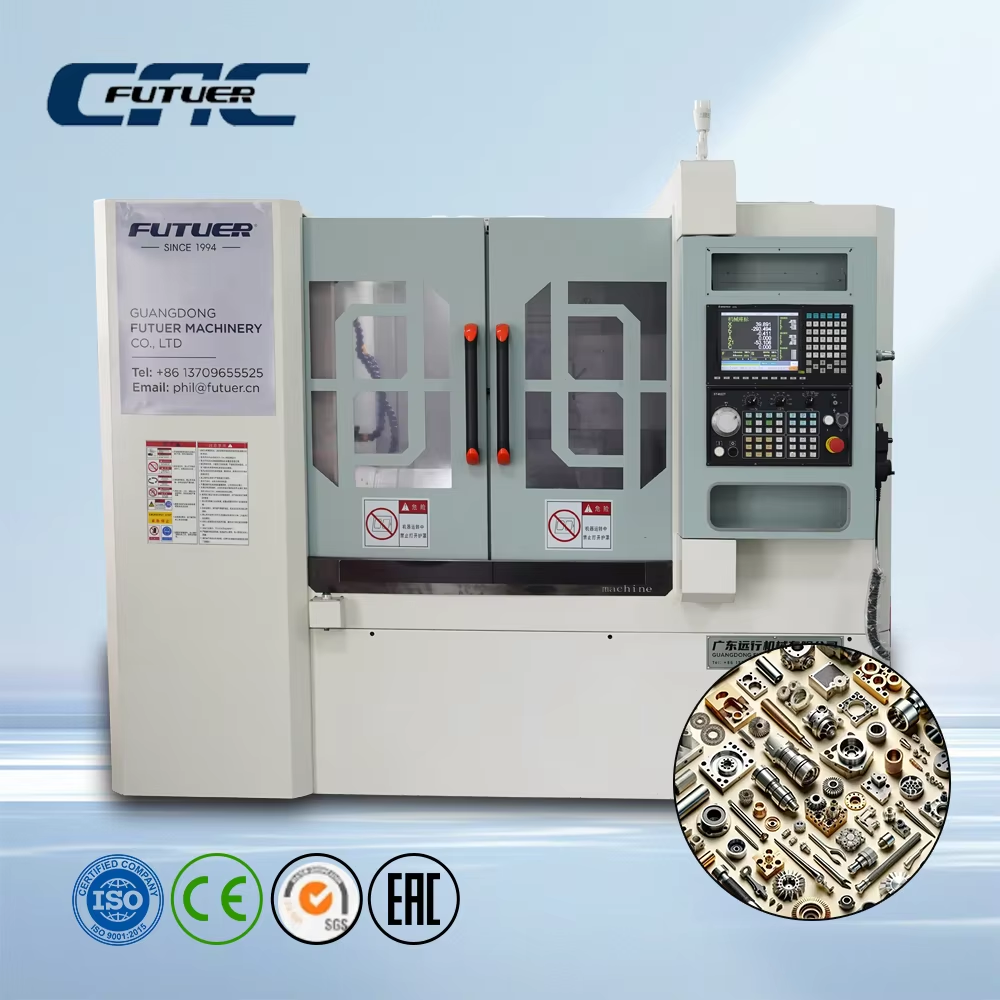
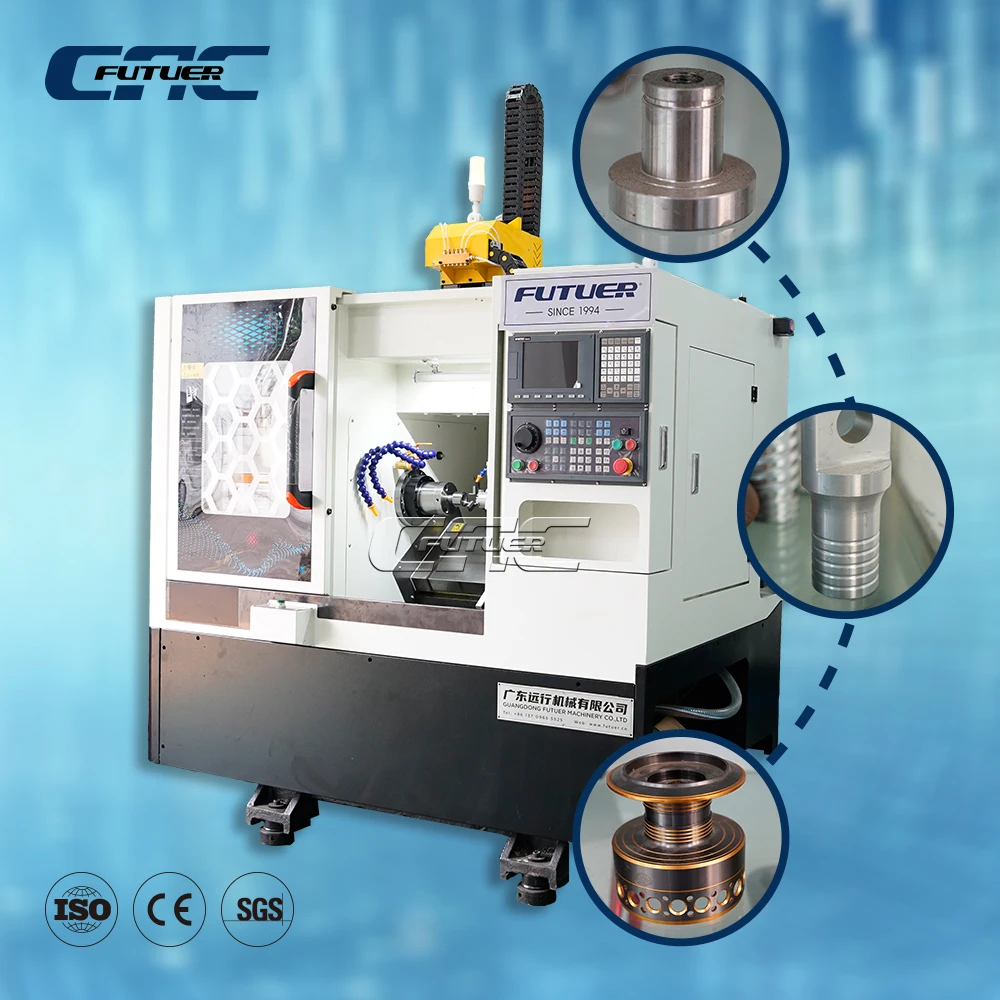
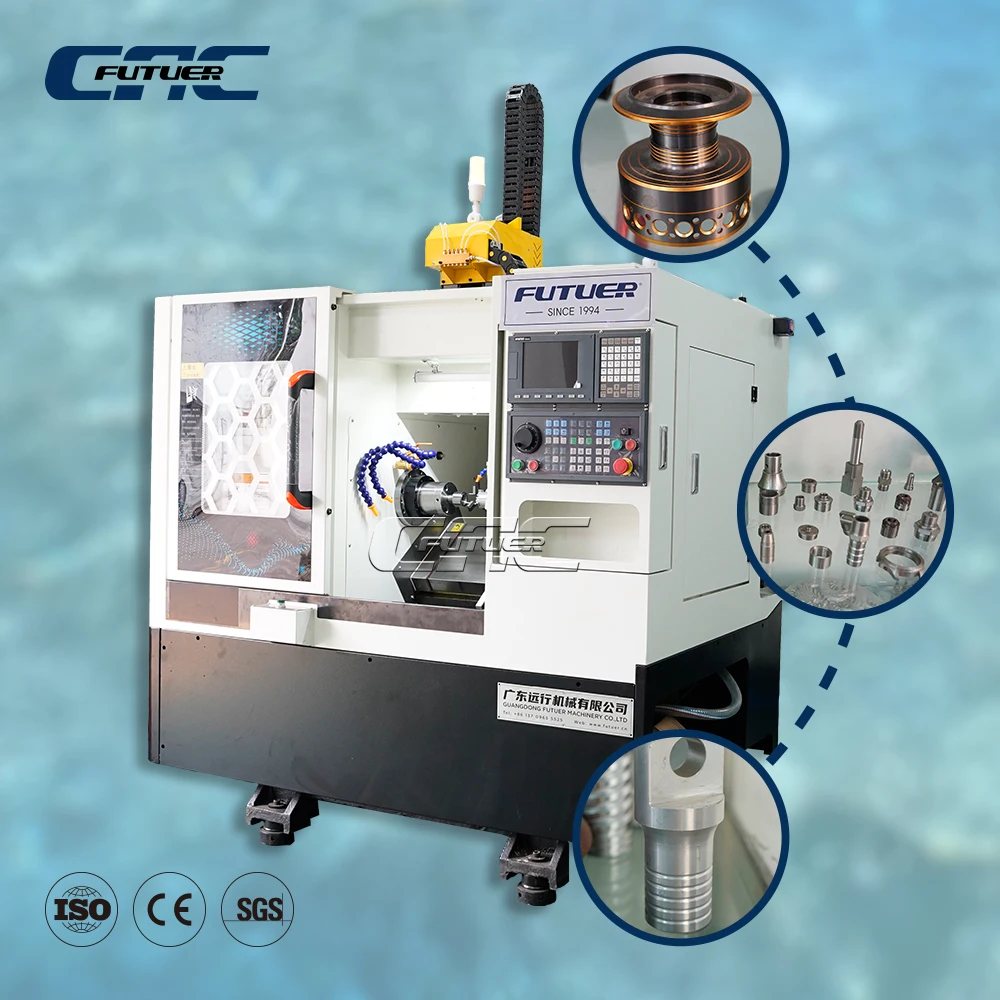
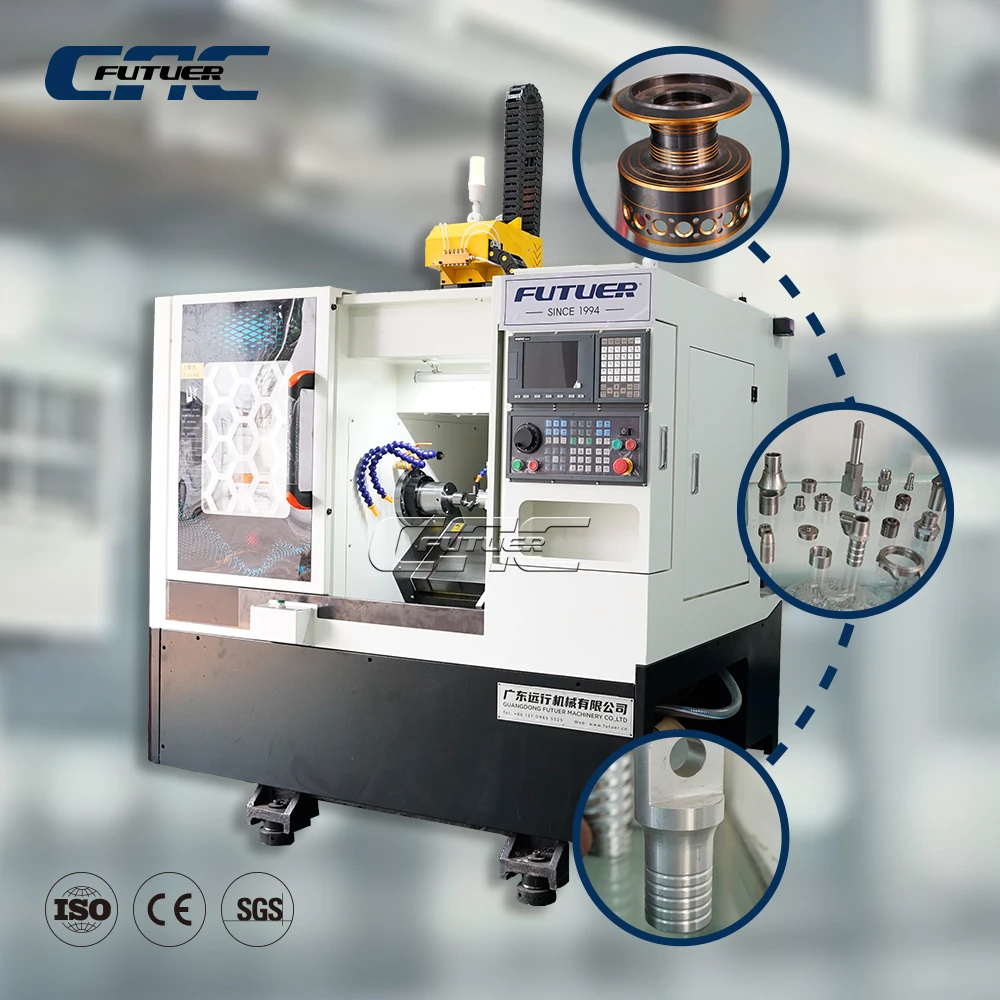
Swiss Lathe: Mastering Micro-Precision for Complex, High-Volume Parts
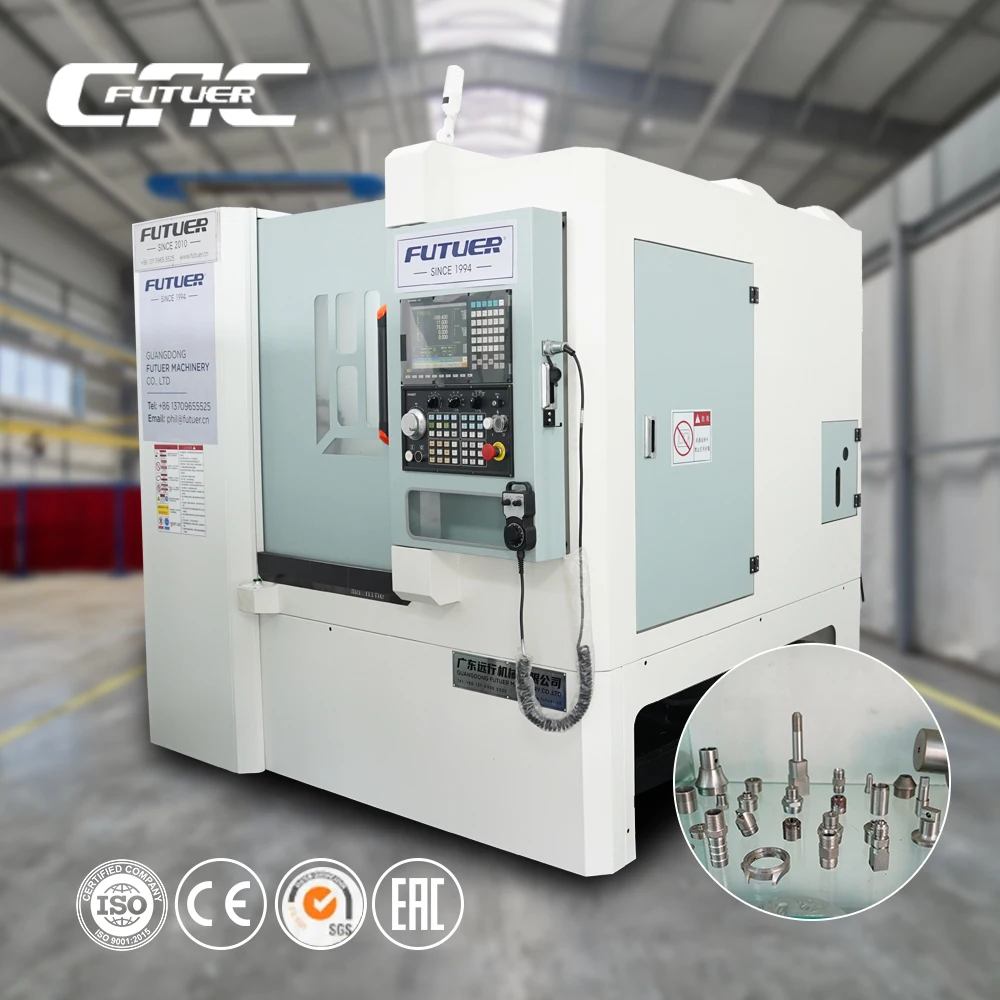
The premier application of the Swiss lathe is in the medical and electronics industries, where microscopic precision and flawless repeatability are non-negotiable. Its unique guide bushing system provides unrivaled support for slender bar stock, enabling the production of intricate, small-diameter components like surgical bone screws, catheter guides, dental implants, and connector pins for micro-electronics. This capability ensures that every part, often manufactured in batches of thousands, meets critical tolerances and surface finish requirements essential for life-saving devices and reliable consumer electronics.
Beyond these fields, Swiss lathes are indispensable in aerospace, defense, and automotive engineering for creating complex, high-reliability components. The technology excels at machining parts with sophisticated geometries—such as multi-diameter shafts, intricate internal and external threads, and precisely positioned off-center cross-holes—from challenging materials like titanium and inconel. This makes it the go-to process for manufacturing fuel system components, sensor housings, firing mechanisms, and other mission-critical parts where failure is not an option, even in the most demanding environments.
Finally, the modern Swiss lathe is a cornerstone of profitable, high-volume manufacturing. The integration of twin spindles, live tooling, and automatic bar feeders allows for complete machining of a part in a single, continuous cycle, drastically reducing cycle times and labor costs. This "done-in-one" philosophy, often integrated with robotics for lights-out production, transforms the Swiss lathe from a mere machine tool into a strategic asset for achieving unparalleled scalability, efficiency, and a competitive edge in the global market for precision components.

 EN
EN