The Foundation of Precision Turning: Key Application Prospects for the Turn Lathe
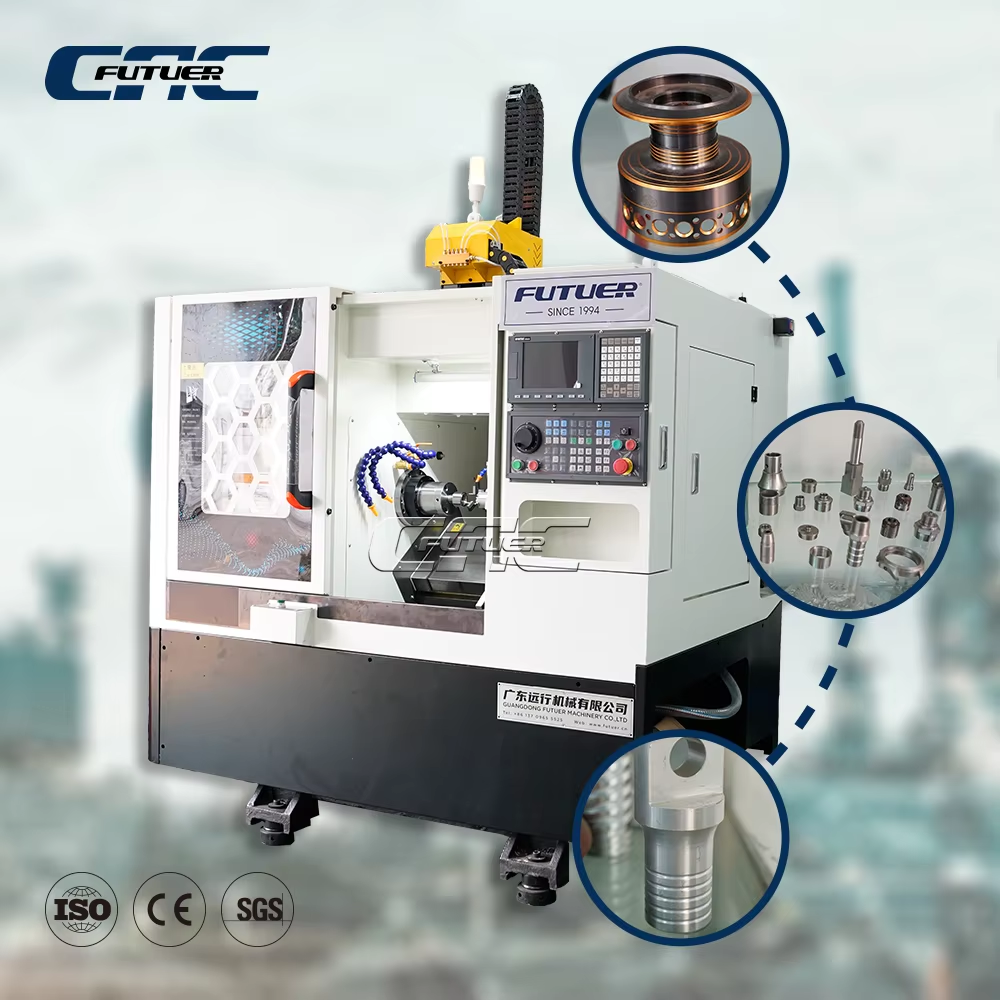
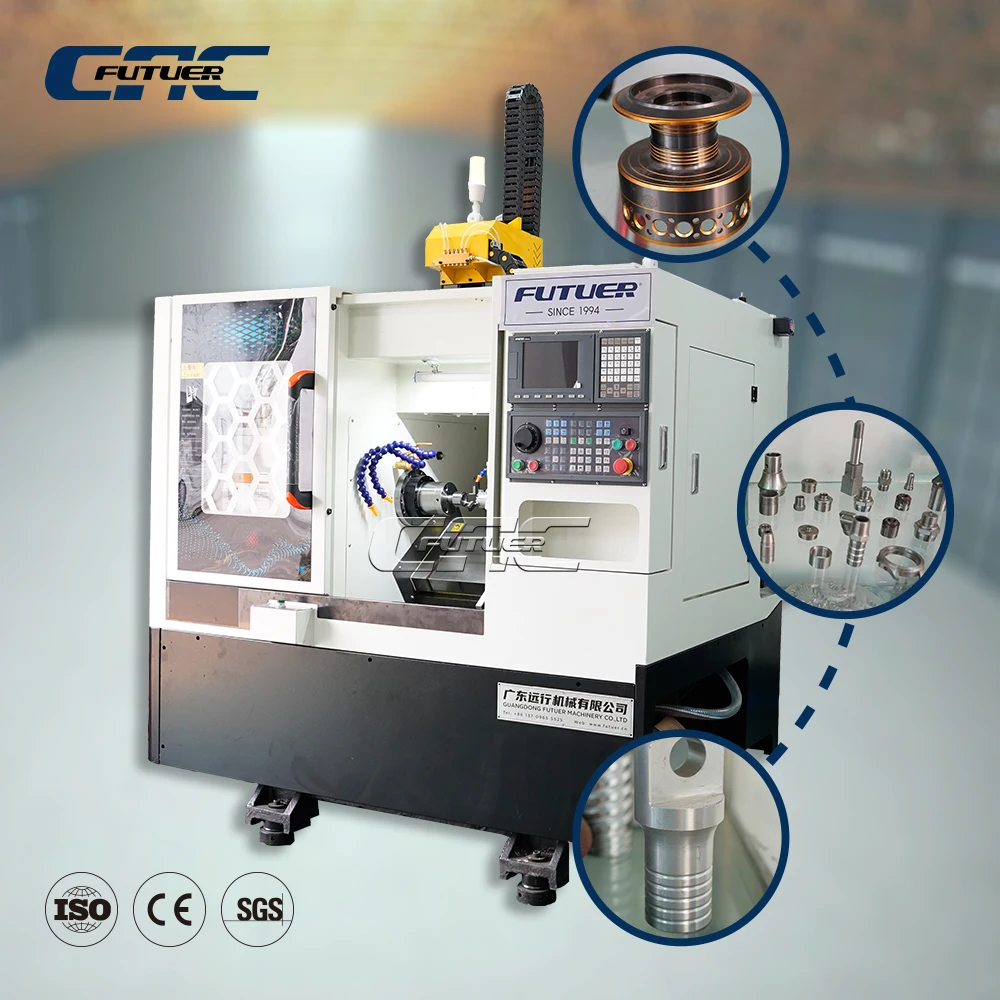
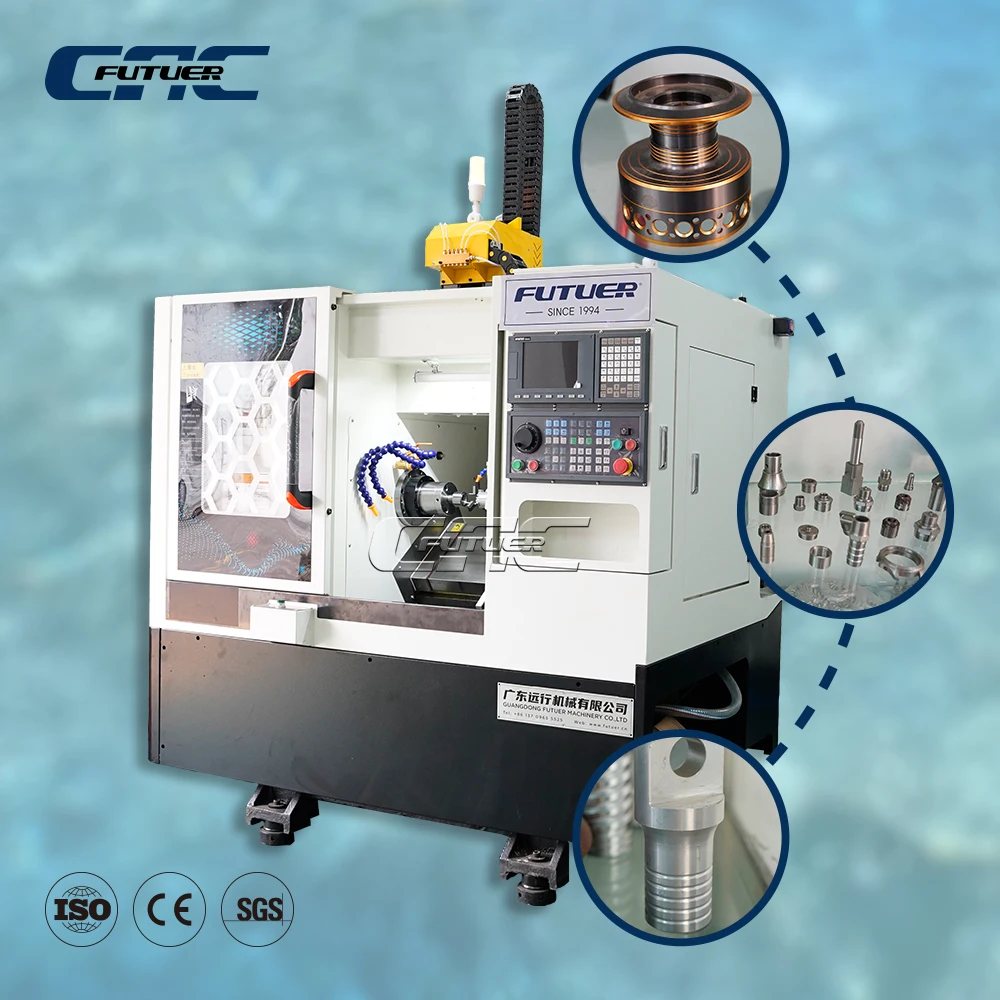
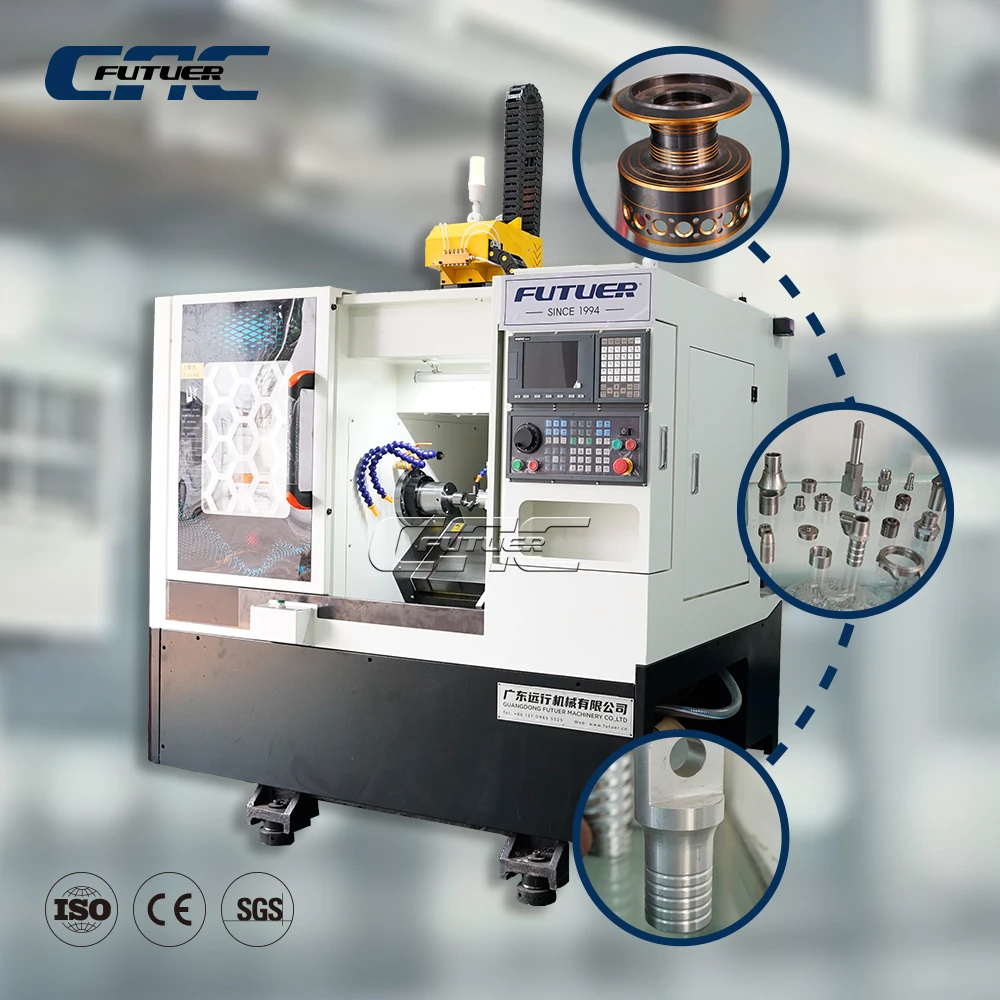
The turn lathe remains an essential tool for fundamental machining operations, serving as the cornerstone for prototyping, maintenance, and small-batch production. Its primary application lies in creating and refining cylindrical parts through core processes like facing, turning, tapering, and threading. From manufacturing simple shafts, bushings, and pins to repairing engine components and industrial rollers, the turn lathe provides the hands-on control and versatility needed in job shops, vocational schools, and maintenance facilities where flexibility and operator skill are paramount.
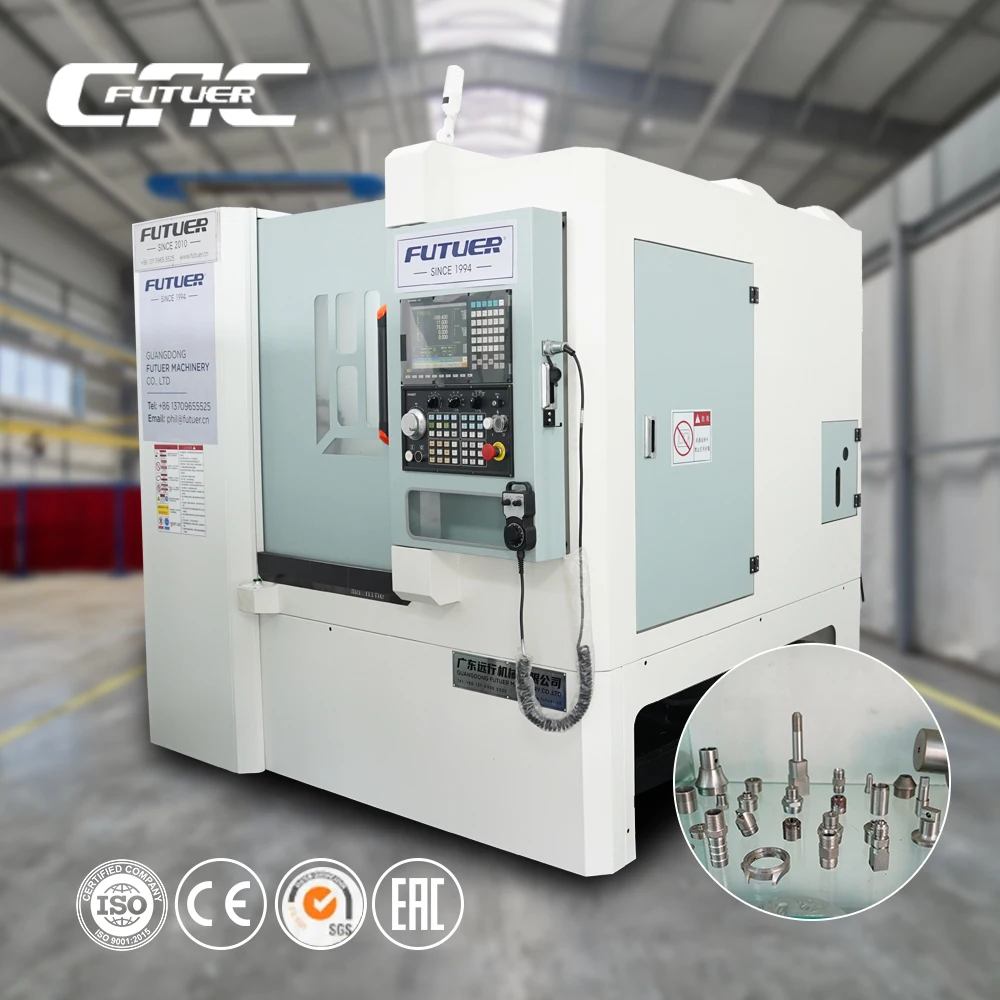
While manual models are invaluable for bespoke projects, modern CNC turn lathes significantly expand application prospects into efficient, repeatable production. These systems automate the machining of more complex geometries and ensure consistent quality across larger batches of parts. This capability is crucial for producing precision components for agricultural equipment, custom fasteners, and hydraulic system parts with improved accuracy and reduced cycle times. The adaptability of the turn lathe makes it suitable for both one-off custom jobs and sustained production runs, bridging the gap between traditional craftsmanship and modern manufacturing demands.
The enduring relevance of the turn lathe is secured by its role in supporting specialized industries and educational training. It is indispensable in fields like heavy machinery repair, where large, worn components must be re-machined on-site, and in artistic metalworking for creating custom designs. Furthermore, as a training tool, it builds foundational skills for the next generation of machinists. With the rise of hybrid workshops that value both manual control and digital integration, the turn lathe continues to offer a practical, cost-effective solution for a wide spectrum of turning needs.

 EN
EN