Types of CNC Lathes: Matching Technology to Your Manufacturing Needs
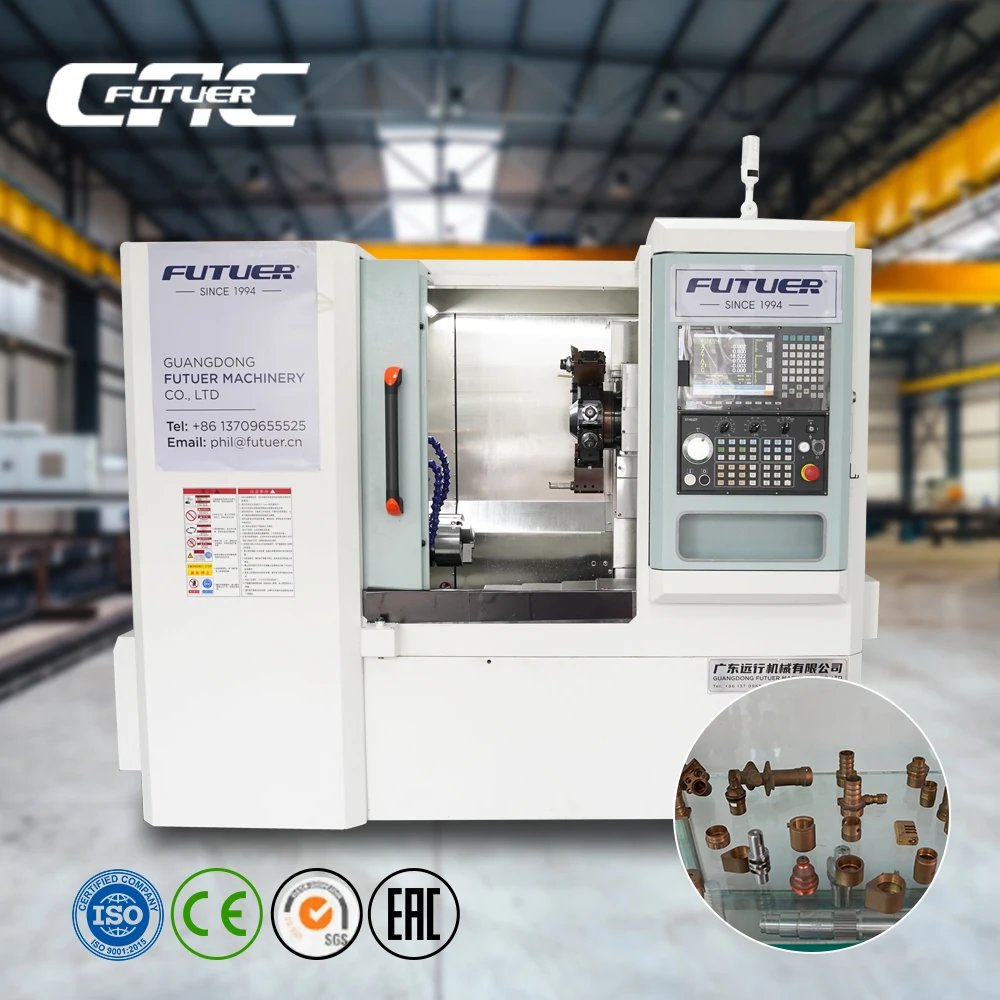
Understanding the different types of CNC lathes is critical for selecting the right technology to optimize production efficiency and capability. The fundamental categories, such as horizontal, vertical, Swiss-type, and multi-tasking lathes, each address specific part geometries and production volumes. For instance, horizontal lathes excel with long, heavy shafts, while vertical lathes are ideal for large-diameter, heavy workpieces. This knowledge allows manufacturers to make a strategic investment that directly impacts cycle times, part quality, and overall operational cost, ensuring the machine is a perfect fit for the intended application.
The significance of this classification extends to mastering complex and high-value production across industries like aerospace, medical, and automotive. Multi-tasking lathes with dual spindles and live tooling can complete a part in a single setup, while Swiss-type lathes are unparalleled for long, slender, and intricate components. Choosing the correct type of CNC lathe is what enables the "done-in-one" manufacturing philosophy, which minimizes human error, reduces secondary operations, and guarantees the extreme precision required for sophisticated parts like surgical implants or turbine blades.
Ultimately, navigating the types of CNC lathes is not just about a purchase—it's about future-proofing a manufacturing business. The choice between a basic 2-axis machine and an advanced multi-axis turning center dictates the complexity of work a shop can undertake and its readiness for automation. In the era of Industry 4.0, selecting a lathe type with connectivity for lights-out production and data analytics is a decisive step toward building a resilient, competitive, and highly efficient manufacturing operation capable of adapting to evolving market demands.

 EN
EN