
 EN
EN
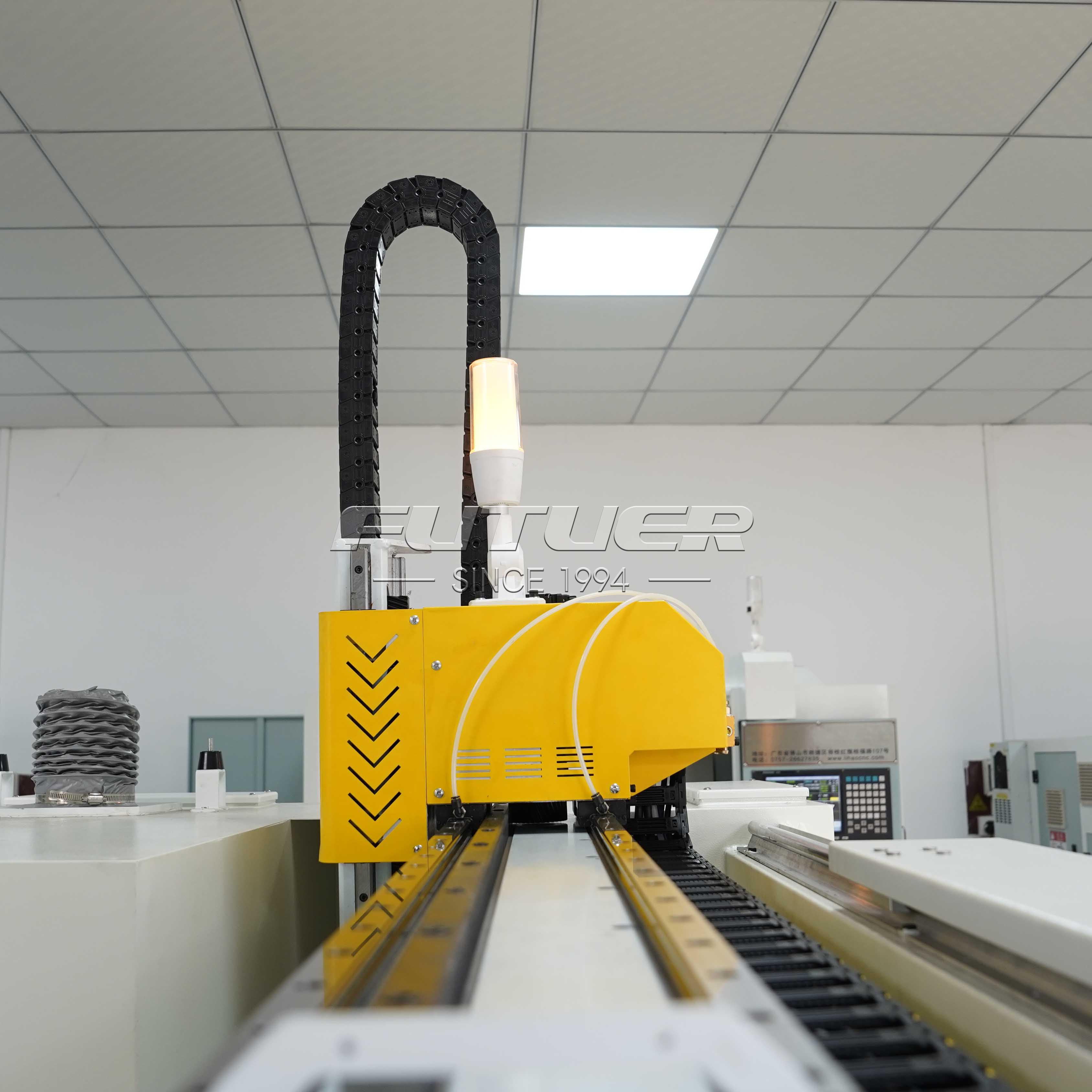
Zalety konstrukcyjne tokarek CNC z pochyłym łożem pod kątem zapewniające sztywność i skuteczną obsługę wiórków
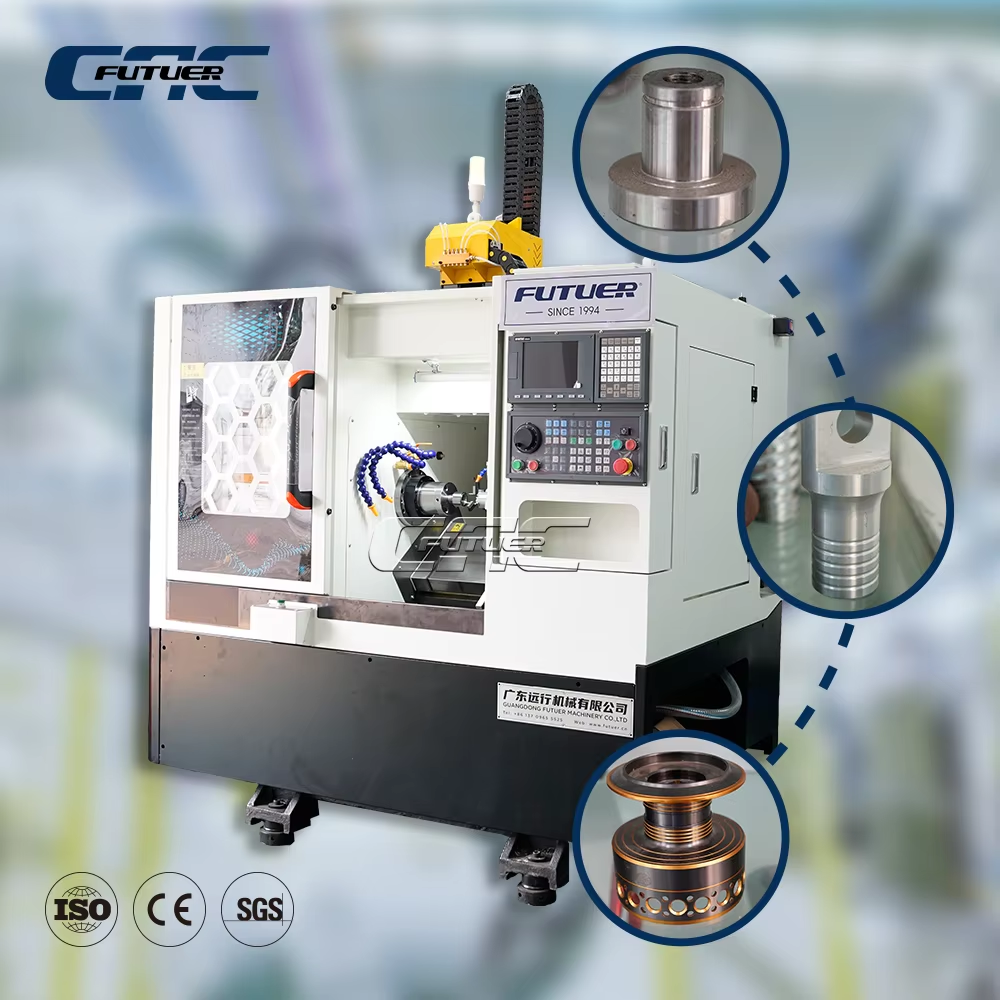
The tokarka CNC z pochyloną podstawą projekt ten zasadniczo poprawia dokładność obróbki dzięki zoptymalizowanej mechanice konstrukcyjnej. Poprzez nachylenie łoża zwykle w zakresie od 30° do 60° producenci osiągają wyższą sztywność – czynnik kluczowy przy operacjach wymagających wysokiej dokładności. Nachylenie o kącie 45° zapewnia optymalny kompromis między tłumieniem drgań a efektywnym wykorzystaniem powierzchni podłogi, podczas gdy większe kąty (60°) maksymalizują stabilność grawitacyjną podczas ciężkich cięć. Badania przemysłowe potwierdzają, że konfiguracje z pochyłym łożem zmniejszają ugięcie o 40% w porównaniu do łoża płaskiego przy identycznych obciążeniach, co bezpośrednio poprawia jakość powierzchni i wydłuża żywotność narzędzi.
Wybór kąta nachylenia łoża (30°, 45°, 60°) oraz jego wpływ na stabilność maszyny
Wybór kąta nachylenia łoża ma bezpośredni wpływ na dokładność obróbki i przydatność do danego zastosowania. Przy kącie 30° konstrukcja priorytetowo traktuje odprowadzanie wiórów w produkcji wielkoseryjnej. Konfiguracja 45° – najczęściej stosowana w obróbce precyzyjnej – optymalizuje zależność wektorową między siłami skrawania a grawitacją, neutralizując promieniowy nacisk narzędzia i minimalizując ugięcie przedmiotu obrabianego. W przypadku zastosowań o bardzo dużej wytrzymałości, łoża o kącie 60° zapewniają maksymalną odporność na naprężenia skrętne, a dane przemysłowe wskazują na odchylenie położenia ≤0,003 mm nawet przy obciążeniu wrzeciona 15 kW. Współczynniki rozszerzalności cieplnej łóż żeliwnych (0,000011 mm/mm°C) sprawiają, że ta sztywność kątowa jest niezbędna do utrzymania tolerancji na poziomie mikronów w wydłużonych cyklach.
Optymalizacja rozkładu sił tnących pod kątem działania siły grawitacji w celu poprawy tłumienia drgań
Geometria łoża nachylonego przekształca siłę grawitacji w zaletę inżynierską. Siły skrawania są skierowane prostopadle do powierzchni łoża, co pozwala naprężeniom ściskającym przenosić się bezpośrednio do fundamentu maszyny. Jest to odmienne podejście w porównaniu z łożami płaskimi, gdzie siły wywołują momenty zginające w pionowych elementach konstrukcyjnych. Efektem jest znacznie mniejsza wibracja — umożliwiająca stabilne toczenie przy prędkości obrotowej 6000 obr/min, czyli o 35% szybsze niż w przypadku konwencjonalnych konstrukcji bez drgania samowzbudnego. Operatorzy odczuwają mierzalne korzyści: trwałość narzędzi zwiększa się o 22%, a chropowatość powierzchni osiąga systematycznie wartość Ra 0,4 μm.
Jak tokarki CNC z łożem nachylonym osiągają toczenie wysokoprędkościowe bez utraty dokładności
Tokarka CNC z pochyłym łożem osiąga obróbkę wysokoprędkościową bez utraty dokładności dzięki synergicznemu oddziaływaniu sztywności konstrukcyjnej, zaawansowanych elementów napędu oraz zarządzania ciepłem. Projekt łoża nachylonego naturalnie tłumi drgania i równomiernie rozprowadza siły tnące — zapewniając stabilność narzędzia nawet przy wysokich prędkościach wrzeciona. Przewodnice liniowe z wstępnie obciążonymi śrubami kulkowymi zmniejszają tarcie i eliminują luz, umożliwiając szybkie przesuwy przy jednoczesnym utrzymaniu błędów pozycjonowania poniżej jednego mikrometra. Wrzeciona napędzane serwosilnikami zapewniają ciągłą, bezstopniową regulację prędkości, co pozwala na optymalne warunki cięcia przy różnorodnych materiałach. Skuteczne usuwanie wiórów zapobiega nagrzewaniu się i ponownemu tnieniu wiórów, które mogłyby zniekształcić przedmiot obrabiany lub pogorszyć jakość powierzchni. Dzięki zintegrowaniu tych elementów maszyna wykonuje intensywne cykle usuwania materiału, zachowując przy tym ścisłe допусki — zapewniając jednocześnie dużą szybkość i precyzję w jednym przebiegu.
Systemy precyzyjnego ruchu i kompensacja w czasie rzeczywistym w nowoczesnych tokarkach CNC z ukośnym łożem
Przewodnice liniowe, śruby kulowe z wciskiem wstępnym i napędy serwo o wysokiej rozdzielczości
Nowoczesne tokarki CNC z ukośnym łożem osiągają precyzję na poziomie mikronów dzięki trzem kluczowym elementom ruchu. Przewodnice liniowe zapewniają ruch o minimalnym tarciu z dokładnością pozycjonowania wynoszącą mniej niż 2 μm na metr przebiegu. Śruby kulowe z wciskiem wstępnym eliminują luz poprzez stałe napięcie między gwintem nakrętki a gwintem wałka – co jest kluczowe dla zachowania integralności pozycji podczas zmiany kierunku ruchu. Napędy serwo o wysokiej rozdzielczości wyposażone w enkodery o rozdzielczości 1 000 000 impulsów wykrywają odchylenia pozycji nawet na poziomie 0,1 μm, umożliwiając korekty w pętli zamkniętej 4000 razy na sekundę. Ta trójca zapewnia, że narzędzia skrawające poruszają się zgodnie z zaprogramowaną ścieżką z odchyleniami mniejszymi niż 5 μm, nawet przy szybkościach posuwu przekraczających 30 m/min.
Kompensacja cieplna i wibracyjna sterowana przez CNC zapewniają powtarzalność na poziomie ±0,003 mm
Systemy kompensacji rozszerzalności cieplnej zwalczają główną przyczynę dryfu wymiarowego w precyzyjnym obróbki skrawaniem. Wbudowane czujniki monitorują temperaturę wrzeciona i śruby pociągowej co 0,5 sekundy, przekazując dane do sterownika CNC, który koryguje położenie narzędzi w przyrostach po 0,1 µm. Jednocześnie wykrywanie drgań oparte na akcelerometrach identyfikuje częstotliwości rezonansowe podczas ciężkich cięć, uruchamiając adaptacyjne tłumienie, które zmniejsza amplitudę drgań (chatter) o 85%. Ten dwukierunkowy sposób kompensacji zapewnia powtarzalność pozycji na poziomie ±0,003 mm w trakcie 24-godzinnych cykli produkcyjnych – co stanowi poprawę o 72% w porównaniu z systemami bez kompensacji, zgodnie z recenzowanymi badaniami dokładności obróbki skrawaniem opublikowanymi w Międzynarodowym Czasopismie Narzędzi i Technologii Maszynowych .
Często zadawane pytania
Jaka jest główna zaleta tokarki CNC z ukośnym łożem?
Główną zaletą tokarki CNC z pochyłym łożem jest wyższa sztywność konstrukcyjna oraz zoptymalizowane usuwanie wiórków dzięki pochyłemu kształtowi łoża. Przekłada się to na wyższą dokładność obróbki, zmniejszenie drgań oraz skuteczne usuwanie wiórków.
W jaki sposób kąt nachylenia łoża wpływa na stabilność obróbki?
Kąty nachylenia łoża (30°, 45°, 60°) wpływają na stabilność obróbki poprzez optymalizację bilansu rozkładu sił cięcia, tłumienia drgań oraz usuwania wiórków. Na przykład kąt 45° jest idealny do obróbki precyzyjnej, podczas gdy kąt 60° nadaje się do operacji ciężkich.
Jaką rolę pełni usuwanie wiórków w tokarkach CNC z pochyłym łożem?
Usuwanie wiórków jest kluczową funkcją tokarek z pochyłym łożem. Dzięki pochyłemu układowi wiórki są odprowadzane z obszaru roboczego siłą grawitacji, co ogranicza konieczność interwencji ręcznej, zapobiega nagrzewaniu się i utrzymuje dokładność obróbki.
W jaki sposób tokarki CNC z pochyłym łożem zapewniają dokładność podczas obróbki wysokoprędkościowej?
Tokarki CNC z pochyłym łożem zapewniają dokładność podczas obróbki wysokoprędkościowej dzięki sztywności konstrukcyjnej, wstępnie obciążonym śrubom tocznym oraz liniowym prowadnicom i skutecznej obsłudze wiórów — wszystkie te czynniki przyczyniają się do zmniejszenia drgań i odkształceń termicznych.
Czym jest kompensacja termiczna w tokarkach CNC?
Kompensacja termiczna polega na wykorzystaniu czujników do monitorowania zmian temperatury w kluczowych elementach. System CNC dynamicznie koryguje pozycję narzędzia, aby zniwelować zmiany wymiarowe spowodowane rozszerzalnością cieplną, zapewniając tym samym precyzję.
Spis treści
- Zalety konstrukcyjne tokarek CNC z pochyłym łożem pod kątem zapewniające sztywność i skuteczną obsługę wiórków
- Jak tokarki CNC z łożem nachylonym osiągają toczenie wysokoprędkościowe bez utraty dokładności
- Systemy precyzyjnego ruchu i kompensacja w czasie rzeczywistym w nowoczesnych tokarkach CNC z ukośnym łożem
-
Często zadawane pytania
- Jaka jest główna zaleta tokarki CNC z ukośnym łożem?
- W jaki sposób kąt nachylenia łoża wpływa na stabilność obróbki?
- Jaką rolę pełni usuwanie wiórków w tokarkach CNC z pochyłym łożem?
- W jaki sposób tokarki CNC z pochyłym łożem zapewniają dokładność podczas obróbki wysokoprędkościowej?
- Czym jest kompensacja termiczna w tokarkach CNC?