Unlocking Geometric Freedom: How Axis Configuration Defines a Lathe's Application
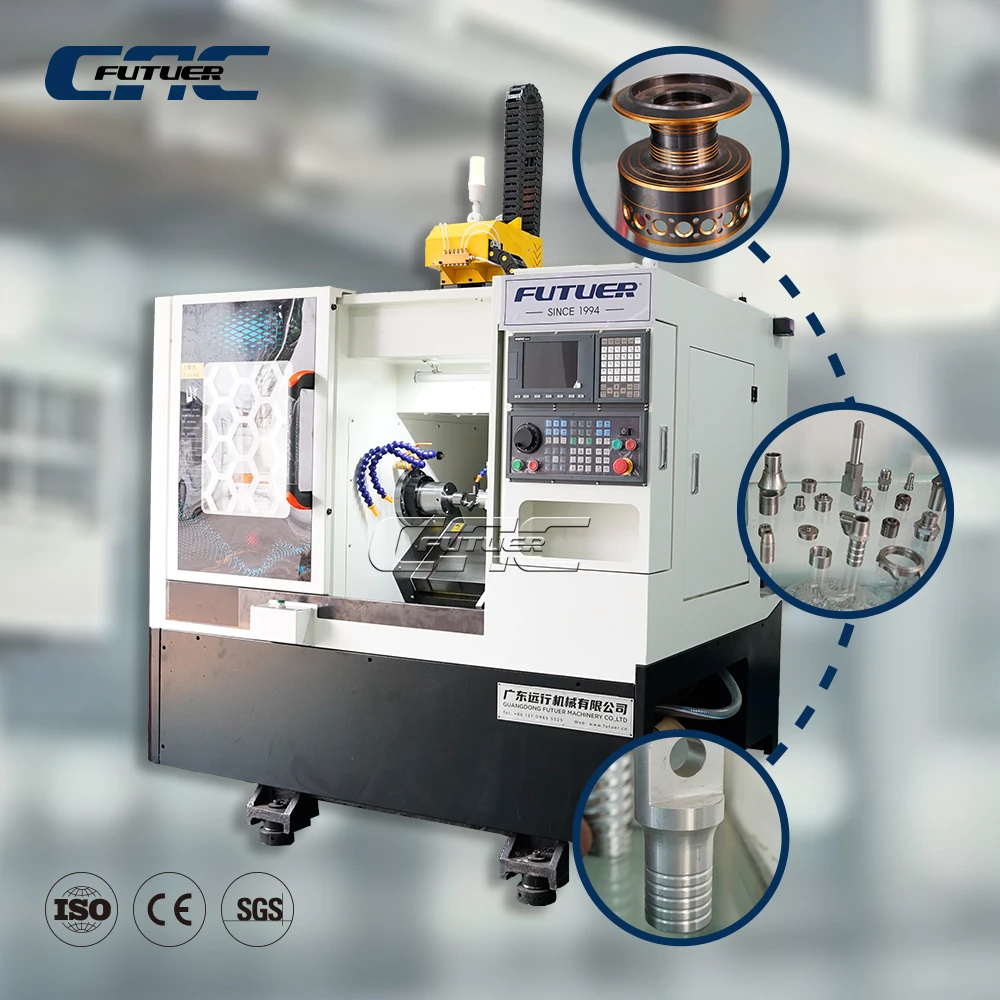
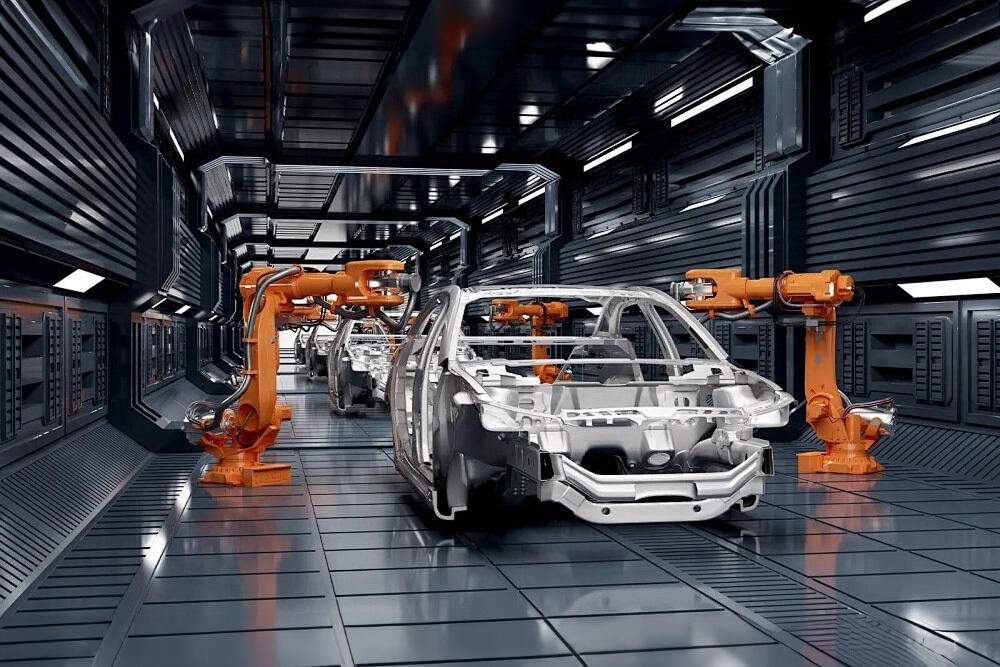
The fundamental application of any lathe is directly governed by its number of axes, which determines the complexity of parts it can produce. A basic 2-axis lathe is the workhorse for high-volume manufacturing of simple, rotationally symmetric components like bushings, shafts, and spacers. Its proficiency lies in efficient external and internal diameter machining, making it the most cost-effective solution for foundational parts across the automotive, fluid power, and general manufacturing industries where complexity is minimal and speed is paramount.
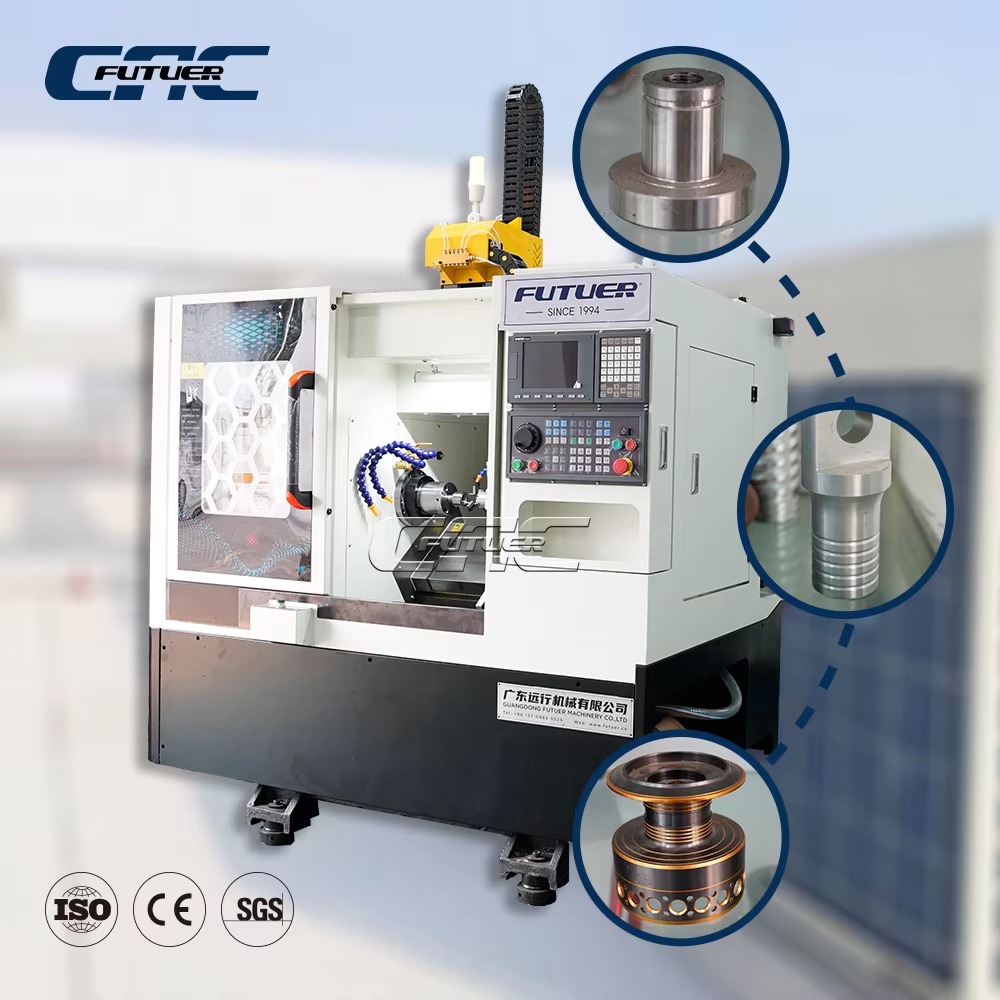
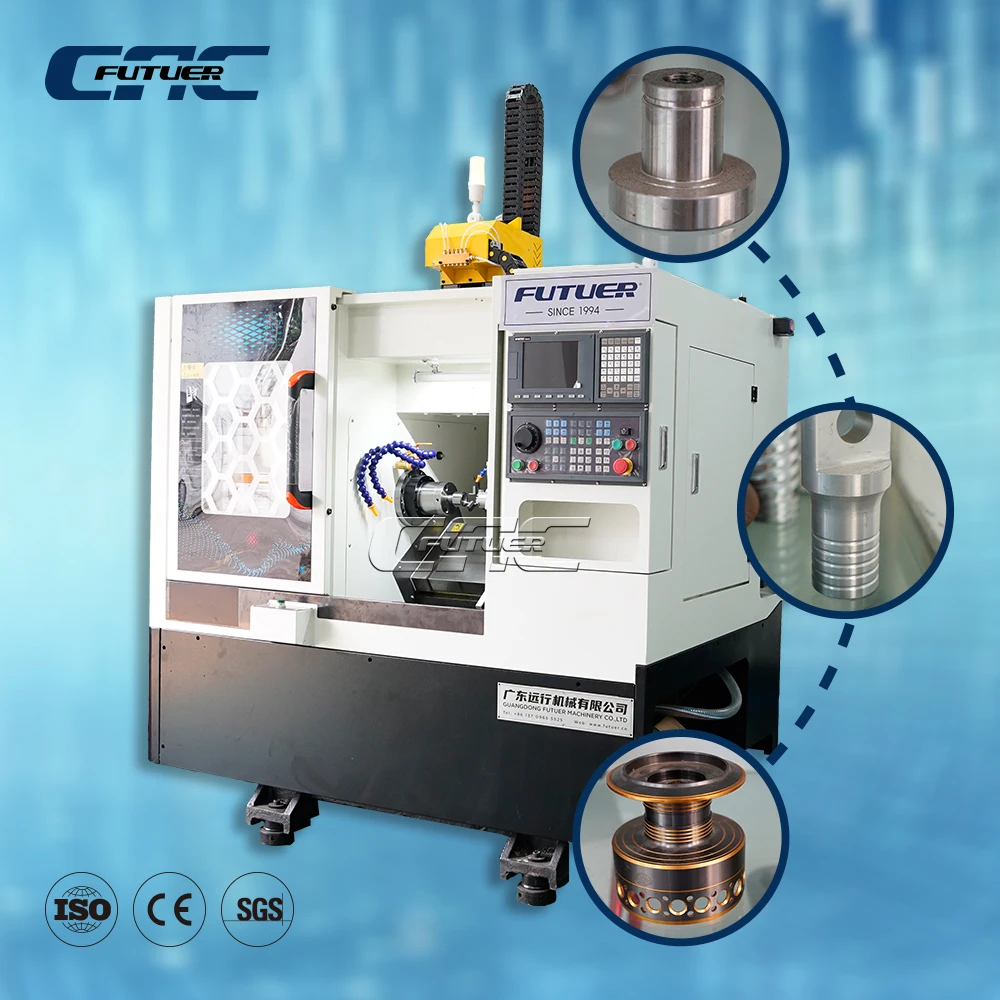
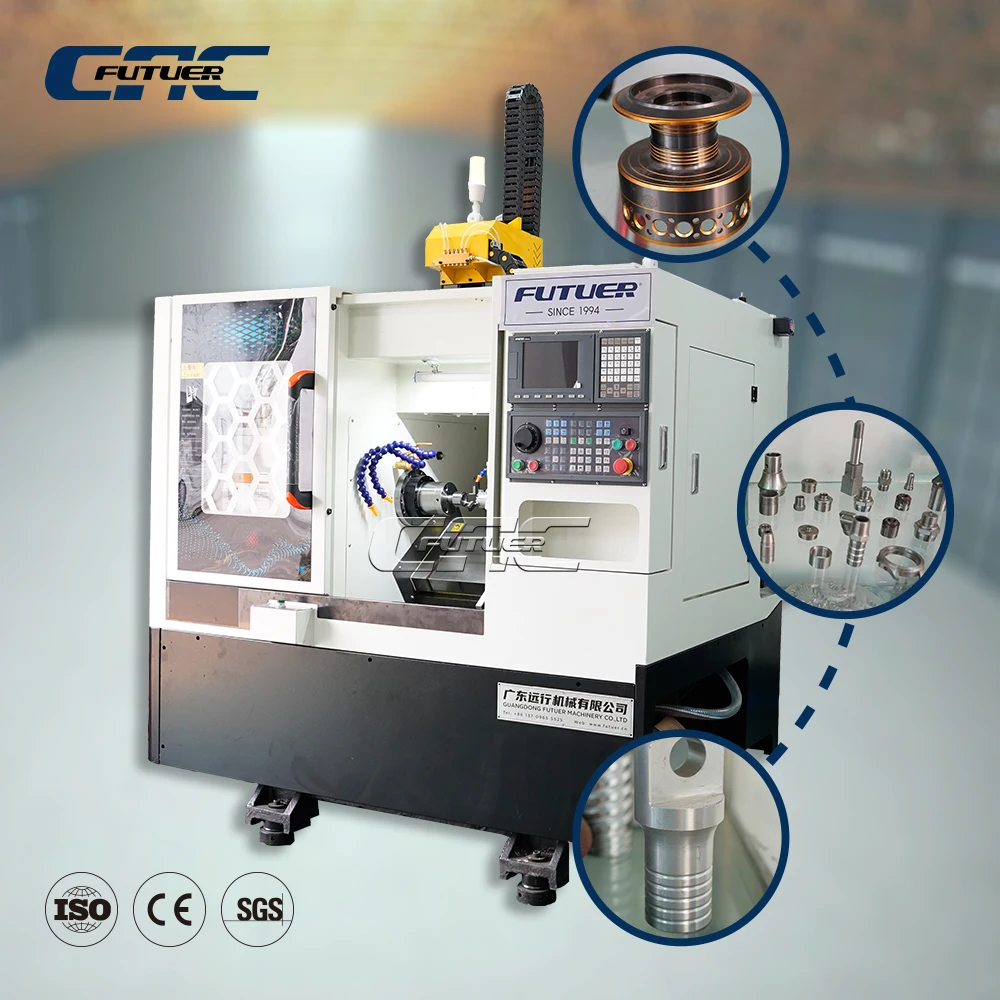
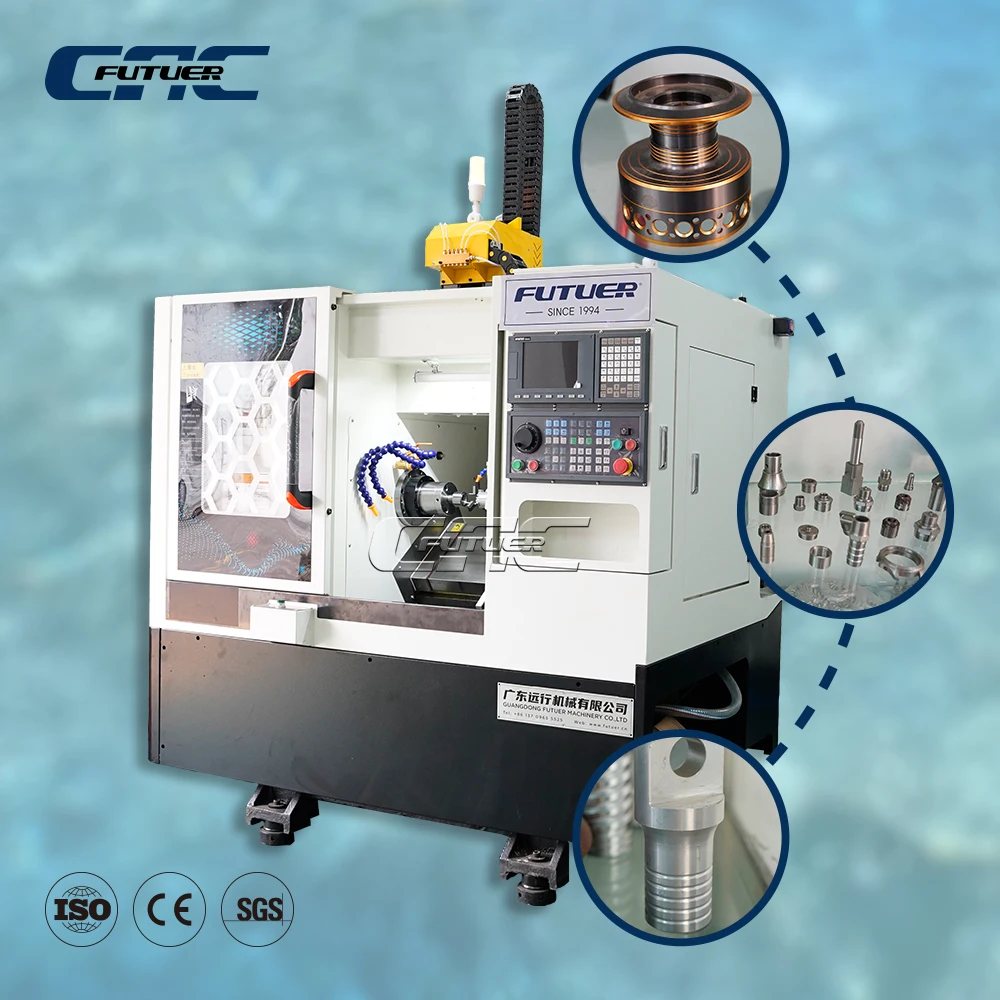
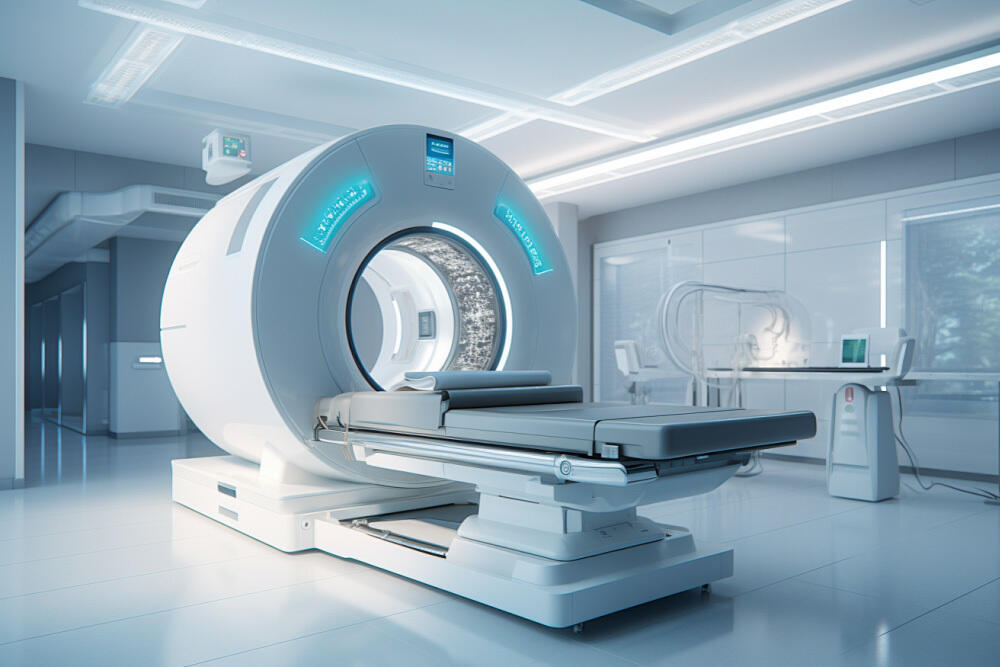
The introduction of additional axes, such as a C-axis and live tooling (creating a 3 or 4-axis lathe), dramatically expands application areas into complex, "done-in-one" machining. This capability allows for off-center drilling, milling of flats, and tapping to be performed within a single cycle. This is indispensable for producing sophisticated components like engine valves, medical device housings, and hydraulic fittings that require multiple operations and exceptional concentricity, effectively consolidating an entire production process onto one platform and eliminating the cost and error of secondary setups.
For the most intricate and demanding parts, 5-axis mill-turn centers and multi-tasking lathes represent the pinnacle of application scope. These machines can simultaneously manipulate the workpiece and cutting tools along multiple axes, enabling the machining of highly complex, non-rotationally symmetric geometries such as turbine blades, aerospace impellers, and orthopedic implants in a single clamping. This advanced axis configuration is a strategic investment for dominating high-value, niche markets where part complexity, extreme precision, and minimal setup time are non-negotiable competitive advantages.

 EN
EN