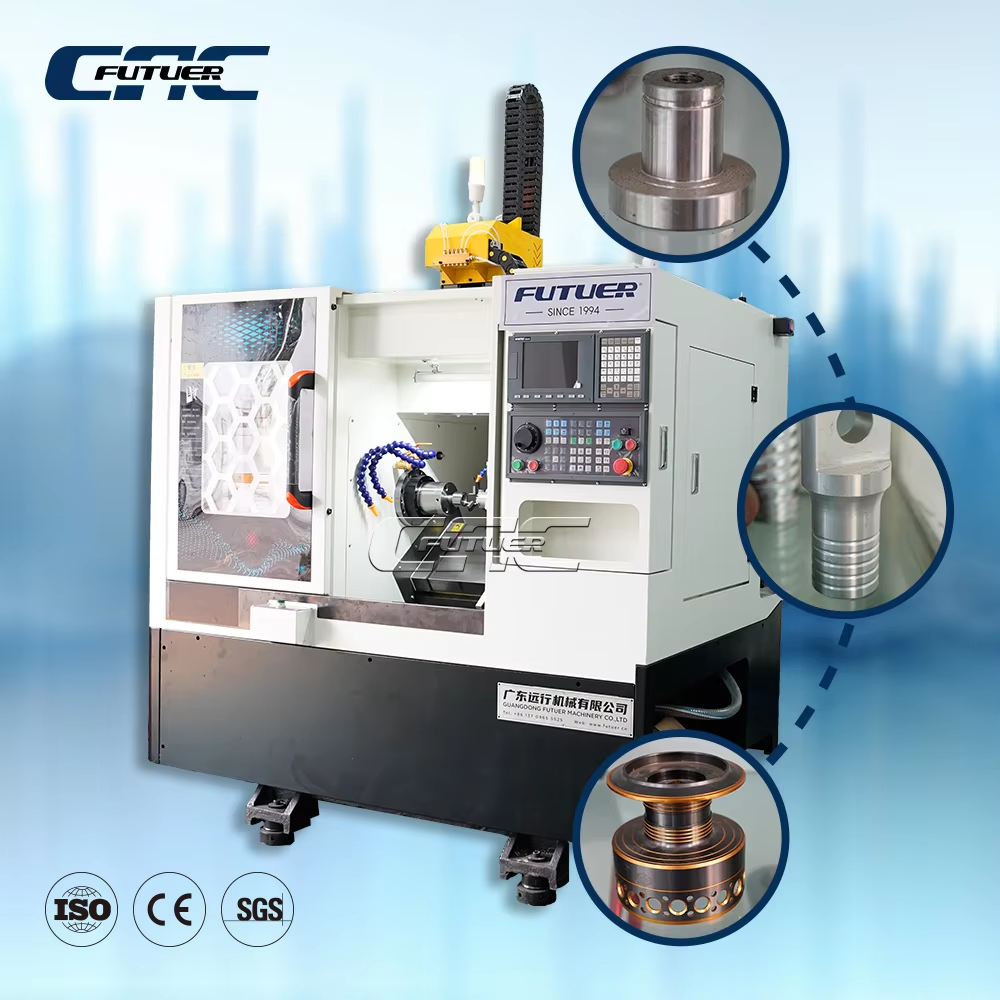
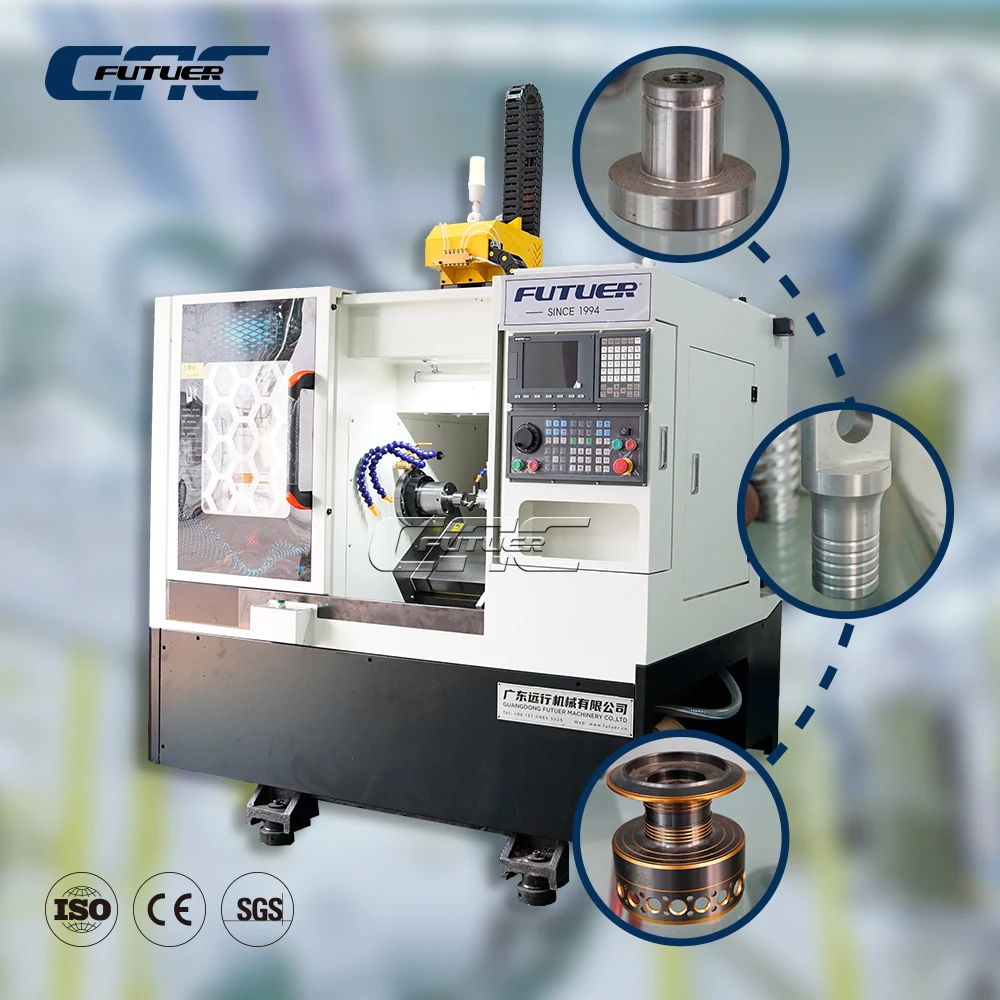
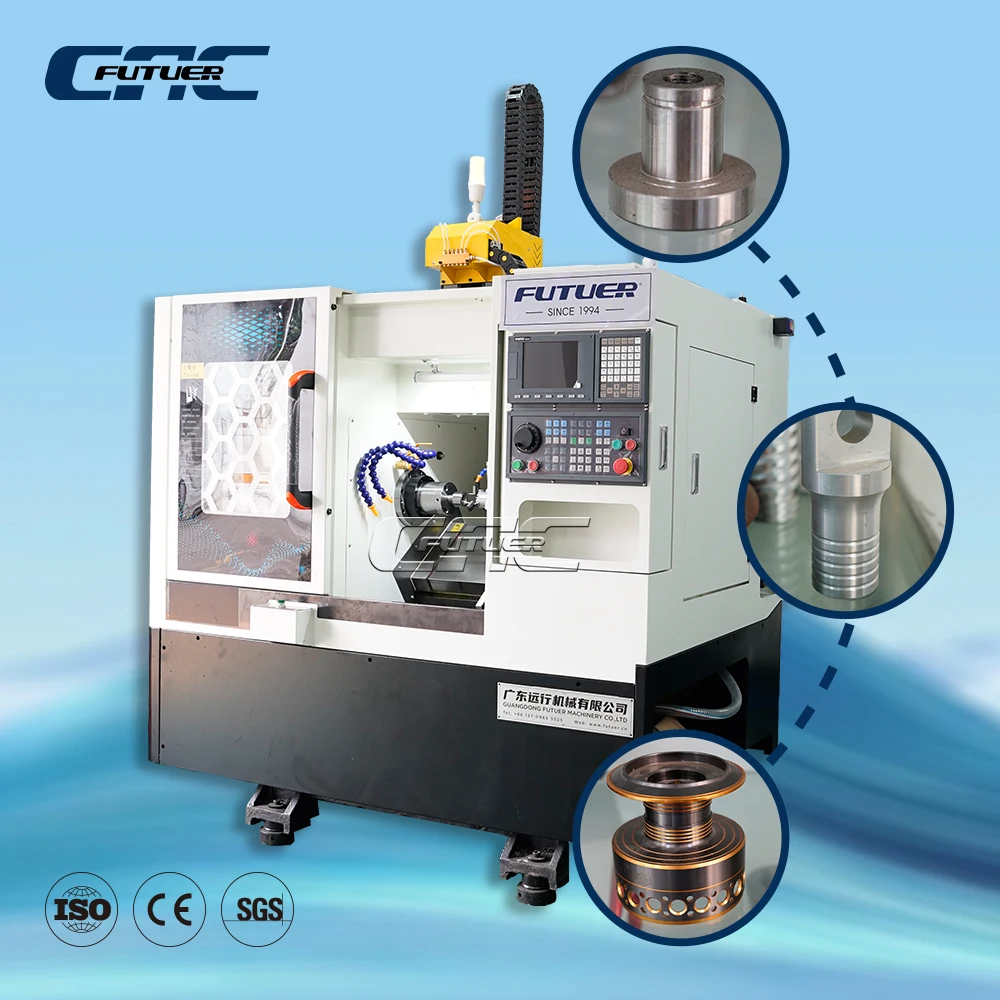
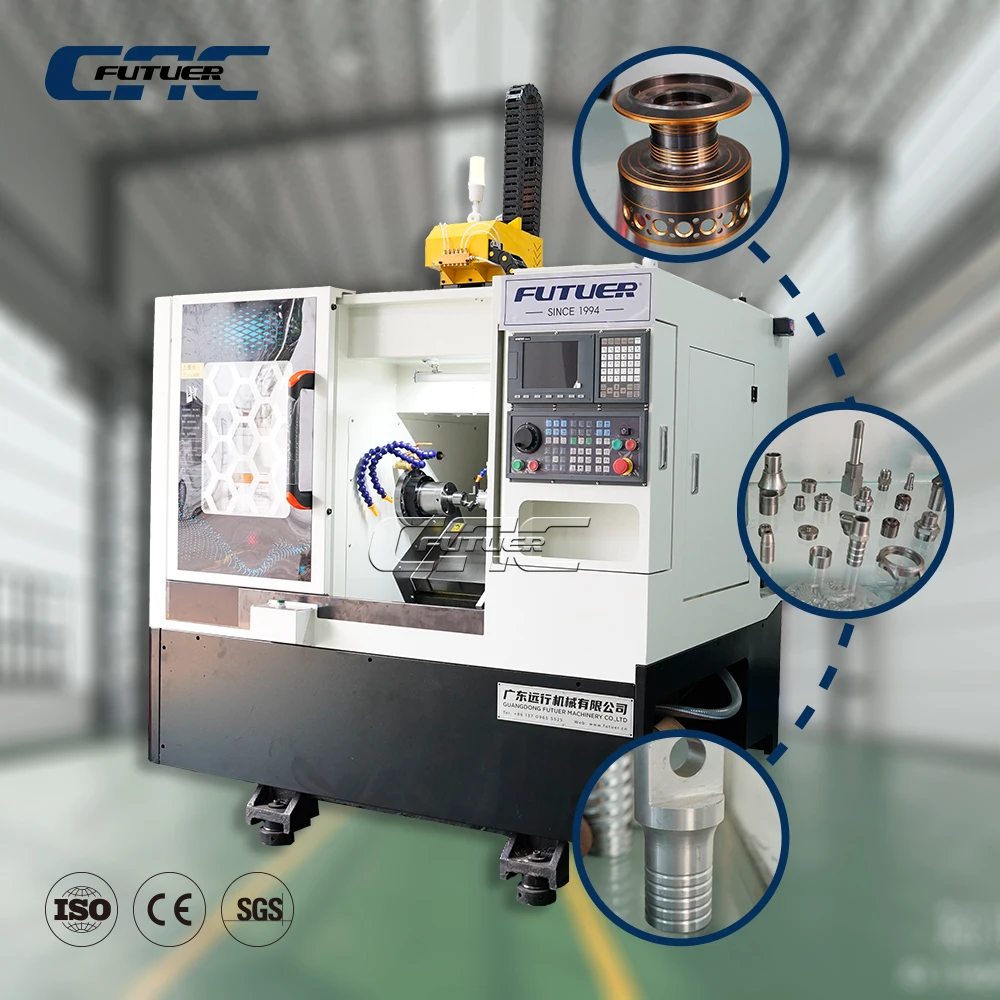
The Complete Digital Workshop: Unlocking Potential with CNC Turning and Milling
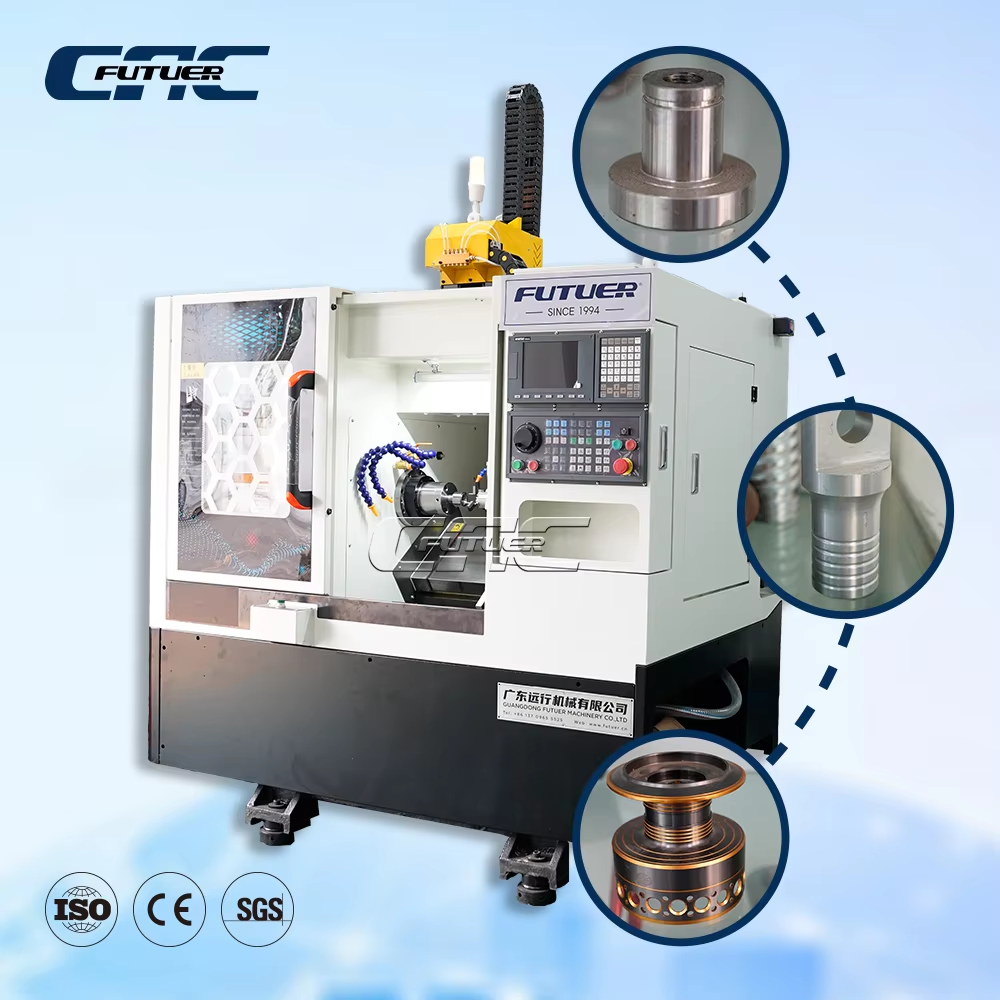
CNC turning and milling represent the foundational pillars of modern subtractive manufacturing, each offering distinct capabilities that serve critical roles across industry sectors. CNC turning specializes in producing precision rotationally symmetric parts, making it ideal for creating shafts, bushings, connectors, and fasteners in high-volume production environments. Meanwhile, CNC milling excels at manufacturing complex three-dimensional geometries, cavities, and flat surfaces, enabling the creation of everything from engine blocks and mold tools to architectural components and specialized machinery housings. Together, these technologies provide manufacturers with comprehensive capabilities for transforming raw materials into finished components with exceptional accuracy and repeatability across automotive, aerospace, consumer goods, and industrial equipment sectors.
The most significant application prospects emerge when CNC turning and milling operations are integrated within advanced multi-tasking machines and manufacturing cells. Modern mill-turn centers combine both technologies in a single platform, allowing complex parts like turbine rotors, medical implants, and hydraulic manifolds to be completed in one continuous operation without repositioning. This "done-in-one" approach eliminates cumulative tolerancing errors, reduces production lead times from weeks to days, and enables the creation of components with intricate features that would be impossible to produce using either process alone. This synergy is particularly valuable in high-value industries where part complexity, material cost, and precision requirements justify the investment in advanced equipment.
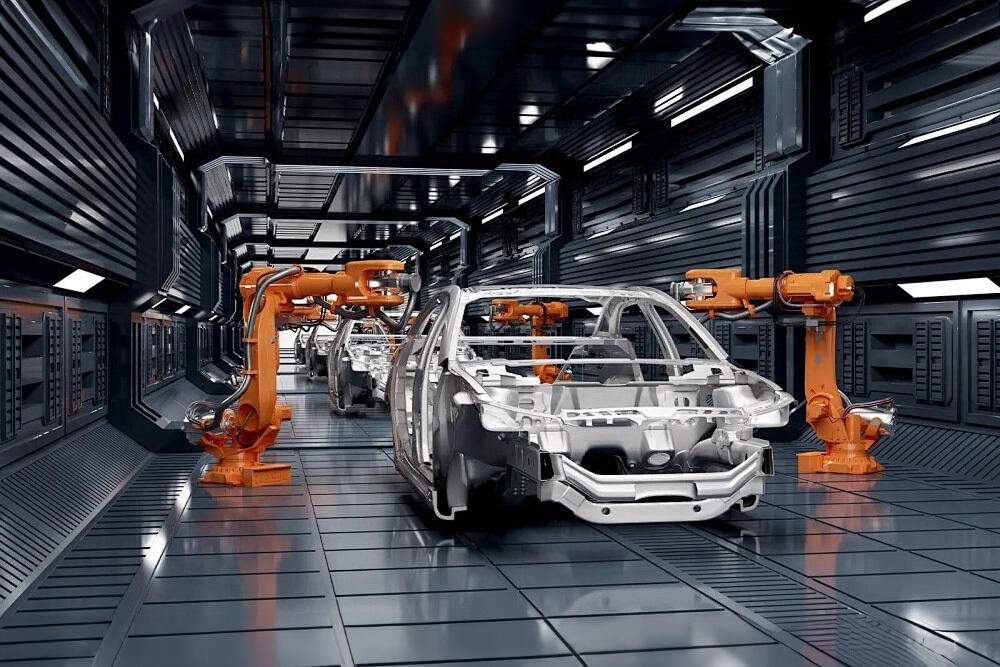
Looking forward, the combined application of CNC turning and milling is poised to drive innovations in smart manufacturing, distributed production, and emerging technology sectors. As additive manufacturing gains traction, these traditional subtractive processes remain essential for achieving final dimensional accuracy and superior surface finishes on 3D-printed components. The integration of AI-driven toolpath optimization, IoT-enabled monitoring, and automated material handling systems is further enhancing the efficiency and capabilities of these technologies. From prototyping components for renewable energy systems to manufacturing precision parts for electric vehicles and robotics, CNC turning and milling will continue to serve as indispensable processes that enable both mass production and customized manufacturing in increasingly agile and responsive production environments.

 EN
EN