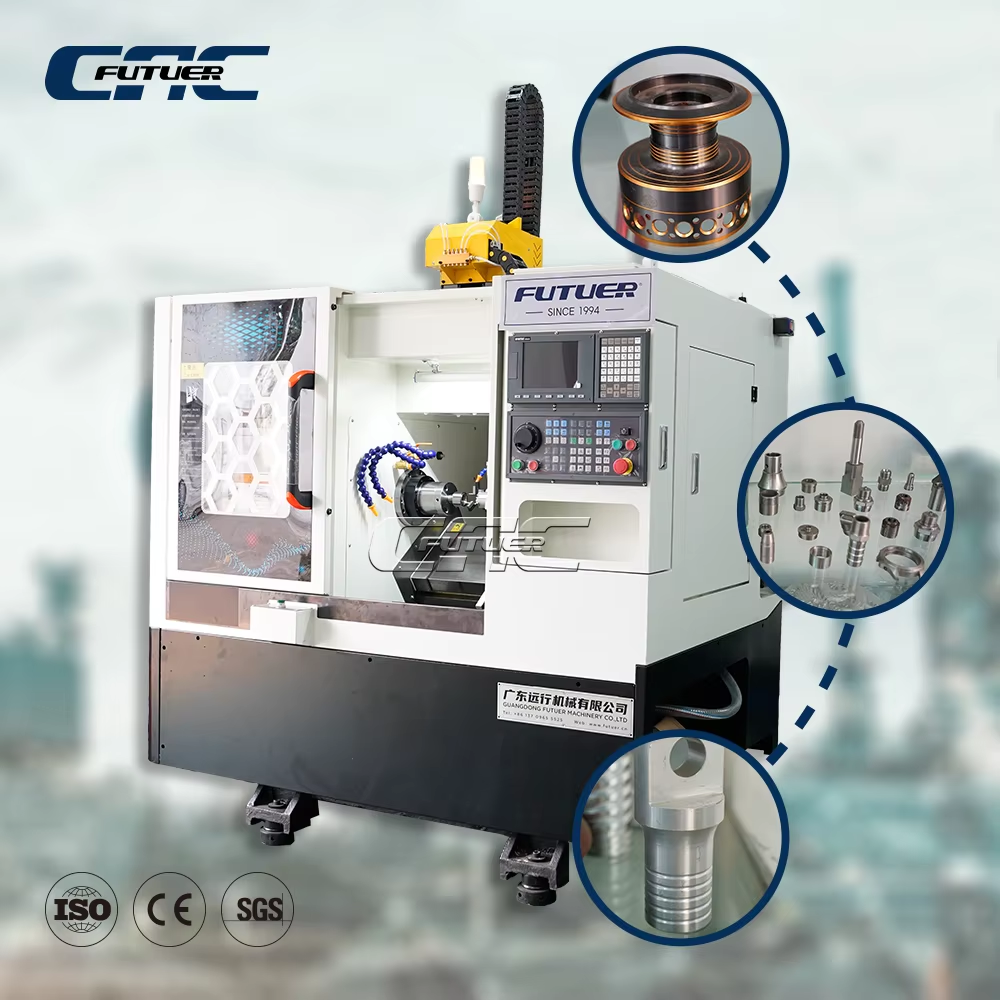
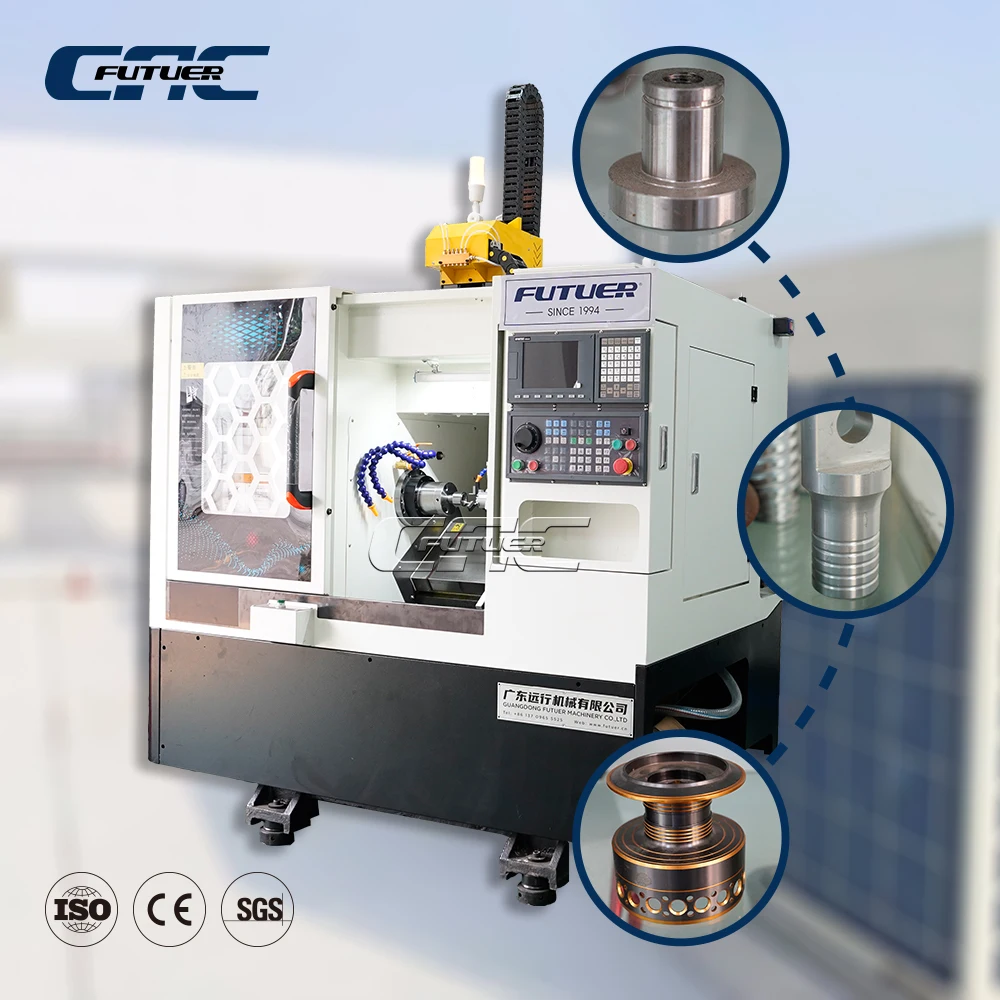
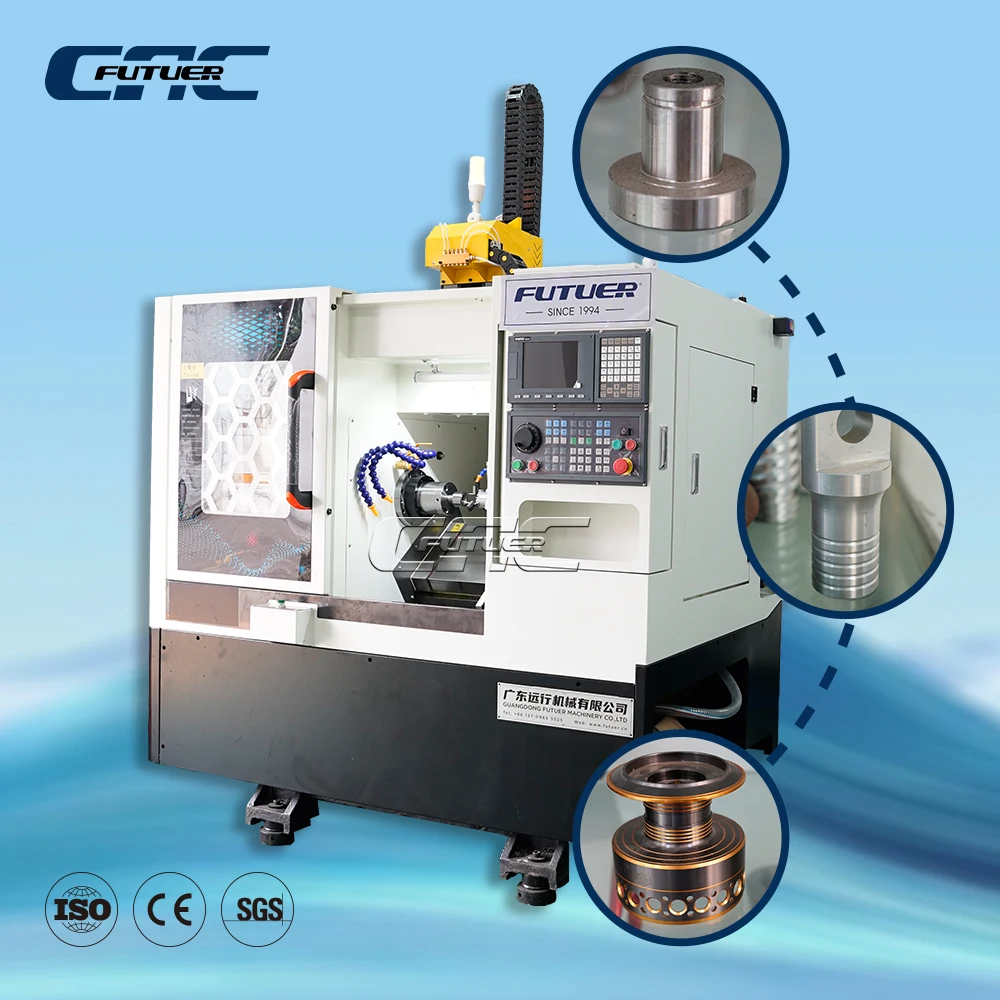
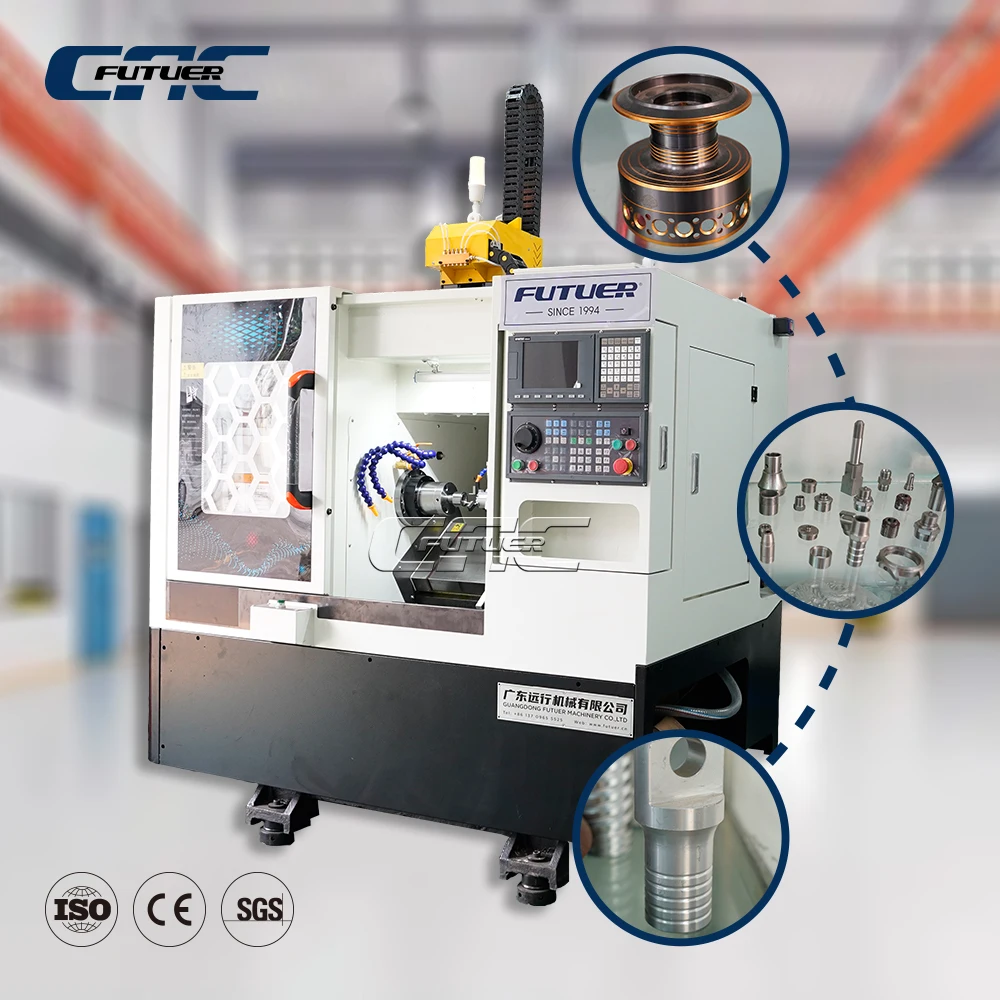
Master Precision Turning with G-Codes for Fanuc CNC Lathe
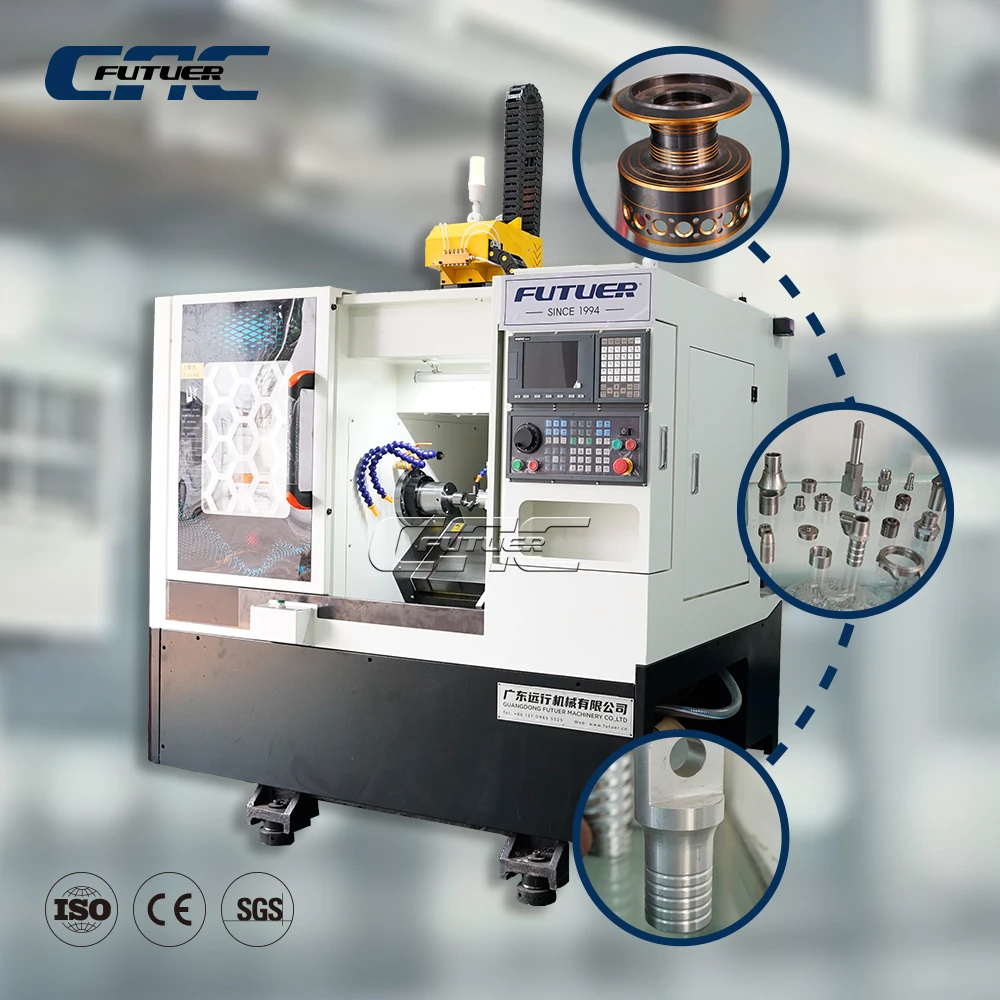
G-codes for Fanuc CNC lathes form the essential programming language that drives precision manufacturing across countless industries. These standardized commands control fundamental turning operations including rough and finish turning (G71, G70), threading (G76, G32), grooving (G75), and taper turning (G90) for producing critical components like automotive shafts, hydraulic fittings, and fasteners. The precise control enabled by these codes allows manufacturers to maintain tight tolerances and superior surface finishes in high-volume production environments, from automotive powertrain components to aerospace fasteners and medical device parts where consistent quality is non-negotiable.
The application of advanced G-codes expands into complex machining operations through multi-cycle commands and specialized functions. Manufacturers leverage multiple repetitive cycles (G71-G73) for efficient stock removal, precise threading cycles (G76) for producing accurate thread forms, and fine boring cycles (G85) for creating precision bore geometries. These advanced programming techniques are particularly valuable in producing complex components like tapered hydraulic fittings, multi-start threads for power transmission systems, and intricate grooves for sealing applications in fluid power systems. The logical structure of Fanuc G-codes enables programmers to create efficient, reliable programs for family-of-parts manufacturing while minimizing programming time and reducing the potential for errors.
Looking toward modern manufacturing trends, mastery of Fanuc G-codes represents a critical skill for advancing toward smart manufacturing and automation. While CAM systems continue to evolve, deep understanding of G-code programming remains essential for troubleshooting, optimization, and custom cycle development. The integration of parametric programming (G-code with variables and logic) enables the creation of adaptive programs that can adjust cutting parameters based on tool wear or material variations. This knowledge base provides the foundation for implementing Industry 4.0 initiatives, as programmers can develop sophisticated routines that interface with automated tool management systems, in-process gaging, and data collection protocols—ensuring manufacturers maintain competitive advantage through programming expertise in an increasingly automated landscape.

 EN
EN