
 EN
EN
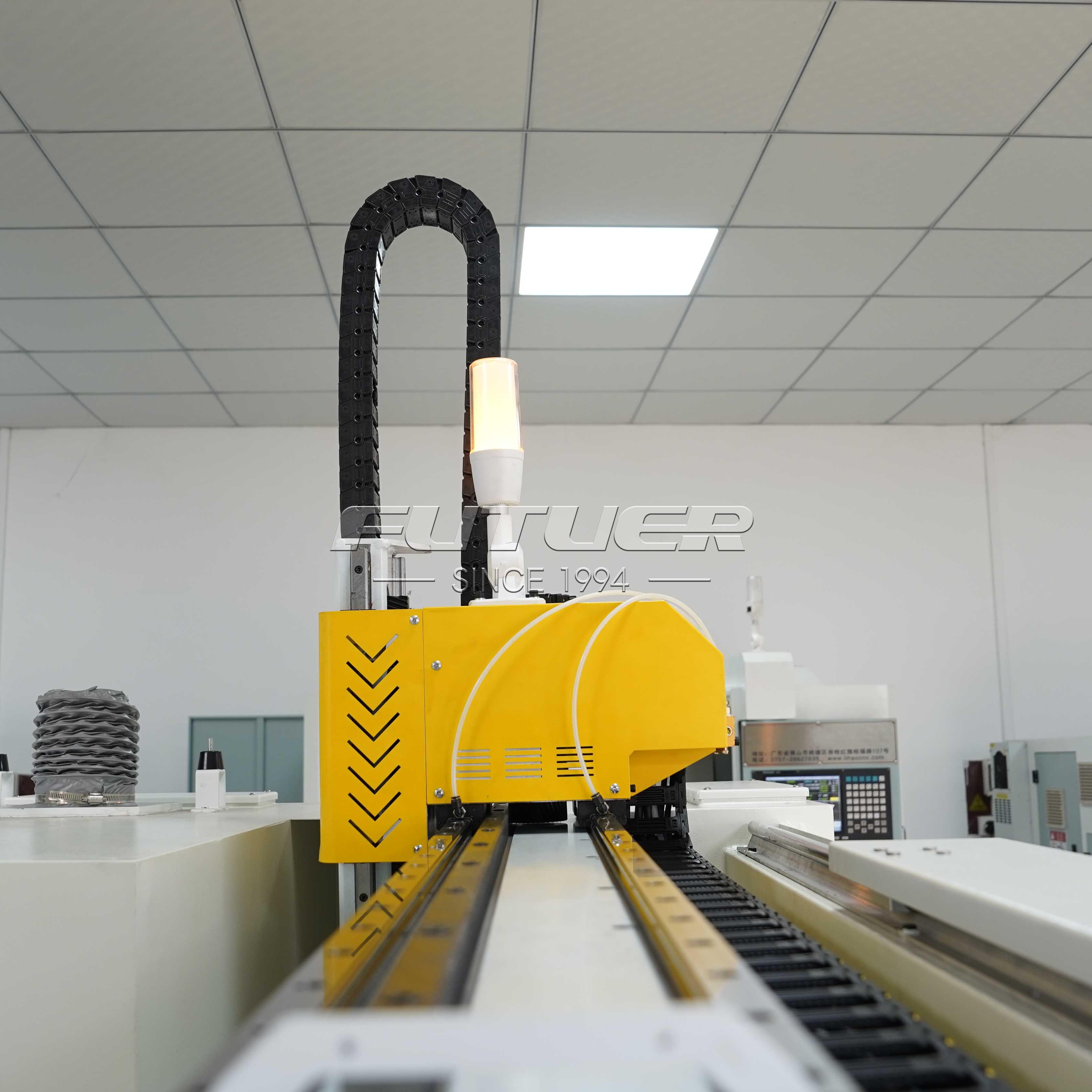
Gravity-Assisted Chip Removal for Cleaner CNC Turning Operations
A slant bed CNC lathe is designed with an inclined machine structure that improves chip evacuation during turning operations. Compared with traditional flat-bed designs, the angled structure allows hot chips to move away from the cutting area more naturally, helping reduce chip accumulation around the tool and workpiece.
Efficient chip control is important for maintaining machining stability. When chips repeatedly contact the cutting zone, they may affect surface finish, accelerate tool wear, and increase the need for manual cleaning. By improving chip flow, slant bed CNC lathes support more consistent machining performance and smoother unattended operation.
Although coolant systems and chip conveyors remain important components in modern CNC machining, the slant bed structure provides an additional mechanical advantage by helping chips leave the cutting area more efficiently.
Thermal Stability and Structural Rigidity for Precision Machining
The horizontal spindle layout and inclined bed structure of a slant bed CNC lathe provide strong support for stable machining.
The machine bed is designed to withstand cutting forces while maintaining alignment between the spindle, tooling system, and workpiece. Compared with some conventional machine structures, the slant bed design can offer improved rigidity and better resistance against vibration during heavy cutting operations.
Thermal stability is another important factor affecting machining accuracy. Heat generated from the spindle, cutting process, and machine components can influence dimensional consistency during long production cycles. Modern CNC lathes often incorporate thermal management technologies, including temperature monitoring and compensation functions, to help minimize thermal-related accuracy changes.
For industries requiring consistent tolerances, such as automotive components, precision mechanical parts, and industrial equipment manufacturing, stable machine construction is essential for reliable production.
Slant Bed Design Improves Operator Efficiency and Machine Accessibility
Beyond machining performance, the slant bed structure also improves daily operation.
The inclined working area provides better visibility of the cutting zone and easier access for:
- tool adjustment
- workpiece loading
- machine inspection
- maintenance operations
The ergonomic layout helps operators monitor machining conditions more conveniently, especially in production environments where frequent setup changes are required.
At the same time, the inclined structure supports better chip management, reducing interruptions caused by chip buildup and helping maintain continuous production.
Automation and Multi-Tasking Functions Expand CNC Lathe Capability
Modern slant bed CNC lathes can be equipped with automation systems to improve production efficiency.
Common automation solutions include:
- bar feeders for continuous material supply
- robotic loading and unloading systems
- automatic tool changers
- parts catching systems
- production monitoring solutions
These technologies reduce manual intervention and allow manufacturers to achieve more flexible production, especially for repeated batch machining.
For complex components, live tooling combined with C-axis or Y-axis functions enables milling, drilling, and turning operations in a single machine setup. This reduces the need for transferring parts between different machines and helps maintain positioning accuracy throughout the machining process.
Improving Production Flexibility with Multi-Axis CNC Turning
Traditional CNC turning machines are mainly focused on rotational machining operations. However, modern slant bed CNC lathes with driven tooling and multi-axis functions can handle more complex geometries.
Applications include:
- cross holes
- keyways
- grooves
- angled drilling
- off-center machining features
By combining multiple processes in one setup, manufacturers can simplify production workflows, reduce handling requirements, and improve consistency between machining operations.
This capability is particularly valuable for job shops and manufacturers producing different part types in medium or small batches.
Choosing a Slant Bed CNC Lathe for Long-Term Production Value
When selecting a slant bed CNC lathe, manufacturers should evaluate more than initial machine cost.
Important factors include:
- machine rigidity
- spindle performance
- control system capability
- automation compatibility
- maintenance requirements
- supplier technical support
A well-designed CNC turning machine can help manufacturers improve production stability, reduce unnecessary processing steps, and achieve consistent machining quality over its service life.
For companies seeking reliable turning solutions, Futuer CNC focuses on developing CNC machines that combine structural stability, machining flexibility, and practical production efficiency for global manufacturing applications.
FAQ
What are the advantages of a slant bed CNC lathe?
A slant bed CNC lathe offers improved chip evacuation, strong structural rigidity, better operator accessibility, and stable machining performance for various turning applications.
Why is chip removal important in CNC turning?
Effective chip removal helps prevent chip interference, protects cutting tools, improves surface quality, and supports continuous machining operations.
Can a slant bed CNC lathe support automation?
Yes. Slant bed CNC lathes can integrate solutions such as bar feeders, robotic loading systems, and production monitoring technologies to improve automation.
What is the benefit of live tooling on a CNC lathe?
Live tooling allows milling, drilling, and other secondary machining operations to be completed on the same machine, reducing additional setups and improving production flexibility.
How does a slant bed structure improve machining stability?
The inclined bed design provides strong support for cutting forces and helps maintain alignment between machine components, supporting consistent machining accuracy.
Table of Contents
- Gravity-Assisted Chip Removal for Cleaner CNC Turning Operations
- Thermal Stability and Structural Rigidity for Precision Machining
- Slant Bed Design Improves Operator Efficiency and Machine Accessibility
- Automation and Multi-Tasking Functions Expand CNC Lathe Capability
- Improving Production Flexibility with Multi-Axis CNC Turning
- Choosing a Slant Bed CNC Lathe for Long-Term Production Value
- FAQ
- What are the advantages of a slant bed CNC lathe?
- Why is chip removal important in CNC turning?
- Can a slant bed CNC lathe support automation?
- What is the benefit of live tooling on a CNC lathe?
- How does a slant bed structure improve machining stability?