
 EN
EN
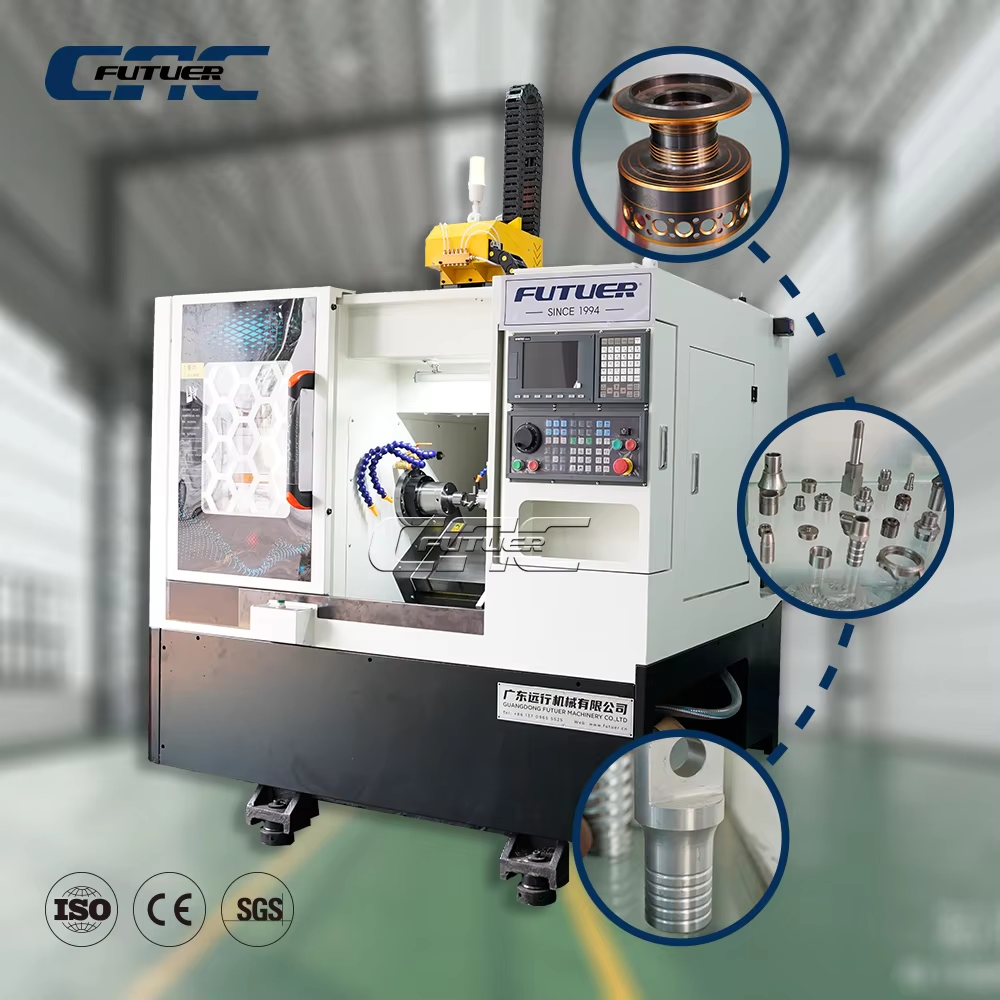
CNC Turning Machines as the Physical Foundation of Industry 4.0
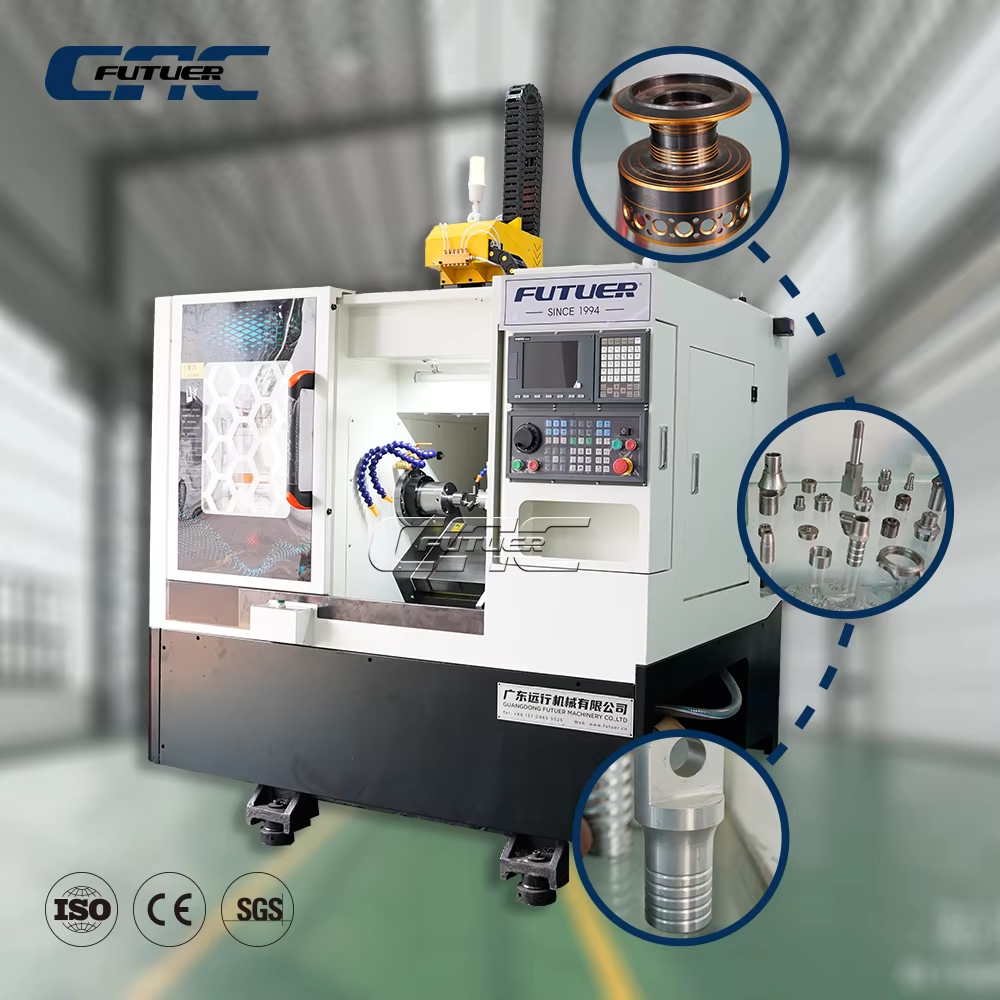
Modern CNC Turning Machine systems form the operational backbone of Industry 4.0 by enabling unprecedented connectivity and intelligence. These advanced lathes transform raw material processing through integrated sensors and edge computing, moving far beyond traditional standalone operation.
Real-time IoT connectivity and edge-enabled monitoring in modern CNC turning systems
Modern CNC turning centers now connect to the Internet of Things (IoT), gathering all sorts of operational information from built-in vibration detectors, temperature gauges, and power meters. With this setup, operators can keep track of when tools start wearing down and monitor how smooth the finished surfaces are. The machines also send out early warning signals about potential problems before they happen, thanks to analysis of heat changes over time. Plus, processing happens right at the machine itself instead of waiting for cloud servers, which cuts down on delays. These features cut unexpected stoppages somewhere around 15 to maybe even 20 percent, all while keeping incredibly tight tolerances because the system makes tiny corrections as it goes along.
Integration into cyber-physical production systems: From isolated lathes to synchronized shop-floor networks
As we move toward Industry 4.0, CNC turning machines are becoming much more than standalone tools they're turning into connected parts of larger production networks. Standard communication protocols such as MTConnect and OPC UA let these machines talk to MES and ERP systems, which creates those real time dashboards operators love to see. Workflow automation makes sure the turning process lines up perfectly with what happens next in the production line. Energy usage gets smarter too when all these machines work together in a cell. When manufacturers switch from having separate machines to these smart, connected systems, they typically cut down on lead times somewhere around 30%. Plus, this setup allows for making custom batches even if it's just one unit at a time, something that was really difficult before all this connectivity came along.
Intelligent Control and Human-Centric Interfaces in CNC Turning Machines
Adaptive control for autonomous tool wear compensation and surface finish consistency
Today's CNC turning machines come equipped with smart adaptive control systems powered by sensors that tweak cutting settings on their own while running. These systems look at vibrations happening right now plus sounds coming from the machine to figure out when tools are wearing down, then they change how fast things move and spin automatically. The result? Surface finish stays under 0.8 microns Ra according to ISO standards, and tools last about 30 to 50 percent longer than before. With this kind of feedback loop going on behind the scenes, factories can hit those tight tolerances of plus or minus 5 microns consistently without anyone needing to watch over everything. No more throwing away parts because tools suddenly fail, and workers don't have to check as often either since inspections drop down around two thirds compared to what was normal before.
Next-generation HMIs: AR-assisted diagnostics, predictive maintenance dashboards, and voice-guided operation
Modern CNC interfaces are changing how operators interact with machines thanks to AR overlays that show alignment guides right on actual parts and display heat patterns across different components. The predictive maintenance screens gather all those sensor readings and turn them into something useful, often spotting when bearings might fail well over three days ahead of time, around 95% of the cases according to tests. Voice commands let techs control everything without needing free hands, so they can check blueprints or stop a cycle mid-process while still holding whatever part they're working on. Overall these smart interfaces save about a third of setup time and make fewer mistakes because they guide workers step by step through tasks depending on what kind of job needs doing.
Digital Twin Technology Optimizing CNC Turning Machine Performance
Physics-based digital twins for NC program validation, cycle time simulation, and thermal error correction
Digital twins based on physical principles essentially build computer copies of CNC turning machines that mimic how things work in reality to boost machine performance. When manufacturers test their NC programs, these virtual models spot potential problems like toolpath collisions and geometry issues before anyone touches real materials, cutting down on wasted parts by around 30%. Looking at cycle times, the digital twin looks at what happens with the spindle and how much material gets removed each pass, predicting where production might slow down with about 3% error margin. Thermal drift becomes a big problem when machines run for long periods, but here's where it gets interesting: temperature sensors send readings back to the digital twin, which then adjusts calculations using physics formulas to keep everything accurate even as metals expand from heat. The result? Factories save money because they need fewer test runs, roughly 40% fewer actually, and products stay dimensionally stable no matter how many units come off the line.
Autonomous Optimization and AI-Powered Decision Making in CNC Turning Machines
On-machine AI for real-time feed/speed optimization using vibration and acoustic emission analytics
Today's CNC turning machines come equipped with built-in artificial intelligence that keeps an eye on vibrations and sounds throughout machining operations. The AI works right there on the machine itself, looking at sensor readings almost instantly to spot tiny problems with tools, materials that aren't quite right, or signs that parts are starting to wear down. If something goes off track, like when certain vibrations suggest bad surface finishes might happen, the system makes changes to how fast things move and spins automatically. These real time tweaks stop annoying chatter issues, cut down production time around 15 percent, and keep measurements spot on within about half a thousandth of a millimeter all without anyone needing to step in manually. Turning those vibrations and noise patterns into smart adjustments means factories can get nearly 25% more use out of their cutting tools before they need replacing, plus they avoid wasting materials when tools suddenly break down.
FAQ Section
What role do CNC turning machines play in Industry 4.0?
CNC turning machines are central to Industry 4.0 as they offer real-time connectivity and intelligent operations, facilitating faster and more efficient manufacturing processes.
How do CNC turning machines integrate with IoT technologies?
CNC turning machines connect with IoT through sensors and communication protocols, enabling real-time monitoring and optimization. This reduces downtime and increases efficiency.
What advancements have been made in CNC turning machine interfaces?
Advancements include AR-assisted diagnostics and predictive dashboards, enabling more intuitive and efficient operator interactions, which significantly reduce setup times and errors.
How do digital twins contribute to CNC machine performance?
Digital twins simulate real-world machine behavior, ensuring accurate validation of NC programs, cycle times, and thermal error correction, which improves product quality and reduces wastage.
Table of Contents
- CNC Turning Machines as the Physical Foundation of Industry 4.0
- Intelligent Control and Human-Centric Interfaces in CNC Turning Machines
- Digital Twin Technology Optimizing CNC Turning Machine Performance
-
Autonomous Optimization and AI-Powered Decision Making in CNC Turning Machines
- On-machine AI for real-time feed/speed optimization using vibration and acoustic emission analytics
- FAQ Section
- What role do CNC turning machines play in Industry 4.0?
- How do CNC turning machines integrate with IoT technologies?
- What advancements have been made in CNC turning machine interfaces?
- How do digital twins contribute to CNC machine performance?