Beyond Rotation: How Multi-Axis CNC Turning Unlocks Complex Part Manufacturing
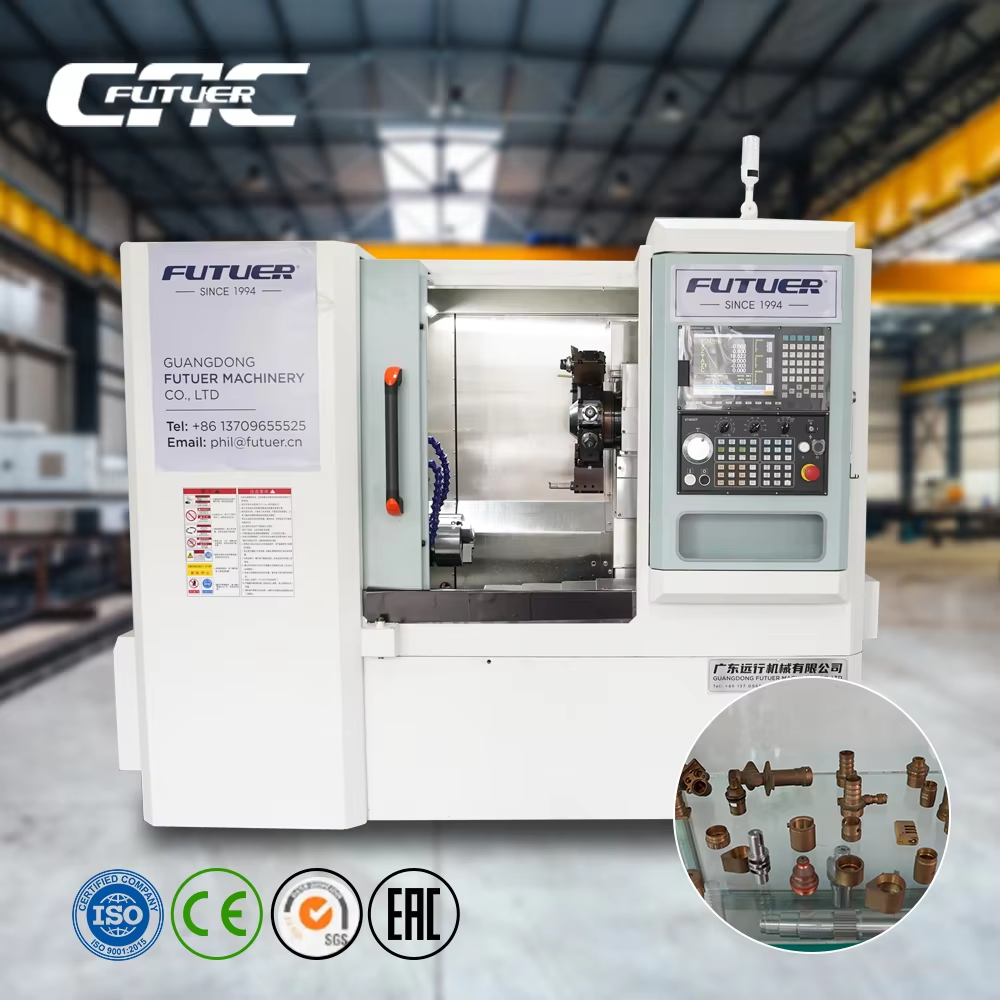
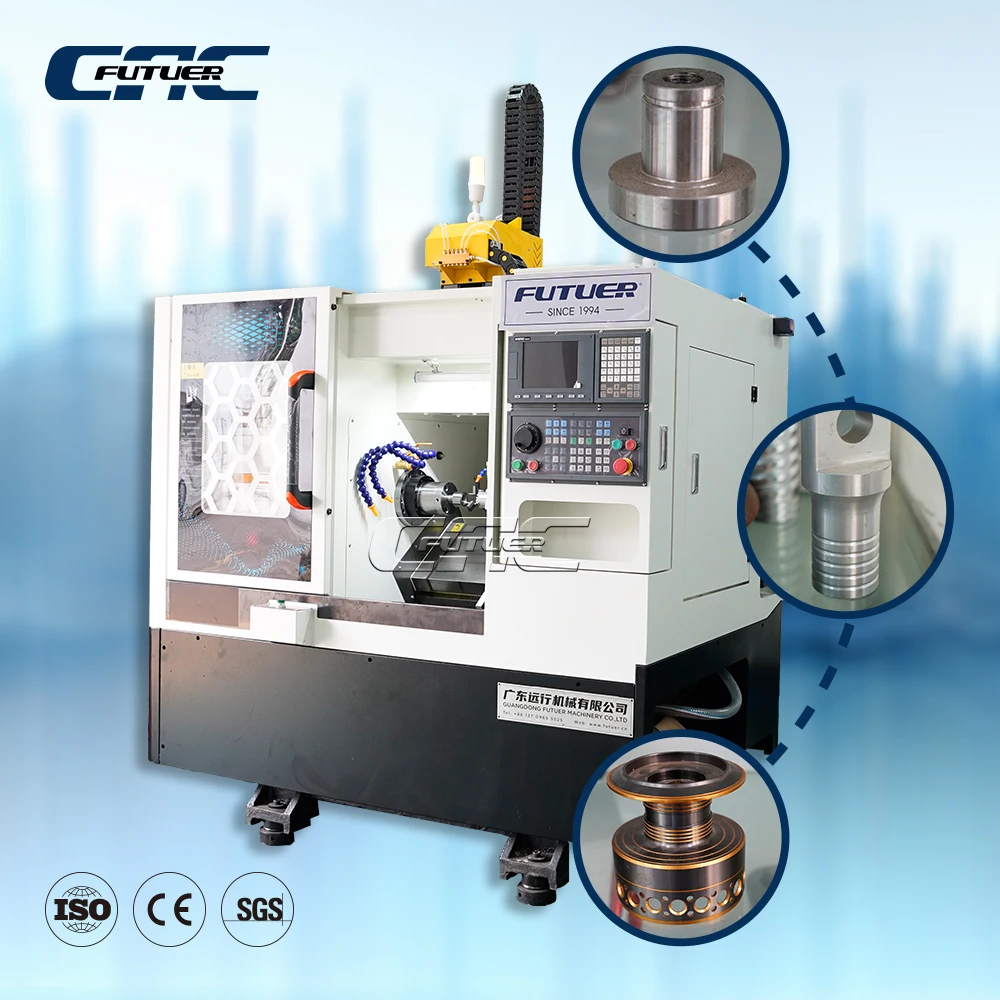
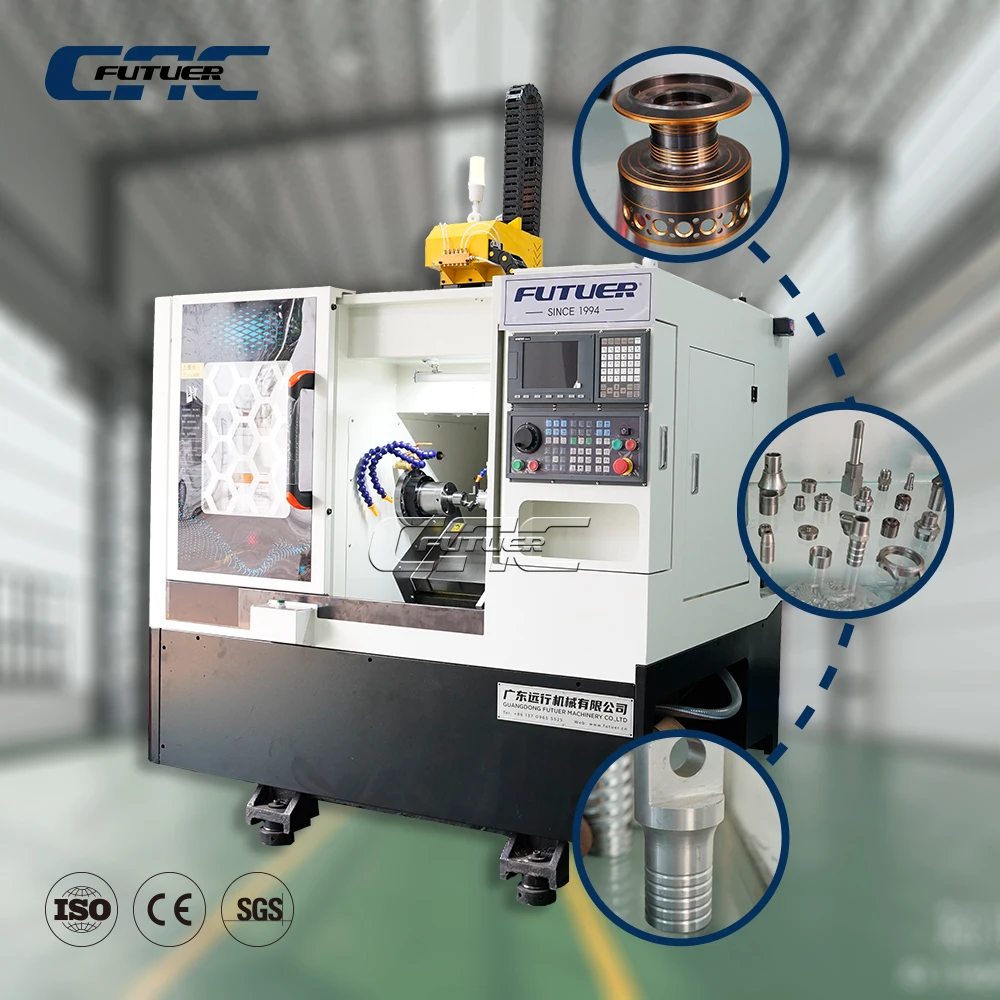
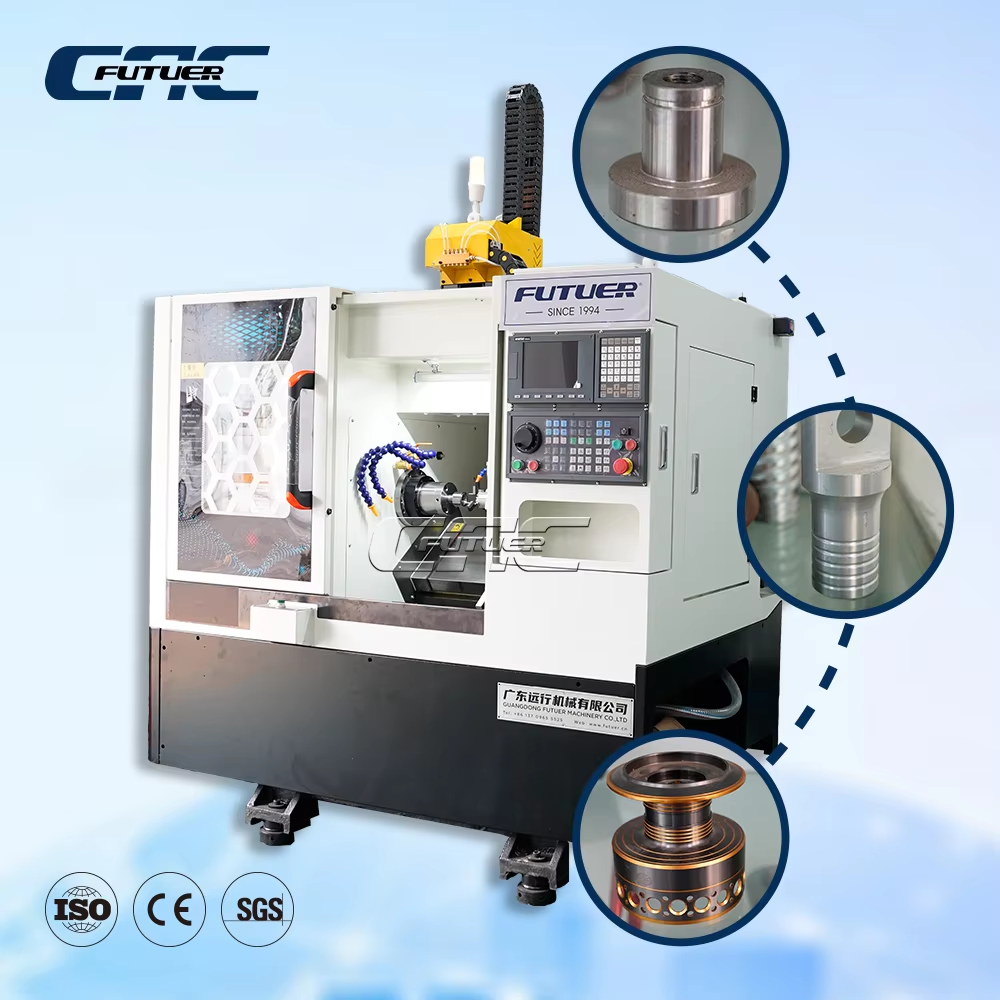
The application of multi-axis CNC turning is fundamentally defined by its ability to produce highly complex, precision components in a single, streamlined setup. A standard 2-axis lathe can create basic cylindrical shapes, but the addition of more axes—such as a C-axis for precise spindle positioning and a Y-axis for off-center milling and drilling—transforms the machine into a complete machining center. This capability is critical for manufacturing parts that require features not concentric to the main centerline. Industries reliant on components like camshafts, complex fluid fittings, and manifolds benefit immensely, as these parts can be fully machined, including milling flats, drilling cross-holes, and tapping threads, without the time-consuming errors and added cost of secondary operations.
The specific advantages of multi-axis CNC turning are most evident in high-value sectors like aerospace, medical, and automotive engineering. In aerospace, it is used to create lightweight, structural components from tough alloys like titanium and Inconel, where integrity and precision are paramount. The medical device industry depends on it for manufacturing intricate bone screws, orthopedic implants, and surgical tool components that feature complex geometries and require flawless biocompatible surfaces. For the automotive industry, especially in high-performance and powertrain applications, multi-axis turning produces advanced components like turbocharger impellers and integrated sensor housings, which demand tight tolerances and complex shapes to maximize efficiency and reliability.
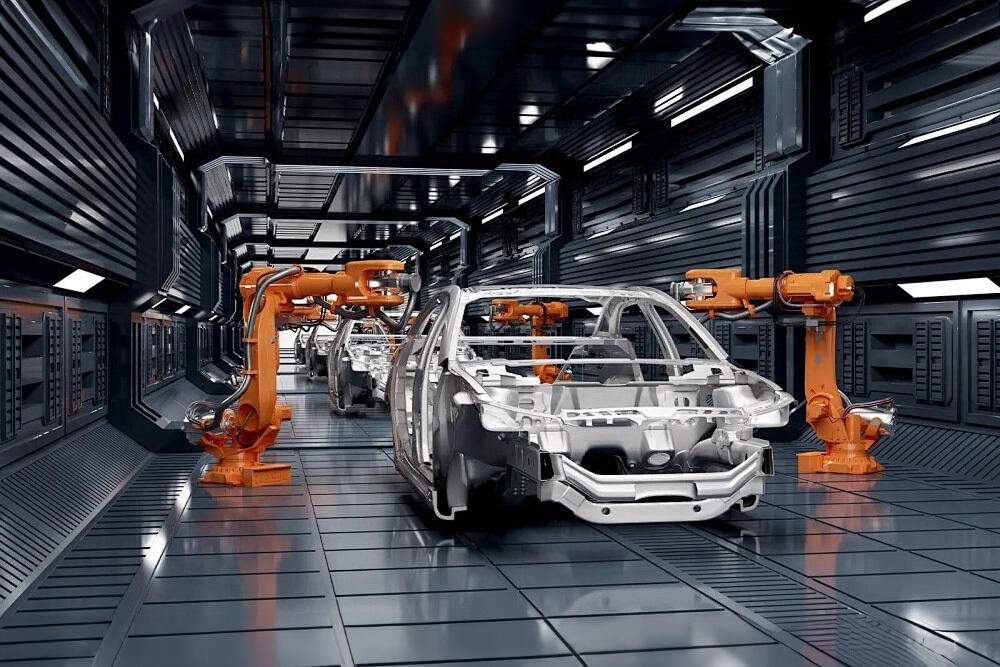
Looking forward, the application of advanced CNC turning axis technology is central to the evolution of automated, "lights-out" manufacturing. The seamless integration of live tooling and multiple axes allows for the complete machining of a part from bar stock to finished product in one cycle. This is the foundation of modern flexible manufacturing cells, where robots load raw material and unload finished components with no human intervention. By investing in multi-axis turning capabilities, manufacturers are not just acquiring a machine; they are building a strategic advantage based on unparalleled efficiency, reduced time-to-market, and the agility to produce the sophisticated, integrated components that define the next generation of industrial and consumer products.

 EN
EN