Unmatched Stability for Heavy-Duty Parts: The Horizontal Lathe Advantage
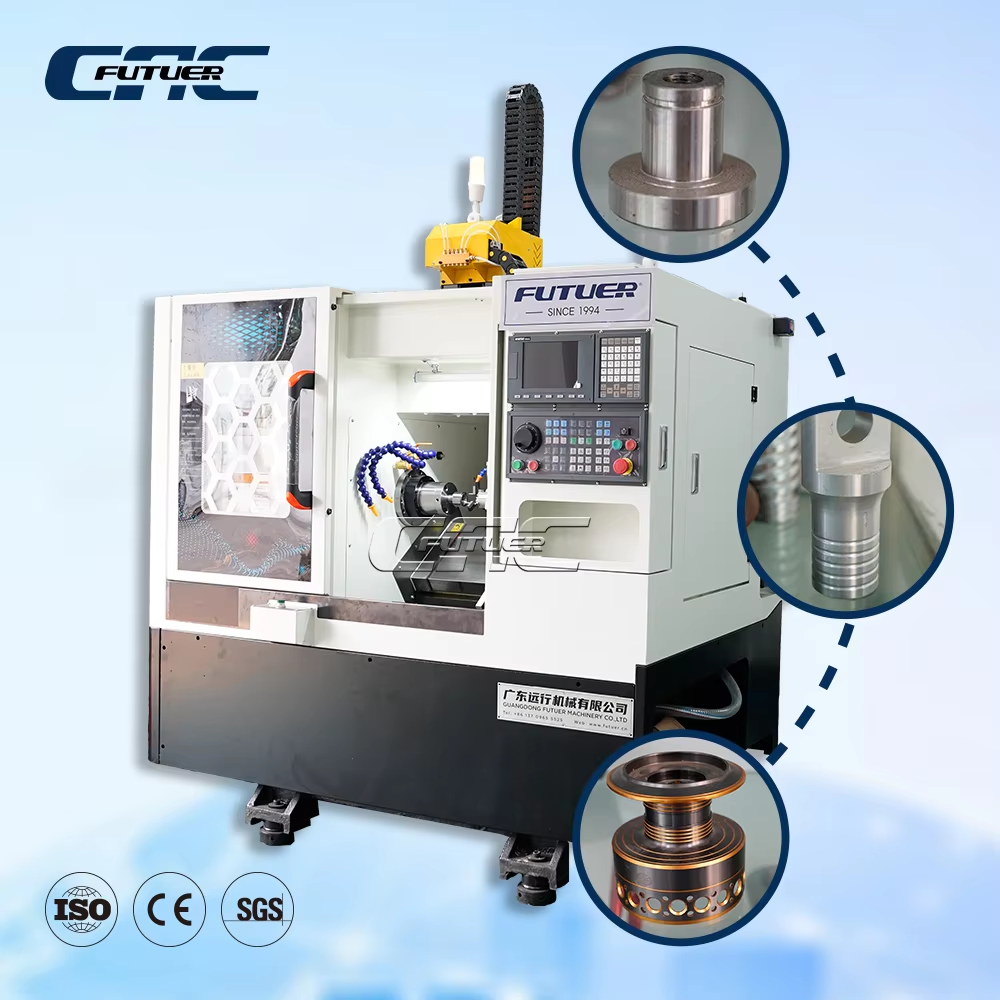
The primary application prospect for horizontal lathes lies in their superior ability to handle large, heavy, and long workpieces with exceptional stability and precision. The horizontal orientation of the spindle and workpiece provides a natural advantage, as gravity works with the machine's bed to minimize deflection and vibration during cutting. This makes them indispensable for foundational manufacturing tasks such as turning large-diameter flanges, long shafts, and massive rollers. Furthermore, the design allows for efficient chip evacuation, as debris falls away from the workpiece and cutting tool into the chip conveyor, enabling longer, uninterrupted machining cycles and reducing downtime for cleanup. This reliability is the bedrock of heavy equipment, energy, and large-scale transportation manufacturing.
Horizontal lathes are the machine of choice in capital-intensive industries where component size and integrity are critical. In the energy sector, they are used to manufacture robust components for wind turbines, hydroelectric generators, and large-bore valves and fittings for oil and gas pipelines. The marine and heavy transportation industries rely on them for producing locomotive axles, large propeller shafts, and monumental wheel hubs. Their rigidity and power also make them ideal for machining high-tolerance parts from tough materials like hardened steel and cast iron, which are common in the mining and construction equipment that forms the backbone of global infrastructure.
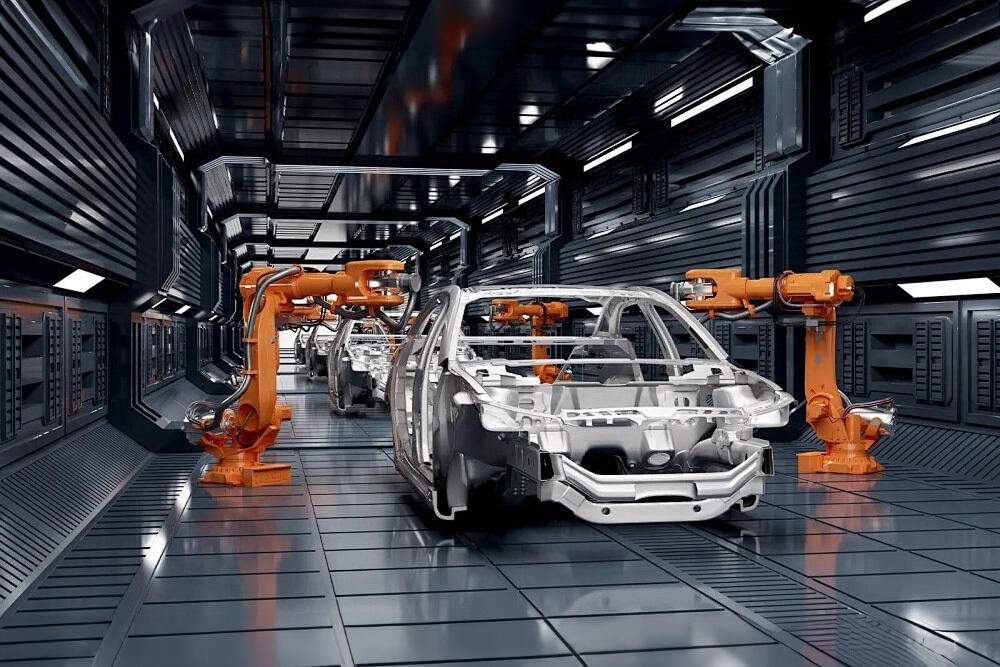
Looking ahead, the application of horizontal lathes is evolving through integration with advanced automation systems, solidifying their role in the modern smart factory. Their robust construction and consistent workflow make them perfectly suited for integration into flexible manufacturing cells (FMCs) and automated production lines. When equipped with robotic part loaders, automatic tool changers, and pallet systems, horizontal lathes can operate for extended periods with minimal human intervention, enabling efficient lights-out production. This capability to automate the machining of large, high-value components makes investing in a horizontal lathe a strategic move for manufacturers aiming to scale production, improve cost-efficiency, and build a resilient, future-ready operation.

 EN
EN