
 EN
EN
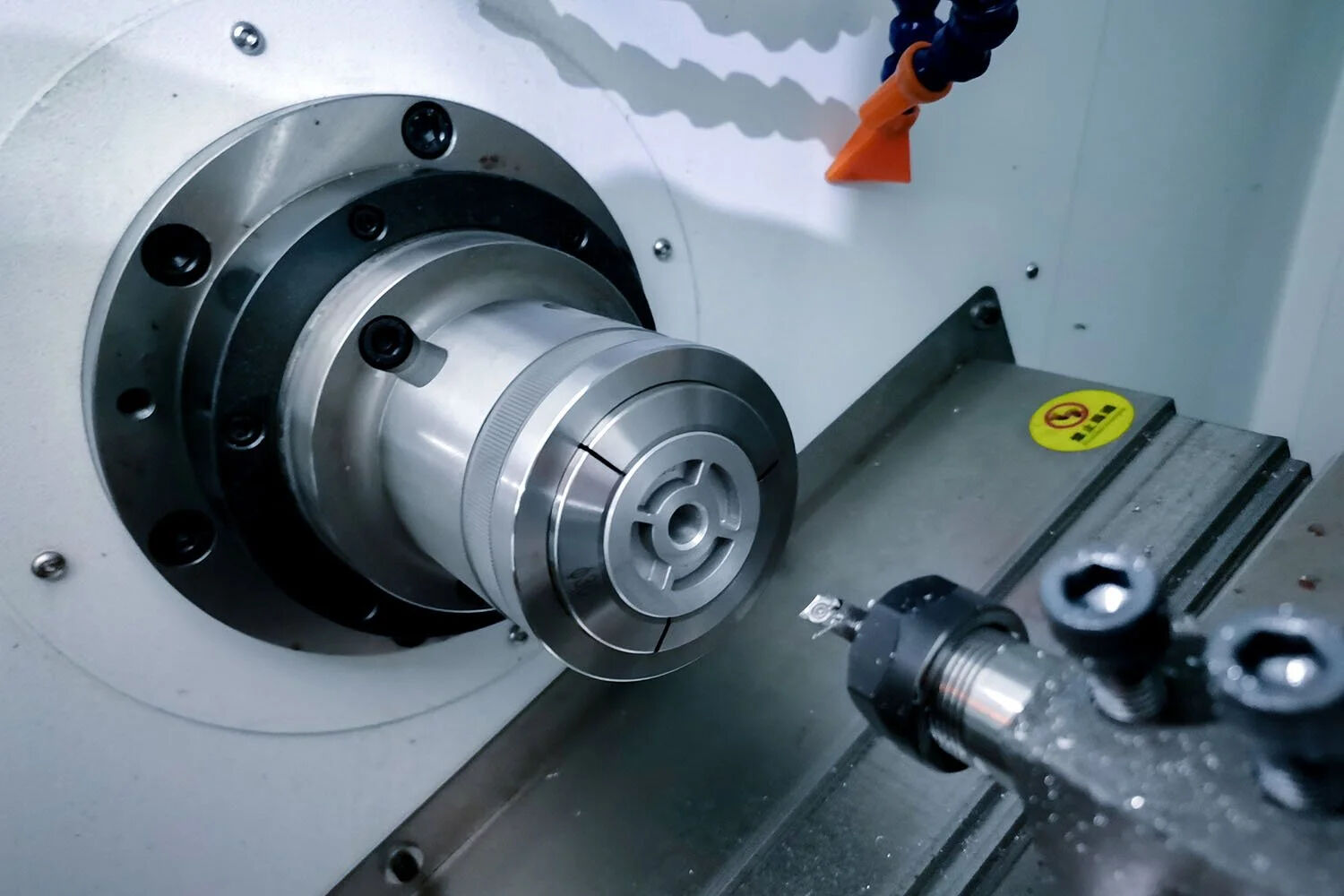
ЗАЩО Машини за въртене на CNC Са критично важни за производството на аерокосмически компоненти
Спазване на допуски под микрона за части с критично значение за безопасността (напр. турбинни вала, горивни дюзи)
Точността е абсолютно критична в аерокосмическото производство. Дори минимални отклонения под 5 микрона могат да доведат до катастрофа за компоненти, работещи в сурови условия. ЧПУ-токарните машини се справят с тази задача благодарение на здравата си конструкция и онези сложни системи за обратна връзка в затворен цикъл, които осигуряват точност от около 0,001 мм при високи скорости на въртене. Вземете например турбинните валове, които се въртят с 15 000 об/мин. Без такава точност ще възникнат сериозни проблеми с балансирането, което води до пълен отказ. Горивните дюзи също изискват почти перфектно подравняване — концентричност от около 0,005 мм или по-добра; в противен случай разпрашаването на горивото се нарушава и ефективността на горенето намалява. И числата потвърждават това: детайлите, произведени на ЧПУ-токарни машини, отговарят на около 98,7 % на изискванията на стандарта AS9100D, значително по-висок процент от 82 %, постигнат с по-старите технологии. Защо? Защото тези машини са оборудвани с вградени измервателни устройства, които откриват грешки още преди те да възникнат. Тази автоматизация намалява разходите за поправки с около 740 000 долара годишно в производствените линии, според „Доклада за аерокосмическото производство“ от миналата година.
Машинна обработка на труднообработваеми аерокосмически сплави: титан, инконел и високопрочни алуминиеви сплави
Съвременните CNC токарни машини решават предизвикателствата при обработката на издръжливи аерокосмически сплави чрез специализирани режещи пътища, по-ефективни методи за охлаждане и интелигентни системи за управление. При работа с титан (Ti-6Al-4V) машинистите разчитат на контролирани стъпкови движения за рязане заедно с високонапрежено охлаждащо средство, подавано през самия резец (около 1000 psi или повече), за да се запази ниска температура, преди метала да стане по-труден за рязане. За Inconel 718, който запазва висока якост дори при нагряване над 700 °C и поддържа усукващо напрежение над 1000 MPa, керамичните режещи инструменти с определени ъгли помагат за запазване на острия ръб въпреки експозицията към температури до 650 °C. Замяната на титан с високоякостен алуминий намалява теглото с около 40 %, без да се компрометират структурните свойства. Най-новото CNC токарно оборудване включва адаптивни контроли на въртящия момент, които предпазват от внезапно счупване на инструмента при работа с материали с променлива съпротива. Сензорите за вибрации в реално време коригират скоростта на шпиндела само за половин секунда, удвоявайки трикратно живота на инструмента и намалявайки производственото време с две трети за сложни части от Inconel, използвани в камери за горене.
Машини за въртене на CNC в автомобилното производство: балансиране на високата ефективност при голям обем и точността на компонентите
Осигуряване на доставки точно навреме чрез повтаряема точност за компоненти на двигатели и трансмисии
ЧПУ-токарните машини са ключов елемент в производствените процеси за автомобилна промишленост по принципа „точно навреме“. Тези машини могат да постигнат изключителна прецизност на микронно ниво за важни компоненти на двигатели и скоростни кутии, като колянови валове и корпуси на клапани. Когато поддържат допуски около ±0,01 мм в рамките на големи серийни производствени партиди, това предотвратява възникването на дефекти, които биха спрели напълно монтажните линии. Постоянството на качеството означава, че автомобилните производители могат да синхронизират производствените си графици с реалните сигнали за клиентска търсеност, спестявайки приблизително 25–30 % от разходите за инвентар, както и намалявайки необходимостта от големи складови помещения. Съвременните конфигурации често включват роботизирани товарни устройства, автоматични сменящи устройства за режещи инструменти и системи за производствено изпълнение (MES), които свързват всички компоненти помежду им – всичко това работи за ускоряване на процесите, така че детайлите да пристигат точно когато са необходими на производствения под.
Сравнение на CNC токарни машини и конвенционални токарни станции по отношение на разходи, време за цикъл и качество на повърхността
При разглеждане на различните възможности за токарни машини автомобилните производители трябва да балансират текущите си разходи срещу икономиите, които ще постигнат по-късно. Традиционните токарни машини са по-евтини при първоначалната покупка, обикновено между 20 000 и 100 000 щ.д., но те силно зависят от квалифицирани работници, които ги настройват ръчно. Това често води до несъответствия в гладкостта на повърхностите и в правилността на съвместяването на компонентите, особено при изработване на сложни форми. От друга страна, CNC токарните машини имат значително по-висока първоначална цена — обикновено в диапазона от 150 000 до 500 000 щ.д. Въпреки това те намаляват времето за производство с около 40–60 % спрямо традиционните методи. Освен това те осигуряват изключително последователни повърхностни финишни обработки със стойности на неравността под 0,8 микрометра. Допълнително, при увеличаване на обемите на производството разходите за единица продукция намаляват значително. Автоматизираният характер на CNC машините означава, че са необходими по-малко хора за наблюдение на процесите, намалява се отпадъкът поради грешки и те могат да постигат тези строги допуски, които днешните моторни компоненти изискват. За предприятия, които управляват големи серийни производствени линии, където точността е от първостепенно значение, инвестициите в CNC технология се оказват изключително изгодни в целия производствен процес.
Ключови иновации, които подпомагат възможностите на съвременните CNC токарни машини
Мултизадачни CNC токарни машини: интегрирани фрезовъчни, свределни и Y-осеви живи инструменти
Най-новите CNC токарни машини с многозадачна функционалност обединяват фрезоване, свредене и онези модерни живи инструменти с Y-ос, всички в рамките на една и съща фиксация на детайл. Това означава, че няма нужда от преместване на части между различните операции, което помага за поддържане на строгите геометрични допуски до около 0,001 инча. За необичайно формирани аерокосмически фитинги или сложни каросерии на автомобилни предавки това прави огромна разлика. Детайлите могат да бъдат напълно завършени само в една операция, вместо в множество отделни настройки. Производствените цехове съобщават, че операторите допускат около 70 % по-малко грешки, свързани с ръчното обработване на детайли, а производствените цикли се съкращават приблизително с 45 % при работа с тези сложни изделия. Живите инструменти позволяват рязане в посоки, които обикновените токарни машини просто не могат да достигнат, а използването на две шпиндели едновременно ускорява целия процес. Това намалява общото време от начало до край и осигурява по-голяма еднородност на детайлите, тъй като има по-малко точки, в които измерванията могат да се променят по време на производството.
Умно CNC точене: IoT мониторинг, предиктивно поддържане и адаптивни системи за управление
Съвременните CNC токарни машини, оборудвани с технологията Интернет на нещата (IoT), имат вградени сензори, които следят неща като вибрациите на машината, температурата на шпиндела, нивото на охлаждащата течност, циркулираща в системата, и моментите, в които инструментите започват да показват признаци на износване. Всичка тази информация постъпва в облачни платформи, където умно софтуерно решение забелязва малки промени в производителността дълго преди всъщност да се случи някакъв отказ. Тази система за ранно предупреждение намалява неочакваните спирания приблизително с две трети благодарение на тези прогнозни сигнали. При работа с труднообработваеми материали като Инконел тези машини автоматично коригират своите параметри – скоростта на подаване и скоростта на въртене на шпиндела – в реално време. Това помага да се предотврати скъпо струващото повреждане на инструментите, без да се жертва изключително финото повърхностно качество – около 0,2 микрона средна шерохватост, което е практически безупречно. Машинното обучение, лежащо в основата на всичко това, постоянно се подобрява с течение на времето, като учи от минали производствени серии и проверки на качеството. Фабриките съобщават за намаляване на отпадъците, изпращани на депозити, с приблизително една четвърт, както и за по-дълъг срок на експлоатация на инструментите, без загуба на точност. Това, което наблюдаваме днес, вече не е просто още едно машинно оборудване, а нещо напълно различно – мислещ и адаптиращ се компонент, разположен точно в сърцето на умните фабрики от новото поколение.
Често задавани въпроси
Въпрос 1: Какви са основните предимства на използването на CNC-токарни машини в аерокосмическото производство?
Отговор 1: CNC-токарните машини осигуряват прецизност в рамките на субмикронни допуски, което е от съществено значение за части, критични за безопасността, като например турбинни валове и горивни дюзи. Освен това те предлагат автоматизация, която намалява разходите за поправка и гарантира по-високо съответствие с отрасловите стандарти.
Въпрос 2: Как CNC-токарните машини обработват твърдите аерокосмически сплави, като титан и инконел?
Отговор 2: Тези машини използват специализирани режещи пътища, системи за охлаждане под високо налягане и адаптивни контролни системи, за да обработват ефективно твърдите сплави, като по този начин осигуряват продължителен срок на служба на режещия инструмент и прецизност при сложни детайли.
Въпрос 3: Какви предимства предлагат CNC-токарните машини пред традиционните токарни станци в автомобилното производство?
Отговор 3: CNC-токарните машини осигуряват по-висока прецизност, намаляват производственото време с 40–60 %, намаляват разходите за единица при големи обеми и изискват по-малко ръчно наблюдение, което води до по-еднородни и висококачествени детайли.
Въпрос 4: Как умната CNC-технология подобрява работата на машините?
A4: Умните CNC машини използват Интернета на нещата (IoT) и предиктивно поддържане, за да намалят неочакваните простои, както и адаптивни системи за управление, за да осигурят оптимална производителност на инструментите и качество на повърхността.
Съдържание
- ЗАЩО Машини за въртене на CNC Са критично важни за производството на аерокосмически компоненти
- Машини за въртене на CNC в автомобилното производство: балансиране на високата ефективност при голям обем и точността на компонентите
- Ключови иновации, които подпомагат възможностите на съвременните CNC токарни машини
- Често задавани въпроси