
 EN
EN
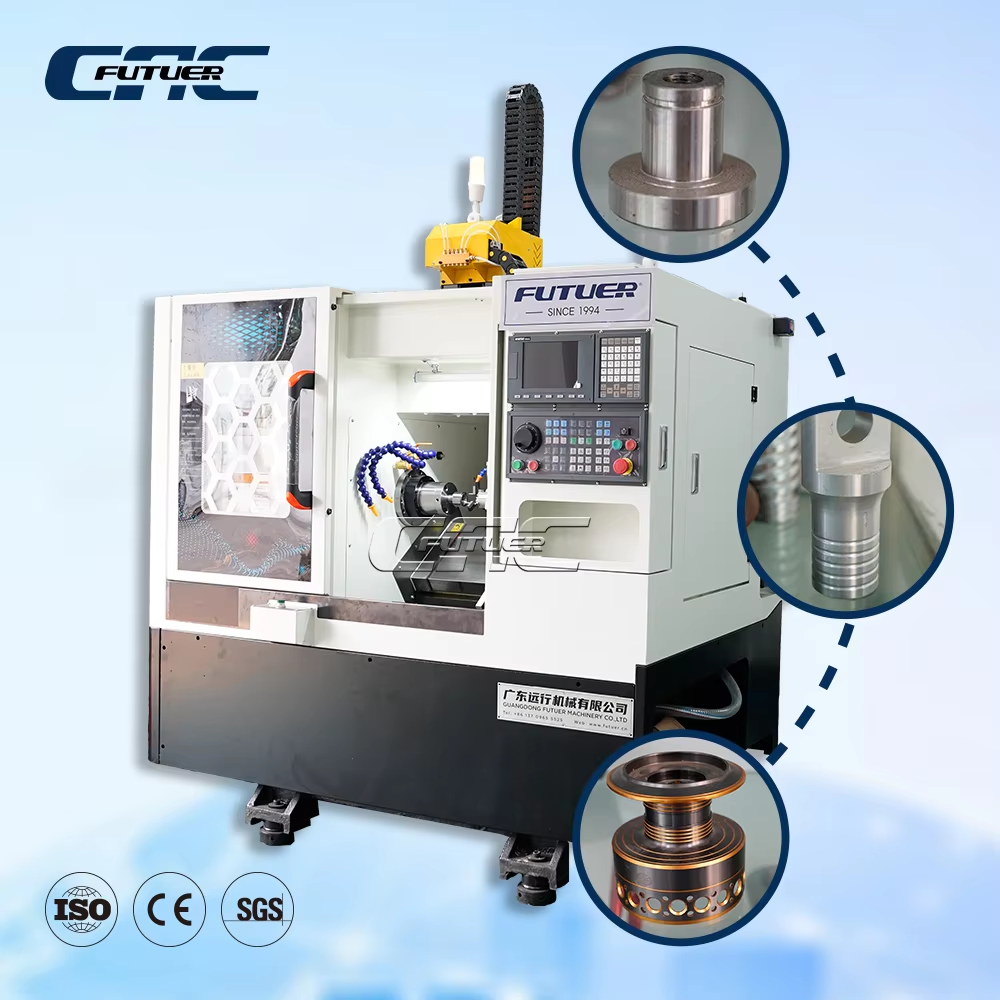
Slant Bed Design and Its Impact on Chip Removal Efficiency
How the inclined structure promotes natural chip flow
Slant bed lathes have this special angle usually somewhere around 30 to 45 degrees that actually works with gravity instead of fighting against it when it comes to getting rid of chips. Flat bed machines are different because all those metal scraps just pile up right where the cutting happens. But with the sloped setup on these slant beds, there's basically a built in channel for the debris to follow. The chips naturally roll down away from whatever is being worked on and straight into whatever system collects them. No need for someone to constantly clean things out manually. This makes a big difference since tangled chips can really mess with how accurate the machining ends up being.
Gravity-assisted evacuation reduces clogging and operator intervention
Studies conducted by Machinery Systems back in 2023 found that slant bed lathes equipped with gravity fed chip removal systems cut down on manual cleaning tasks by around 40 percent when compared against traditional flat bed designs. These systems work by moving chips away from critical parts like guide rails and those pesky ball screws. This creates a constant path for chip evacuation which cuts down on recutting problems. And let's face it, these recutting issues account for about 92% of all chip related machine interruptions in standard equipment setups. What does this mean practically? Operators get to spend less time scraping chips off everything and more time actually watching what's happening with their machines instead of constantly cleaning them out between jobs.
Comparison with flat bed lathes: Why slant beds outperform in chip management
| Performance Metric | Slant Bed Lathe | Flat Bed Lathe |
|---|---|---|
| Chip Evacuation Efficiency | 92% reduction in recutting incidents | Frequent manual intervention required |
| Operator Cleaning Time | 40% less manual cleaning (Machinery Systems 2023) | Regular production interruptions |
| Surface Finish Consistency | Improved Ra values by 1.2–1.8µm | Inconsistent finish due to chip interference |
Design variations in slant bed lathes and their influence on debris clearance
Most slant bed lathes typically have an angle somewhere between 30 degrees and 45 degrees, but certain jobs actually work better with custom angles. When dealing with materials that make those long stringy chips, like aluminum or steel, going for a steeper angle around 45 degrees really helps things move along smoothly. On the flip side, when working with stuff that breaks apart easily such as cast iron, a shallower setup at about 30 degrees tends to handle all those little fragments much better. Manufacturers also find that adding conveyor belts inside these machines plus carefully planned coolant paths makes a big difference in keeping everything clear of debris. This means less downtime and smoother operation when running through large batches of parts over long periods.
Coolant and Chip Flow Synergy in Slant Bed Lathe Operations
Integrated coolant systems enhancing continuous chip removal
Slant bed lathes these days come equipped with coolant delivery systems that work really well with the machine's angled design. When looking at these machines, the sloped base actually creates a path where coolant and metal chips can naturally run down towards where they get collected. The system uses pressurized coolant to wash away all those tiny bits of metal during cutting operations. At the same time, gravity does most of the heavy lifting too, pulling everything away from sensitive parts of the machine. What this means in practice is fewer problems with chips piling up inside the machine, less chance of having to cut the same spot multiple times accidentally, and overall better performance when running production jobs for extended periods without interruption.
Optimized coolant delivery for thermal control and improved surface finish
Coolant nozzles positioned precisely at hot spots where the tool meets the workpiece can significantly improve how heat is managed during machining operations. Studies from Machining Science in 2023 found these targeted systems cut down cutting temperatures by around 40% when compared with old fashioned flood cooling techniques. When heat gets dissipated properly and chips are removed without obstruction, it actually makes a real difference in surface quality too. Surface finishes typically get better by about 2 to 3 Ra points, which matters a lot for many applications. What's more important is that keeping temperatures stable prevents the workpiece from expanding due to heat changes. This stability helps keep those tight manufacturing tolerances intact across entire production batches, something that manufacturers really care about for quality control purposes.
Reducing Tool Wear Through Efficient Chip Evacuation
Minimizing Chip Recutting: A Key Factor in Extending Tool Life
When old chips stay stuck in the cutting area and get picked up again by the tool, it creates extra heat and speeds up tool wear. That's why slant bed lathes work so well for this problem. They let gravity do most of the work, pulling away chips right as they form. Getting rid of those chips fast keeps the cutting edge sharp and maintains good cutting conditions throughout the process. The result? Tools last much longer and perform more consistently over time, which saves money and reduces downtime in production shops.
Lower Heat Buildup and Vibration Due to Unobstructed Chip Flow
When chips can drop freely away from where the cutting happens, the slant bed setup actually cuts down on heat buildup and protects the cutting tools from too much thermal stress. The free flowing chips help reduce those annoying vibrations and chatter that often lead to tiny cracks forming along edges or corners getting damaged. Keeping things steady during cutting makes the tools last longer and helps produce parts that stay consistently good quality even when machines run for hours at a time or operate at higher speeds than normal conditions would allow.
Empirical Evidence: Up to 30% Longer Tool Life in Real-World Testing Environments
Tests done in actual shop environments show that when chips get evacuated efficiently from slant bed lathes, tools last about 30% longer during those big production runs. A recent machining performance study from 2023 backs this up, pointing out that better chip management means less heat buildup and wear on cutting tools over time. This makes sense because machines designed with good chip evacuation systems naturally protect their tools longer. For manufacturers concerned about both cost savings and environmental impact, these findings highlight why investing in proper machine design pays off in the long run for sustainable operations.
Operational Benefits: Reduced Downtime and Maintenance Costs
The advanced design of slant bed lathes supports leaner, more cost-effective operations by minimizing unplanned stoppages and lowering maintenance demands. Efficient chip evacuation reduces the frequency of cleaning cycles and protects critical components—including guideways, ball screws, and spindle assemblies—from abrasive damage caused by chip accumulation.
Less frequent cleaning and lower risk of machine damage
When metal chips get properly routed into conveyors or collection bins instead of piling up everywhere, factory workers don't have to waste hours scraping them off floors and machinery. The savings go beyond just money spent on labor though. Workers avoid getting exposed to those sharp edges and hot surfaces that eventually wear down parts or throw things out of alignment. For shops running at full capacity day after day, keeping that steady stream of chips moving makes all the difference. Machines last longer without surprise failures because everything stays aligned where it should be. Most plant managers know from experience that a little extra attention to chip management pays off big time in maintenance costs down the road.
Improved reliability and uptime in high-volume production settings
The automotive and aerospace sectors really benefit from slant bed lathes because when machines stay running nonstop, it means better bottom line results for the whole operation. These particular machines handle chips much better than traditional models, so there are fewer stops during production cycles which leads to steadier product quality across batches. Some research suggests good chip handling might cut down unexpected machine stops by around 30 percent while saving about 25% on maintenance bills too. Of course, actual savings depend on how well everything else is managed alongside this equipment. Still, most plant managers see investing in slant bed technology as smart move if they want their operations to run smoothly day after day without breaking the bank on repairs.
FAQ Section
What is the angle range for slant bed lathes?
The angle for slant bed lathes typically ranges between 30 degrees and 45 degrees, depending on the specific needs of the job and the type of material being machined.
How does the slant bed design improve chip removal?
The slant bed design uses gravity to facilitate smooth chip evacuation. The inclined structure allows chips to roll down and away from the workpiece, which reduces manual cleaning and improves machining accuracy.
Why is coolant important in slant bed lathe operations?
Coolant systems enhance chip removal by working in synergy with the slant bed's angled design, cooling hotspots efficiently, and preventing chips from obstructing the cutting process.
What are the benefits of reduced chip recutting?
Reducing chip recutting minimizes heat buildup, prolongs tool life, and ensures consistent quality in part production, providing significant cost savings over time.
How do slant bed lathes reduce downtime?
Slant bed lathes minimize downtime by efficiently managing chips, reducing the frequency of cleaning cycles, and lowering the risk of machine damage due to chip accumulation.