
 EN
EN
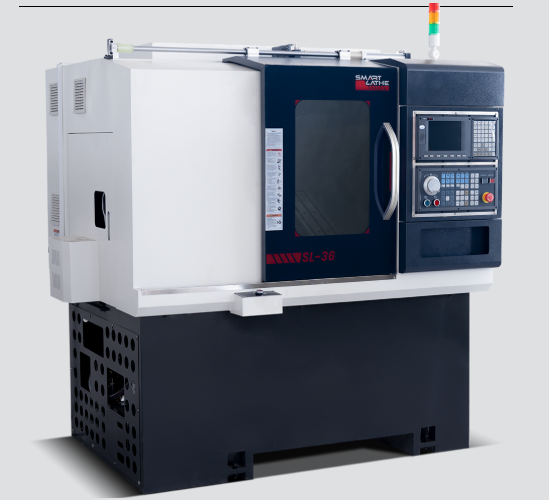
The Engineering Advantage of Slant Bed CNC Lathe Design
How the Slanted Bed Structure Enhances Rigidity and Vibration Damping
CNC lathes with slanted beds generally have better structural strength than those with flat beds. The angle, usually around 30, 45, or sometimes 60 degrees, creates a sort of triangle shape underneath that makes the whole machine much stiffer. When cutting at high speeds, this extra stability means less vibration, something that really matters when trying to maintain tight tolerances and keep tools from wearing out too fast. Some testing has found these slant bed machines can dampen vibrations about 40 percent better than their flat bed counterparts. For machinists, this translates into smoother finishes on parts and dimensions that stay consistent across production runs.
Design and Geometric Benefits at 30°, 45°, and 60° Angles
Different slant angles offer distinct benefits depending on what kind of machining work needs to get done. When set at around 30 degrees, the setup helps chips move away from the cutting area better, which makes things run smoother for operators working on the machine. The 45 degree angle is probably the most common one out there because it gives decent rigidity without taking up too much shop floor space. That's why so many folks go with this option when they need something versatile enough for everyday tasks. For really tough jobs though, especially those big cuts required in aircraft parts production where massive amounts of force come into play, going with the 60 degree slant makes all the difference. Shops can pick whichever angle works best given their particular workload requirements and how much room they actually have available in their workshop spaces.
Slant Bed vs. Flat Bed CNC Lathes: Accuracy, Stability, and Cutting Performance Compared
When it comes to performance, slant bed CNC lathes generally beat their flat bed counterparts across several important factors. These machines typically have around 25 to maybe even 30 percent more structural rigidity, which means they can handle faster metal cutting speeds while still keeping things accurate. The way these machines are built gives them better stability, so most shops report getting really tight tolerances from them, often hitting repeat measurements within plus or minus 0.001 millimeters. Another big plus is how they deal with chips during operation. Because of gravity working in their favor, slant beds clear away those pesky metal scraps much quicker than flat beds do. This makes a real difference when running non-stop production lines, as factories see roughly half the downtime needed for cleaning and maintenance compared to traditional setups. Over time, this translates into much better overall equipment effectiveness numbers for manufacturing operations.
Superior Machining Accuracy Through Structural and Thermal Stability
Role of Linear Guideways and Ball Screws in Precision Control
The precision we see in slant bed CNC lathes comes down to those advanced linear guideways paired with quality ball screws. These parts create minimal friction while keeping positioning rock solid. When these components team up, they keep tool paths accurate and get rid of that annoying backlash problem, so operators can count on consistent output even when running complicated multi axis jobs. And let's not forget about the machine's sturdy frame construction. This whole package stands up against deflection when loads are applied, making it possible to hold tight tolerances throughout extended production cycles without compromising quality.
Achieving Tight Tolerances: Case Study in Medical Component Manufacturing
Medical manufacturing demands incredible precision, sometimes down to just half a thousandth of an inch. For this reason, slant bed CNC lathes have made a real difference in the industry. A company making orthopedic implants recently switched to slant bed machines featuring special thermal stability systems. These kept the temperature stable during machining, staying within half a degree Celsius throughout the process. When combined with the machine's solid construction, this setup cut down on size variations by nearly two thirds compared to traditional flat bed lathes. What's more, they got surface finishes under 8Ra right off the machine without needing any extra polishing work. Scrap rates dropped by almost half, and now they can manufacture titanium implants with positioning accuracy better than 2 microns across the board.
Spindle Power, Axis Repeatability, and Performance in High-Demand Applications
Today's slant bed lathes come equipped with powerful spindles that maintain rotational accuracy down to about 1 micron while still packing over 40 horsepower. These machines handle really tough stuff like Inconel and titanium without breaking a sweat. When paired with those precision axis drives, they deliver repeatable results most of the time, usually staying within around ±0.0001 inches on all axes. The best part? They have built-in thermal compensation systems that tweak themselves as temperatures change throughout long production runs. For shops working on aerospace parts where they need to remove material quickly but still hit those tiny tolerances, slant bed lathes are practically indispensable. They strike that perfect balance between raw cutting power and the kind of fine detail work that keeps quality control managers happy.
Optimized Chip Removal and Workshop Cleanliness
Gravity-Assisted Chip Flow: Reducing Build-Up and Downtime
Slanted bed designs take advantage of gravity to move chips away from where the actual cutting happens. This helps avoid chip buildup that causes machine stops and bad surface finishes on parts. Flat beds tend to let chips pile up around whatever is being worked on, but an angled base naturally guides those chips right into collection bins. The result? Fewer chips getting cut again, which saves wear on expensive cutting tools and keeps operations running smoothly without constant interruptions. Shops that switch to this setup often see better productivity numbers and their tools last longer between replacements too.
Integrated Conveyors and Enclosed Coolant Systems for Cleaner Operations
Most modern slant bed lathes come equipped with automatic chip conveyors along with completely sealed coolant systems that keep work areas clean and accident free. The conveyors move those metal scraps right into central collection bins, so workers don't have to handle them manually and risk getting cut by sharp edges. When it comes to coolant, the enclosed systems stop messy splashes while making sure the filters work better. Plus they let shops reuse their cutting fluids instead of constantly buying new ones, which cuts down on waste and saves money over time. What's really important though is how these systems help keep everything stable during machining operations. For companies working on parts that need exact measurements, like in medical device production or aircraft components, even small variations can be a big problem. That's why having consistent conditions throughout the process makes all the difference.
Maximizing Productivity with Multitasking and Automation
Sub-Spindles and Turn-Mill Integration: Completing Parts in One Setup
The latest generation of slant bed lathes equipped with turn-mill functions and sub-spindles allows manufacturers to fabricate entire parts during one setup process. What this means is fewer steps overall since there's no need for those extra operations that usually come after machining. Handling mistakes drop significantly too, and production runs finish faster than before. These machines handle everything from basic turning work to complex milling tasks, plus drilling and tapping all without moving the part around. For shops dealing with lots of different products in small batches, these machines are game changers because they cut down on the time wasted switching between different machines for each operation.
Reducing Cycle Times and Floor Space with Turn-Mill Centers
Turn-mill centers consolidate multiple processes into one platform, reducing cycle times and minimizing factory footprint. By replacing two or three standalone machines, these systems can reduce floor space utilization by 30–50% (Manufacturing Efficiency Report 2023). This compact efficiency lowers overhead costs and simplifies workflow management, particularly in space-constrained facilities.
Enabling Lights-Out Manufacturing Through Automation
Automation-ready slant bed lathes support lights-out manufacturing through robotics, pallet changers, and automated material handling. These systems operate unattended for extended periods, maximizing machine utilization. Industry data indicates that manufacturers using automation achieve up to 35% higher equipment utilization and reduce labor costs per part by 40% (Production Automation Study 2023).
Balancing Initial Investment and Long-Term ROI in Automated Slant Bed Systems
Automated slant bed systems definitely cost more initially, but most manufacturers find that these machines pay for themselves over time thanks to reduced labor expenses, better product consistency, and faster overall production rates. The return on investment usually comes around somewhere between 18 and 36 months give or take, though this varies quite a bit based on how much material is being processed and how complex the parts are. Getting good results really depends on picking the right kind of automation for what the shop actually needs right now. Some operations start simple with just robotic loaders while others might need full conveyor systems or even complete pallet handling solutions. The key is matching the automation level to both present requirements and where business expansion might take things down the road.
Applications Across Automotive, Aerospace, and Medical Manufacturing
Slant bed CNC lathes excel in industries demanding high precision, reliability, and flexibility, including automotive, aerospace, and medical device manufacturing. Their robust construction and superior vibration control make them ideal for producing complex, high-tolerance components under rigorous standards.
Meeting Industry-Specific Demands with Precision and Flexibility
Slant bed lathes play a big role in making transmission gears and engine parts for cars, since these components need exact measurements and lasting strength. The aerospace industry also depends heavily on these machines when crafting turbine blades and other structural elements that face intense pressure during flight operations. For medical device companies, slant beds are particularly valuable because they can consistently reproduce complex shapes needed for surgical tools and implantable devices. When doctors operate on patients, even tiny variations at the micrometer level matter a lot. What makes these lathes so versatile is their capacity to work with all sorts of materials ranging from lightweight aluminum alloys through tough titanium metals right up to specialized plastics used in healthcare settings. This adaptability explains why manufacturers across different sectors keep turning back to slant bed technology despite newer alternatives entering the market.
Advantages in High-Mix, Low-Volume Production Environments
Slant bed lathes work really well in those shops that deal with lots of different products but not huge quantities at once. The setup time is fast, and they come with all sorts of automation features that can be tweaked as needed. When switching from one part to another, these machines maintain their accuracy level, which means manufacturers can handle those smaller runs and special orders efficiently. What sets them apart is this combination of being precise while still adaptable enough to handle whatever comes next. That's why many prototype shops and companies doing research and development find them so useful, especially when what matters most isn't how many parts get made but rather how varied those parts need to be.
FAQ
Q: Why are slant bed CNC lathes preferred for high-speed cutting?
A: The slanted bed design increases structural rigidity and vibration damping, allowing for greater stability and reduced tool wear during high-speed cutting.
Q: What are the benefits of different slant angles in CNC lathes?
A: Slant angles like 30°, 45°, and 60° offer various advantages depending on machining needs, such as improved chip evacuation and compactness of the machine design.
Q: How do slant bed lathes compare to flat bed lathes in terms of performance?
A: Slant bed lathes generally exhibit superior performance in terms of structural rigidity, accuracy, and faster chip removal compared to flat bed lathes.
Q: How do modern slant bed lathes maintain cleanliness and reduce downtime?
A: With gravity-assisted chip flow and integrated systems, slant bed lathes minimize chip buildup, enhance tool life, and facilitate easier cleaning and maintenance.
Q: What makes slant bed lathes ideal for industries like aerospace and medical manufacturing?
A: Their precision, adaptability to different materials, and ability to produce complex, high-tolerance components are crucial for automotive, aerospace, and medical device manufacturing.
Table of Contents
-
The Engineering Advantage of Slant Bed CNC Lathe Design
- How the Slanted Bed Structure Enhances Rigidity and Vibration Damping
- Design and Geometric Benefits at 30°, 45°, and 60° Angles
- Slant Bed vs. Flat Bed CNC Lathes: Accuracy, Stability, and Cutting Performance Compared
- Superior Machining Accuracy Through Structural and Thermal Stability
- Optimized Chip Removal and Workshop Cleanliness
- Maximizing Productivity with Multitasking and Automation
- Applications Across Automotive, Aerospace, and Medical Manufacturing
- FAQ