
 EN
EN
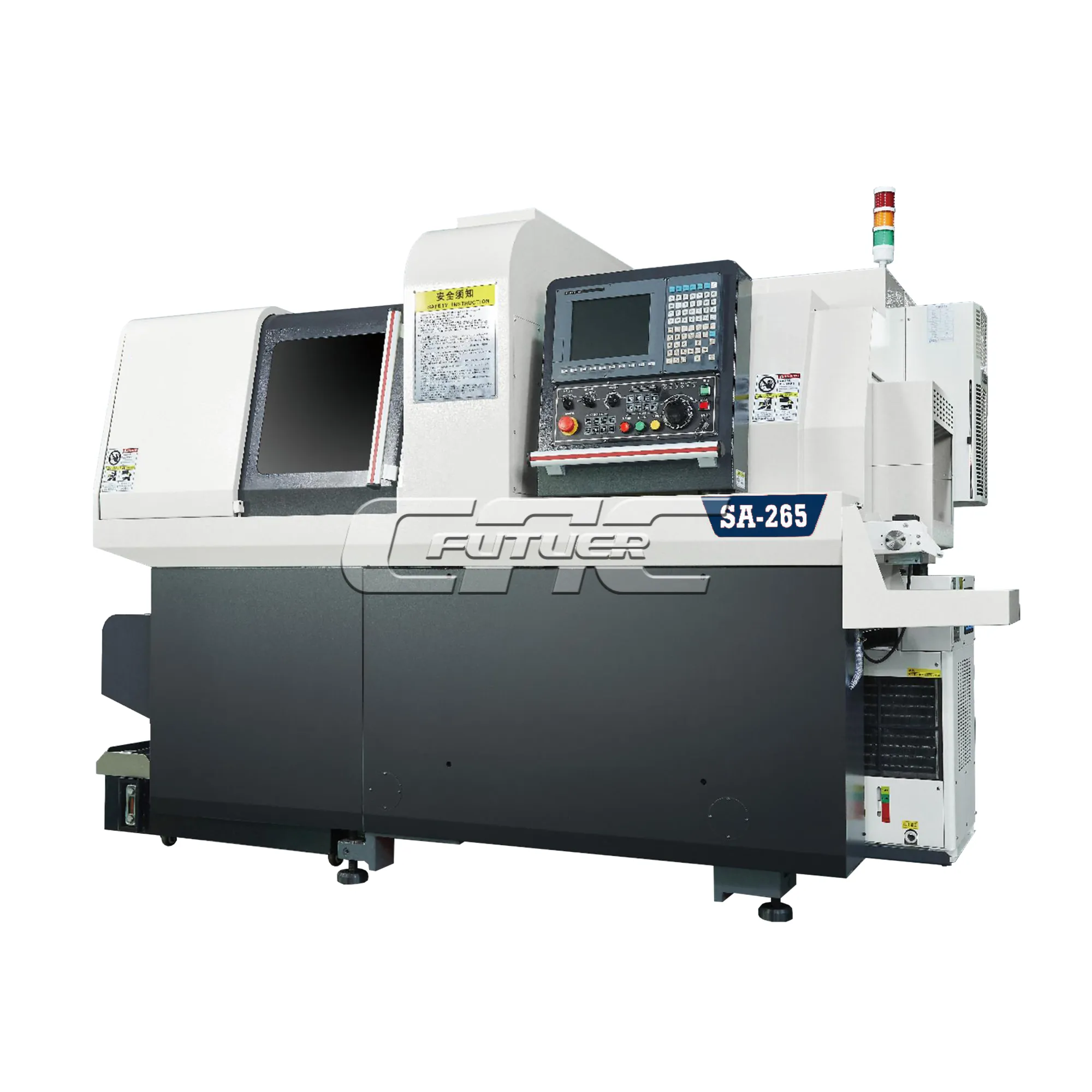
CNC Turning Machine: Unmatched Precision and Micron-Level Tolerance Control
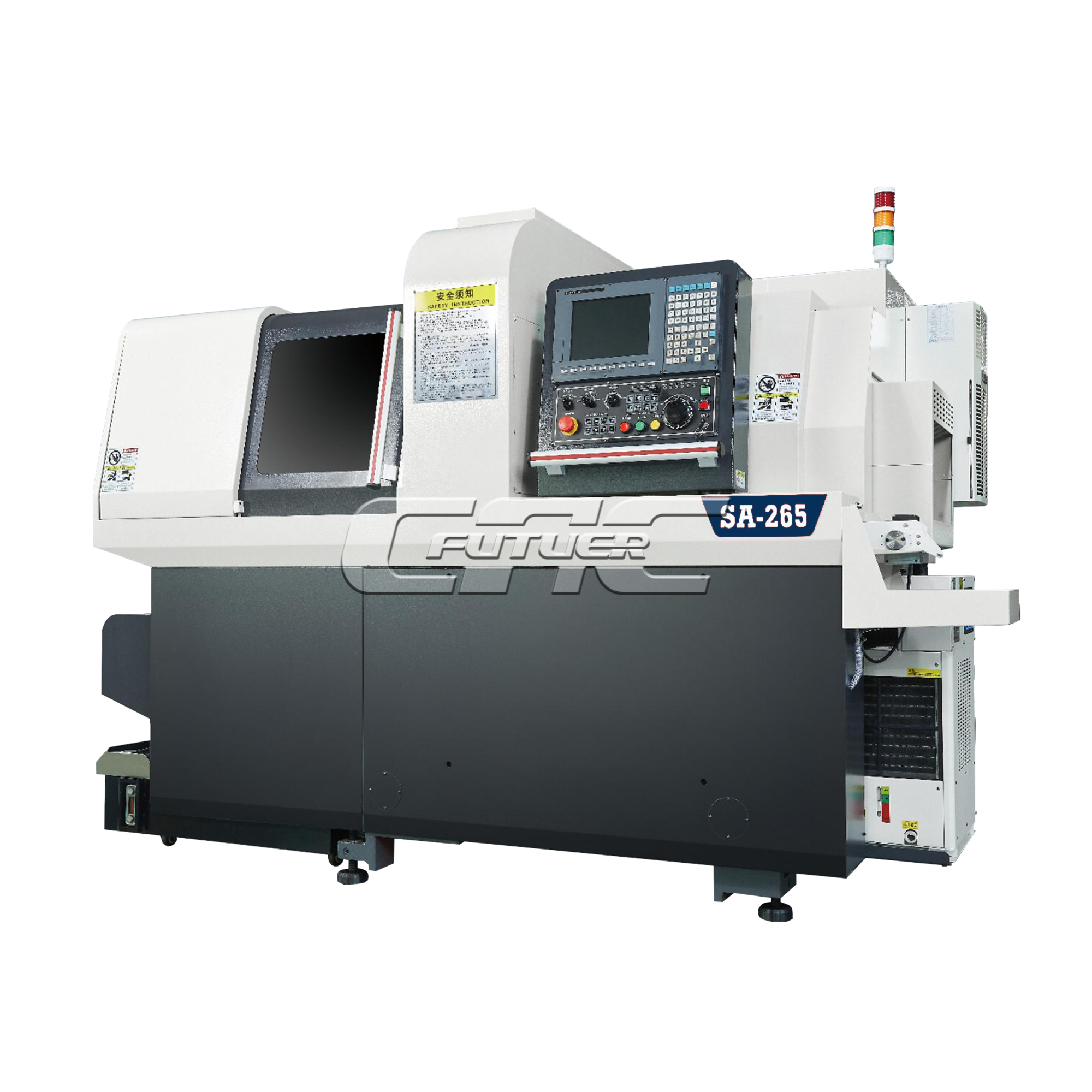
Today's computer numerical control (CNC) turning machines can reach incredible levels of precision thanks to their closed loop feedback systems and those fancy servo controlled spindles. The machine keeps an eye on where the cutting tools are positioned and how much force they're applying during operation. When things start to get warm or the machine bends just a little bit from all that pressure, these systems make automatic corrections so parts stay within really tight tolerances around plus or minus 0.005 millimeters. For stuff made in the aerospace industry such as turbine shafts, getting these measurements right matters a lot because if something's even slightly off size, it affects how air flows over surfaces and weakens the whole structure. Because these machines adjust themselves while running, operators don't have to stop production halfway through to check dimensions manually.
How Closed-Loop Feedback and Servo Spindles Enable ±0.005 mm Consistency
Encoder based servo spindles can achieve rotational accuracy down to about 0.0001 degrees, and when paired with high resolution linear scales these systems track tool movements in increments as small as 0.1 microns. The real time monitoring capability means any positional errors get corrected instantly, which is absolutely critical for applications where repeatability matters most. Take aerospace shaft production for instance, where manufacturers need to maintain tolerances around ±0.005 mm. These aren't just numbers on paper either they represent actual standards required for aircraft safety. When working with hardened alloys at high speeds, adaptive rigidity control comes into play. This feature helps stabilize the machine, reducing vibrations without compromising either surface quality or the overall geometry of the part being machined.
Real-World Validation: Aerospace Shaft Production at a Leading Manufacturer
One large aerospace plant brought in these special CNC turning machines with SPC capabilities for their titanium shaft production. The results? Rejection rates dropped around 60%, which was pretty impressive. The system constantly checks things like how round the parts are and their surface finish, so they meet those strict AS9100 requirements. What really matters is that because everything stays so consistent, workers can just assemble the parts right away without needing any extra finishing work. This cut down on production time by about 18 hours for each batch. Plus, it made everyone feel better about passing components between different stages of the manufacturing process.
Elimination of Human Variability Through Full CNC Turning Machine Automation
From Operator-Dependent Setups to Lights-Out, Unattended Operation
Old school manual machining brings all sorts of problems because operators get tired, make subjective calls, and follow procedures inconsistently. With modern CNC turning, all those issues disappear since machines follow precise digital paths for cutting. Speeds, feeds, everything gets standardized from one cycle to the next. Lights out operations take this even further by running nonstop through the night without anyone watching. The feedback systems keep tolerances tight at around plus or minus 0.005 mm, and they stay consistent no matter how long the machine runs. What we end up with is parts that look exactly the same each time. Not just similar parts, but truly identical copies whether making a few dozen or thousands of them across different production shifts.
Labor Efficiency Gains: 40%+ Reduction in Direct Labor Hours (SME 2023 Benchmark)
When factories go fully automated with things like robotic part loaders, fast tool changers, and built-in measurement systems, they need far less hands-on work from people. According to industry numbers from the SME 2023 report, plants that implement this kind of setup typically cut down on direct labor time by around 40%. The real boost comes from cutting out unnecessary setup steps, speeding up inspections that used to slow everything down, and letting a single tech monitor several machines at once instead of just one. What happens next is pretty interesting too. With all those saved man hours, workers can focus more on actual engineering problems and catching quality issues before they become big headaches, which actually makes the whole operation run better than just saving money on wages would suggest.
Scalable Repeatability and Batch-to-Batch Consistency
G-Code Standardization and Real-Time Tool Wear Compensation
The foundation of repeatability lies in G code, which serves as a digital blueprint detailing all machining parameters from how the spindle is positioned to when coolant gets turned on. Manual setup procedures tend to vary between different operators over time, but G code guarantees consistent results no matter which machine runs the job or who's operating it day after day. Modern systems now come equipped with built-in sensors that monitor tiny signs of tool wear while cutting actually happens. These smart sensors then tweak offset settings automatically as needed. The result? Dimensional accuracy stays above 98% throughout extended production cycles, and factories report around 43% less waste material compared to older techniques according to industry benchmarks published last year by SME.
Integrating Statistical Process Control (SPC) for Live Repeatability Monitoring
Statistical Process Control isn't just something done after the fact anymore. These days it lives right inside modern CNC turning centers. The machines themselves have sensors that pick up around 200 different measurements every single minute. They track things like how much heat affects materials, detect vibrations, and measure the actual cutting forces happening during operation. All this info gets fed into smart algorithms that spot problems long before they start messing with the final shape of parts. Traditional methods used to check only about 5 to 10 percent of what came off the line through manual inspection. But with constant monitoring from SPC, companies see a massive drop in defective products—about 68% fewer quality issues overall. What's more, factories can run these machines nonstop for well over three full days straight without anyone needing to watch them closely, even when making those intricate aerospace parts that demand such high precision.
Tangible Cost Reduction and ROI Acceleration with CNC Turning Machines
When it comes to CNC turning, the savings are pretty impressive. The technology actually turns precision from something that costs money into a real asset for businesses. With automated processes, there's far less wasted material. We're talking about scrap rates going down between 18 and 40 percent compared to older methods. And when machines run overnight without needing workers, companies save on labor expenses too, sometimes cutting those costs by more than 40%. Another big plus is how adaptive systems compensate for tool wear, which means inserts last longer. Cycle times get optimized as well, usually running about 25% faster than what manual setups can manage. For most shops, getting back the money spent on equipment happens within around three years. In places where they produce lots of parts, these efficiencies really matter because they stop problems like having to fix defective products, dealing with warranty issues, or facing production holdups. What starts as an expensive purchase becomes a lasting edge in the marketplace instead.
Agile Scalability: Faster Lead Times Without Sacrificing Part Complexity
Multi-Axis CNC Turning Machines: Merging Design Flexibility with High-Speed Output
The latest multi-axis CNC turning machines have pretty much done away with having to choose between fast production and complex geometries. These machines come equipped with live tooling capabilities, synchronized movement across both C and Y axes, plus those powerful high-speed spindles spinning at over 8,000 RPM. All this hardware allows for simultaneous operations including turning, milling, drilling, and threading within one setup. What does that mean practically? Parts with tricky asymmetric shapes, internal undercuts, or those complicated compound curves no longer require tedious manual repositioning during manufacturing. When manufacturers integrate these systems into their workflow, they often see lead times cut down anywhere from 30% to nearly half. Plus, there's less chance of accumulating tolerancing errors while maintaining tight ±0.005 mm precision even when working with tough materials like hardened alloys. For companies moving products from initial prototypes straight into mass production, this technology makes it possible to keep original design specifications intact without needing weeks of preparation first. Medical device makers creating threaded implants or automotive engineers producing turbocharger shafts find that each manufactured part matches perfectly against the previous ones in every dimension.
FAQ Section
What is CNC turning and why is it important?
CNC turning refers to the process where a computer numerical control system automates machining such as cutting, drilling, and milling, achieving high precision in manufacturing complex parts. It's important due to its ability to consistently produce parts with extremely tight tolerances.
How does closed-loop feedback improve precision in CNC turning?
Closed-loop feedback systems constantly monitor and adjust tool movements and forces, ensuring the machine stays within tight tolerances by correcting any positional errors instantly.
What role do encoder based servo spindles play in achieving production standards?
Encoder based servo spindles provide rotational accuracy, paired with high resolution linear scales, allowing for precise tool movement tracking and corrections essential for maintaining aerospace production standards.
How does automation impact labor efficiency in CNC turning?
Automation decreases the need for manual operations and direct labor hours, allowing machines to run without supervision, leading to significant labor efficiency improvements.
How are modern CNC turning machines reducing material waste?
Modern CNC turning machines, equipped with SPC and real-time monitoring, maintain high precision and accuracy resulting in lower scrap rates and material waste.
Can CNC turning machines handle complex part specifications quickly?
Yes, multi-axis CNC turning machines can produce complex geometries rapidly by combining several operations like turning, milling, and drilling in one setup, accelerating production without sacrificing precision.