
 EN
EN
Machine Capabilities: Matching CNC Turning Machine Specifications to Your Production Needs
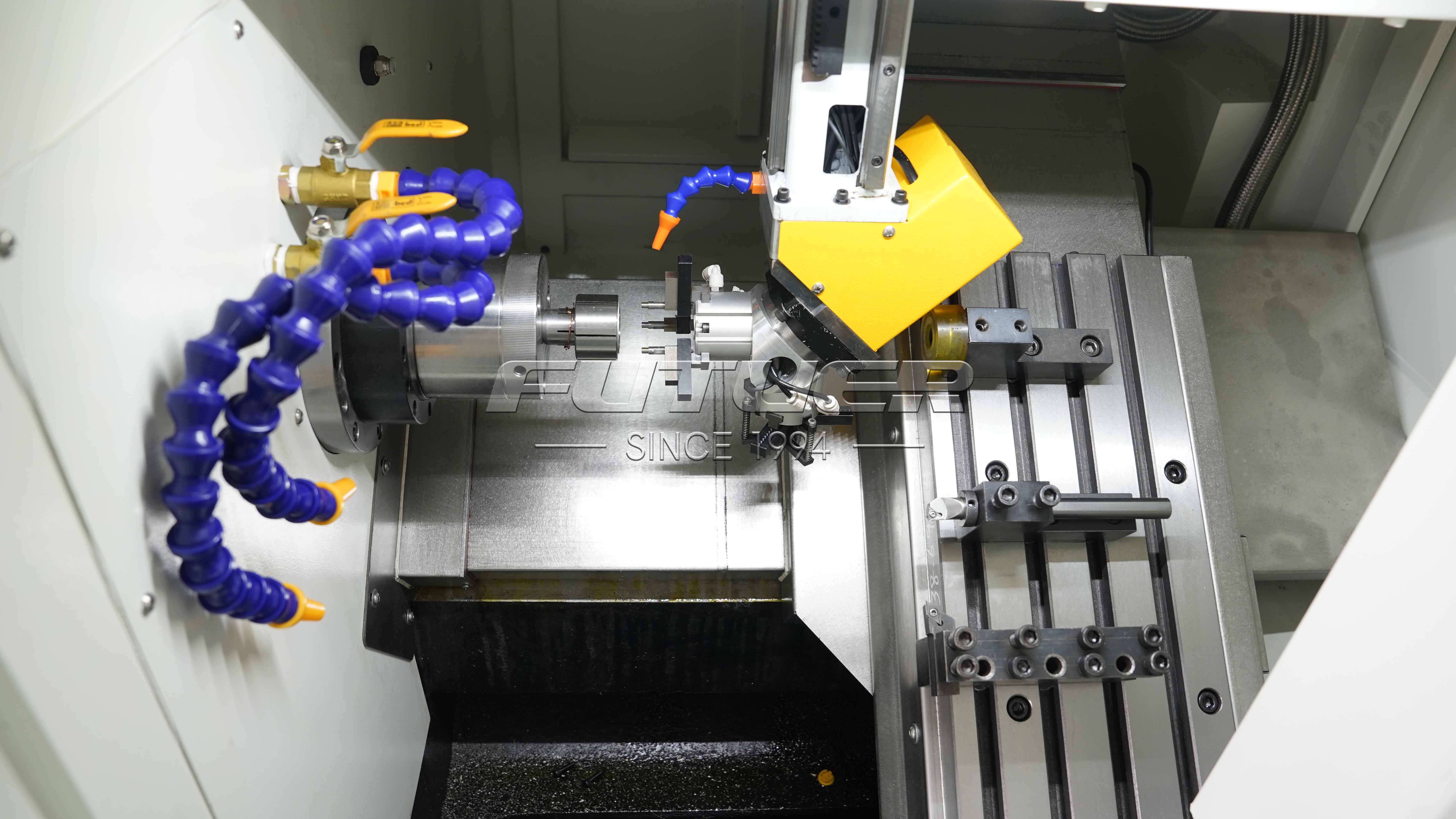
Spindle Power, Rigidity, and Control System Intelligence
The power of the spindle plays a big role in generating enough torque when cutting through difficult materials such as titanium or Inconel. Machines built with solid construction tend to resist vibrations better during those intense cutting sessions at high speeds or under heavy loads, which helps keep parts dimensionally accurate and maintains good surface finish quality. Modern control systems handle complicated G-code instructions pretty well, and some come equipped with smart software that actually predicts temperature changes before they happen, adjusting automatically so tolerances stay within about half a thousandth of an inch (that's ISO 2768 fine grade). All these elements work together to determine if a machining center can maintain consistent precision across large production runs without running into problems that require expensive fixes or unexpected stoppages on the factory floor.
Live Tooling, Y-Axis, and Sub-Spindle Integration for Multi-Operation Efficiency
When live tooling gets added to lathes, these machines transform into real multitaskers capable of doing all sorts of operations like milling, drilling, and even tapping at right angles to the main spindle. Throw in Y-axis movement and suddenly those machines can handle tricky shapes and features that aren't centered on the workpiece. Think about things like hexagonal flat surfaces or those complicated cross drilled holes that used to require moving parts around multiple times. With a secondary spindle attached, parts automatically move from one side to another during machining. This means both sides get worked on without needing to stop and reset everything, which cuts down on cycle time significantly. Some shops report reductions of around 60% or so depending on what they're making. For manufacturers dealing with lots of different part designs but not huge quantities, this setup really pays off. It basically removes the need for extra setups that often lead to mistakes when handling parts between operations. The result? Higher production rates and better quality control across all those varied components going through the machine shop.
Part Requirements: How Geometry, Material, and Precision Drive CNC Turning Machine Selection
Part Complexity and Material Type Dictating Lathe Class and Tooling Strategy
The shape of parts and how hard the material is basically decides what kind of lathe to use and which tools work best. Parts with deep inside features, weird shapes that aren't symmetrical, or those that are off center usually need advanced machines called multi-axis mill turn centers equipped with Y axis movement and live tools. When working with really tough metals over about 45 on the Rockwell scale, manufacturers typically go for machines with strong torque spindles, solid bed structures, and special carbide or ceramic inserts. For softer stuff like aluminum, faster spinning spindles make sense along with good systems to clear away chips efficiently. Getting the right cutting settings matched to what the machine can actually handle cuts down on production time significantly. Some shops report around a third less time spent per part, but this only happens when everyone understands both the equipment limitations and proper machining techniques.
Tolerances and Surface Finish Targets Influencing Machine Capability and Post-Processing
When working with tight tolerances around ±0.005 mm, thermal compensation becomes essential alongside linear scales and those high resolution feedback systems everyone talks about. For surface finishes under Ra 0.8 microns, manufacturers typically need vibration damped machine beds, precision ground ways, plus those ultra stable spindle bearings that keep everything running smooth. Components for aerospace or medical applications usually end up needing extra grinding or polishing after turning operations, which can eat up anywhere between 15% to 30% of the total processing time depending on how rough things start out. Commercial grade parts with ±0.05 mm tolerances work just fine on regular CNC turning centers without any need for secondary finishing steps. Looking at the bigger picture, investing in machines equipped with programmable surface speed controls and really fine feed resolutions down to 0.001 mm makes sense if we want to cut down on those pesky post processing costs no matter what production volume we're dealing with.
Operational Economics: Evaluating ROI, Volume Fit, and Total Cost of Ownership for Your CNC Turning Machine Investment
Break-Even Analysis: Balancing Setup Costs, Labor Savings, and Payback Timeline
The break even point for manufacturing operations depends mostly on three main things: what it costs to get started, how much money we save on labor, and how many products we can actually produce. Most companies find that about two thirds of their initial spending goes toward things like buying equipment, setting it up properly, getting all the tools ready, and training staff members. But there are savings too. When production volumes get high enough, automated systems cut down on manual work by roughly half, which means workers don't have to touch each item as often. Plus, better quality control reduces waste by around 15 to 25 percent because everything comes out more consistently. Once monthly output passes 5,000 units though, the math changes quite a bit. Fixed expenses spread out over more products, and those labor savings really start adding up since machines run longer without downtime. If the whole investment pays itself back within three years, that's generally considered pretty good return on investment, particularly if market demand stays steady rather than fluctuating wildly from month to month.
Cost Per Part Across Low-, Medium-, and High-Volume Scenarios
Low-volume production (<1,000 units/month) bears disproportionate setup costs per part. Medium volumes (1,000–10,000 units) achieve optimal balance between flexibility and efficiency. High-volume runs (10,000+ units) leverage full machine capacity—slashing per-part costs by up to 60% through economies of scale and minimized idle time.
Workforce Readiness and Support Ecosystem for Sustainable CNC Turning Machine Deployment
Getting good results from these machines isn't just about having the right equipment. People matter too, along with how things get done around here. According to Manufacturing Technology Insights back in 2023, nearly four out of five unexpected shutdowns in CNC turning machines come down to what operators don't know rather than anything broken mechanically. Training new staff covers basics like safety rules, simple programming stuff, and setting up the machine properly. But that's only part of the story. Real progress happens when workers keep learning, particularly when dealing with complex multi-axis work or figuring out better ways to optimize cutting paths. Regular checkups with maintenance partners really help too. Things like scheduled looks at spindles and watching bearings for wear can prevent problems before they happen. Shops that last longest tend to have techs who can handle multiple roles, clear written instructions so anyone can reproduce setups consistently, and systems in place for quick fixes when something goes wrong with rigidity or alignment. If companies skip investing in their people and supporting systems, all that fancy CNC technology ends up sitting there doing nothing but collecting dust instead of making real money for the business.
FAQs
What role does spindle power play in CNC turning machines?
Spindle power is crucial as it determines the torque necessary for cutting through challenging materials, ensuring dimensional accuracy and high-quality surface finishes, especially during high-speed or heavy-load operations.
How do live tooling and Y-axis movement enhance CNC machine efficiency?
Live tooling and Y-axis movement transform lathes into multitasking machines capable of performing multiple operations like milling, drilling, and tapping, thus significantly reducing cycle times and improving productivity.
What factors should be considered when selecting a CNC turning machine?
Consider the complexity and material type of the parts, required tolerances, surface finish targets, and overall operational economics when selecting a CNC turning machine.
How does production volume affect the cost per part in CNC machining?
The cost per part is largely influenced by production volume. Low-volume production incurs higher per-part costs due to setup expenses, while high-volume runs benefit from economies of scale, significantly reducing costs.
Table of Contents
- Machine Capabilities: Matching CNC Turning Machine Specifications to Your Production Needs
- Part Requirements: How Geometry, Material, and Precision Drive CNC Turning Machine Selection
- Operational Economics: Evaluating ROI, Volume Fit, and Total Cost of Ownership for Your CNC Turning Machine Investment
- Workforce Readiness and Support Ecosystem for Sustainable CNC Turning Machine Deployment
- FAQs