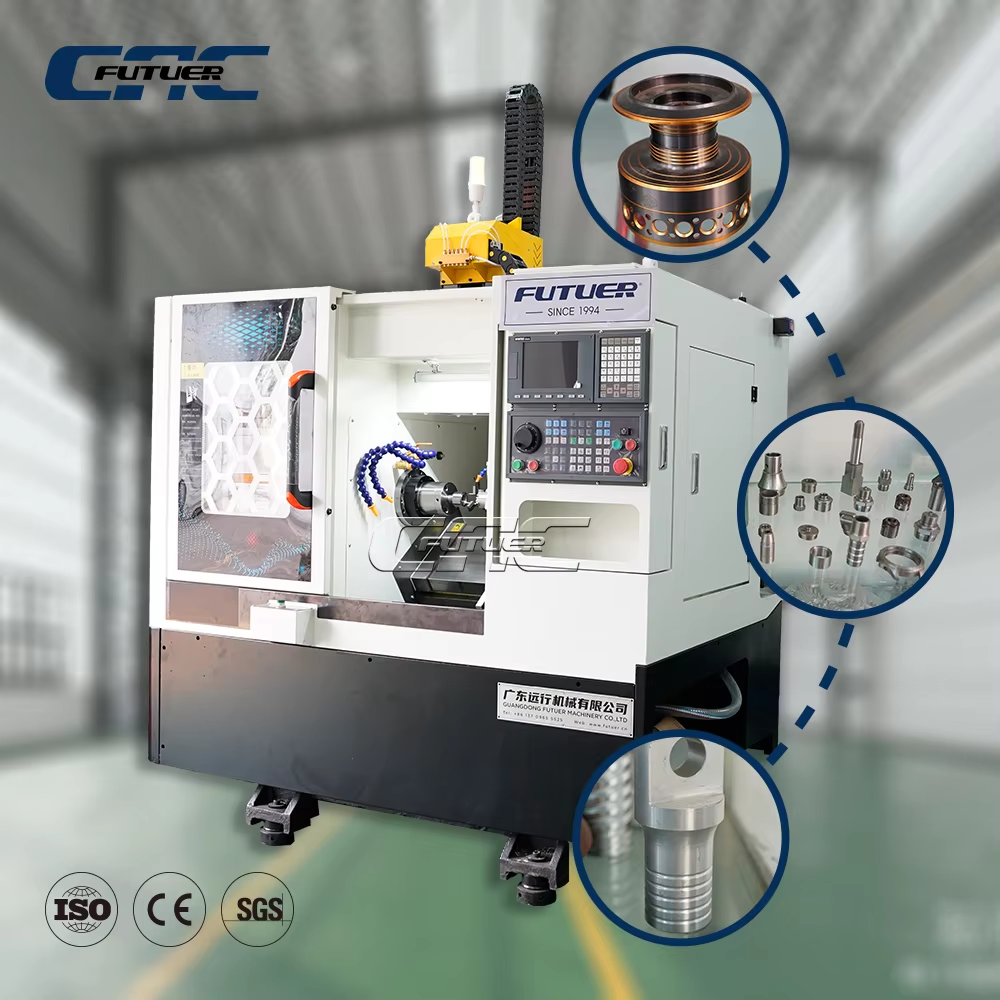
CNC Turning Machines as the Physical Foundation of Industry 4.0 Modern CNC Turning Machine systems form the operational backbone of Industry 4.0 by enabling unprecedented connectivity and intelligence. These advanced lathes transform raw material ...
VIEW MORE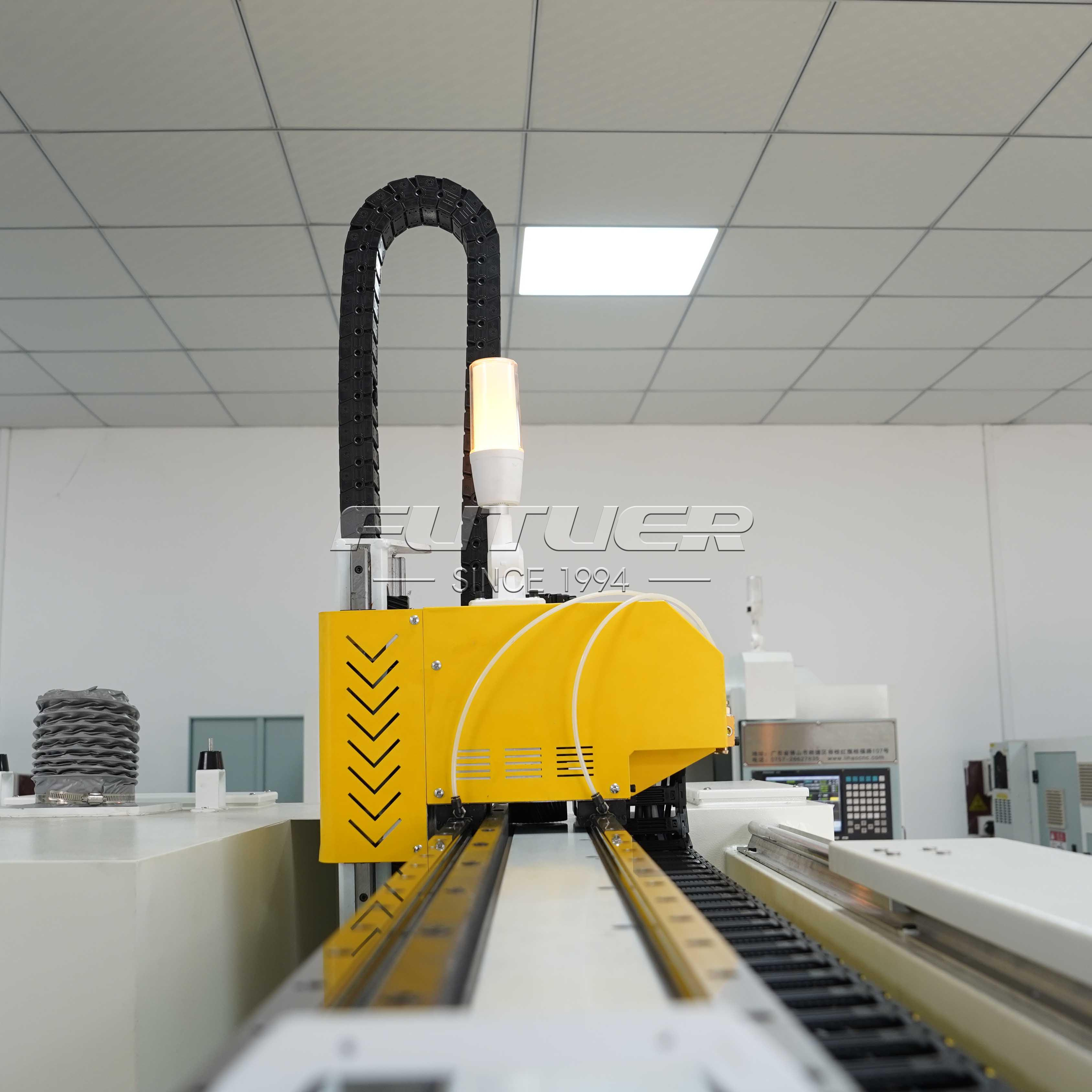
Core Productivity Drivers of CNC Turning Machine Automation Unattended Operation and Reduced Downtime CNC turning machines that are fully automated can run non-stop around the clock since they don't need people to swap shifts, handle parts, or do ...
VIEW MORE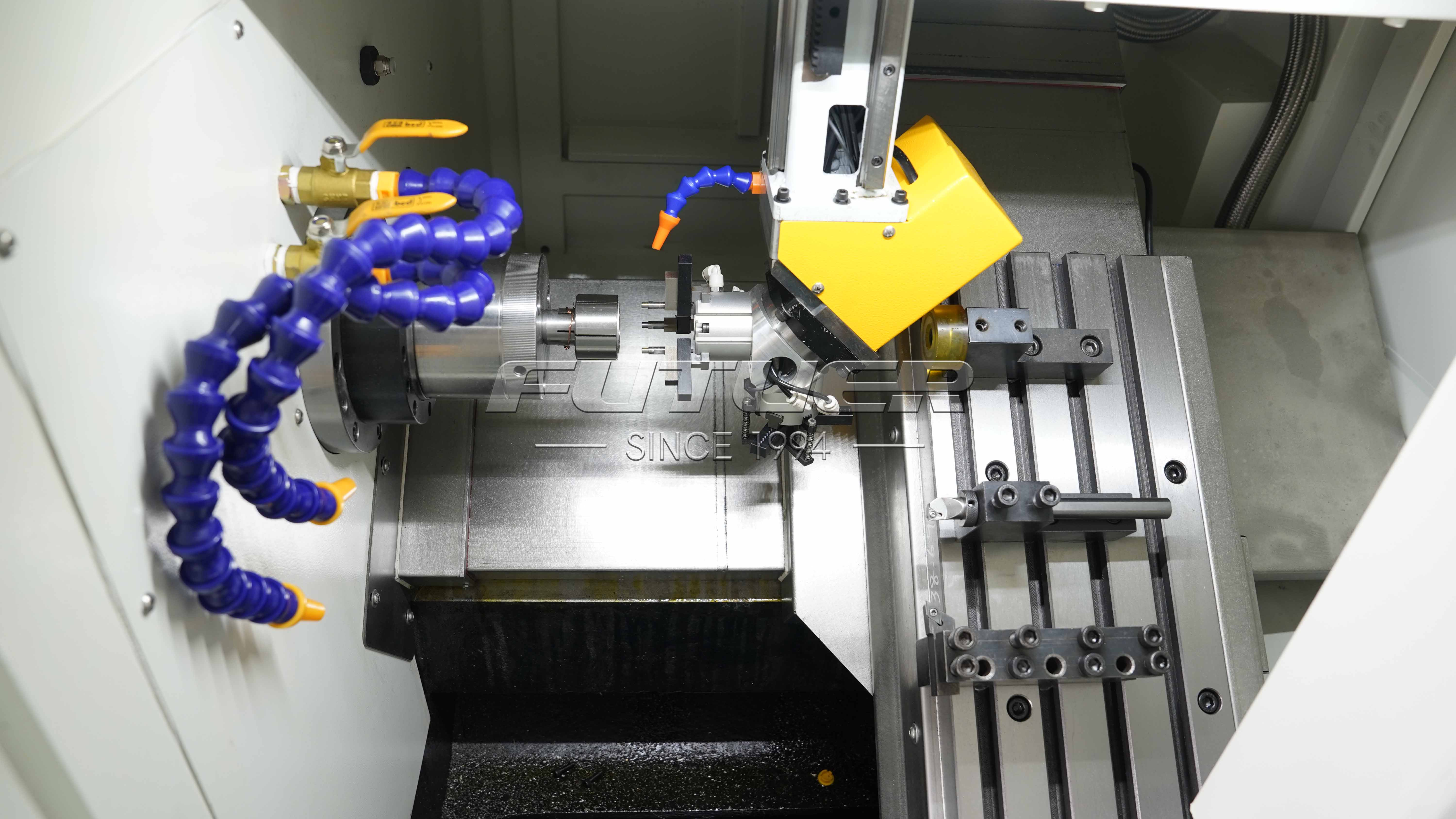
Machine Capabilities: Matching CNC Turning Machine Specifications to Your Production Needs Spindle Power, Rigidity, and Control System Intelligence The power of the spindle plays a big role in generating enough torque when cutting through difficul...
VIEW MORE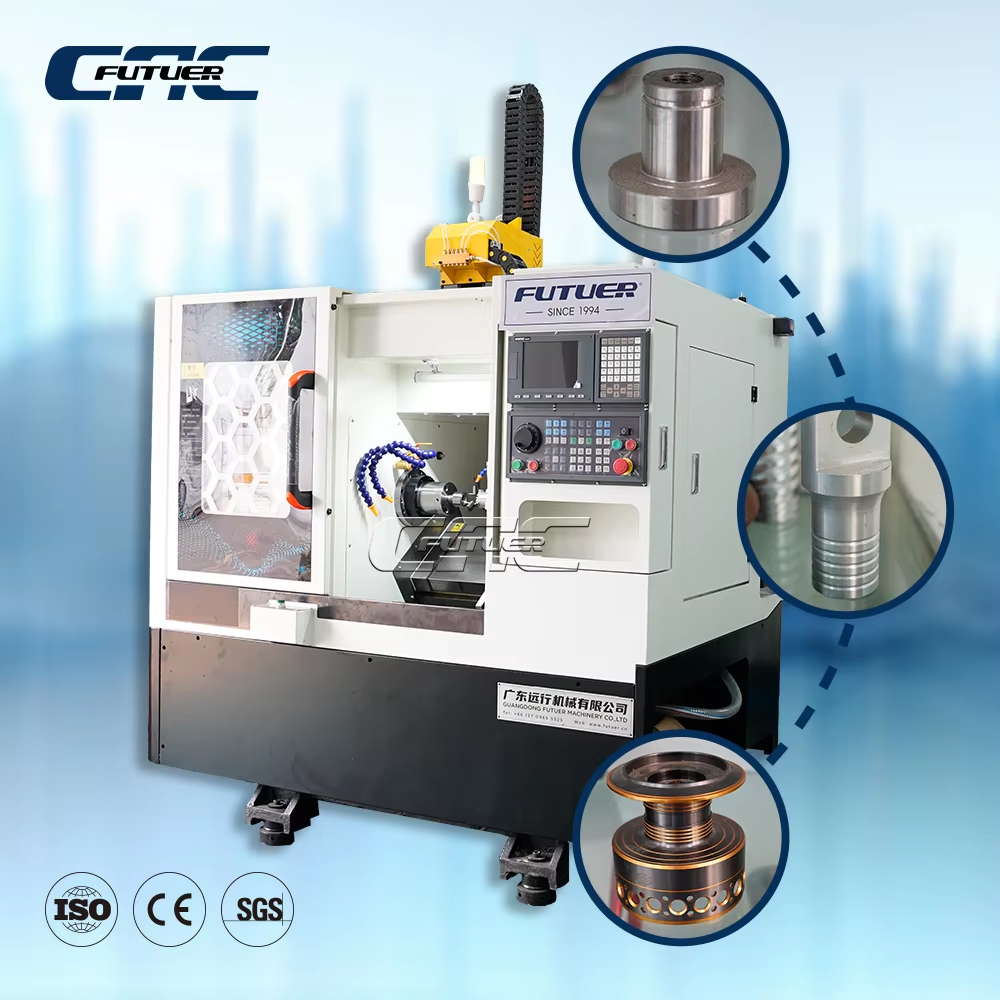
Core Working Principle: Rotational Material Removal in CNC Turning Machines Kinematics of Cutting: How Workpiece Rotation and Tool Feed Enable Precision Chip Formation In CNC turning, the process works when the workpiece rotates while a cutting to...
VIEW MORE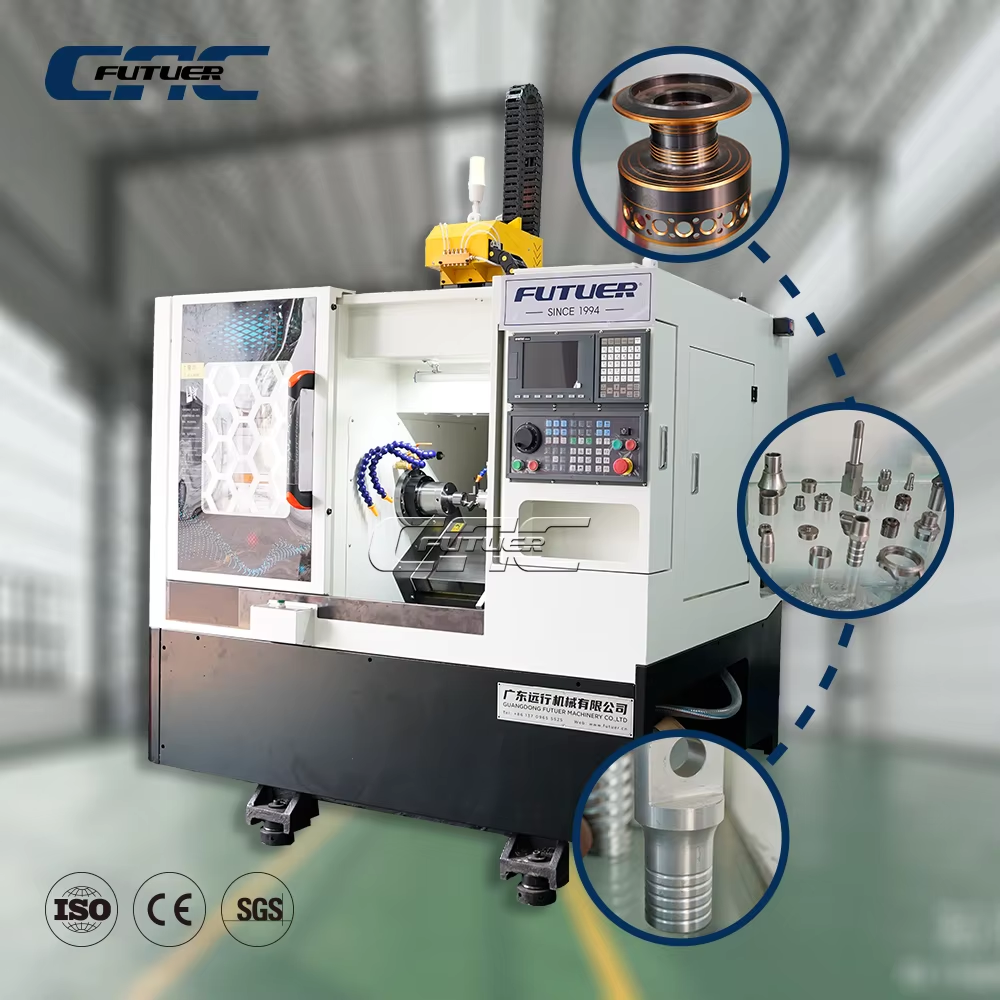
CNC Turning Machine:Precision, Repeatability, and Quality Consistency How CNC Turning Machines Deliver Sub-Micron Tolerances Across Batches Modern CNC turning machines can hit those incredibly tight tolerances around 0.005 mm thanks to their close...
VIEW MORE
Core Design Elements That Enable Precision in Every CNC Turning Machine What makes a high precision CNC turning machine work so well starts with how stable it is mechanically. Getting those IT5 to IT7 tolerances consistently requires something rea...
VIEW MORE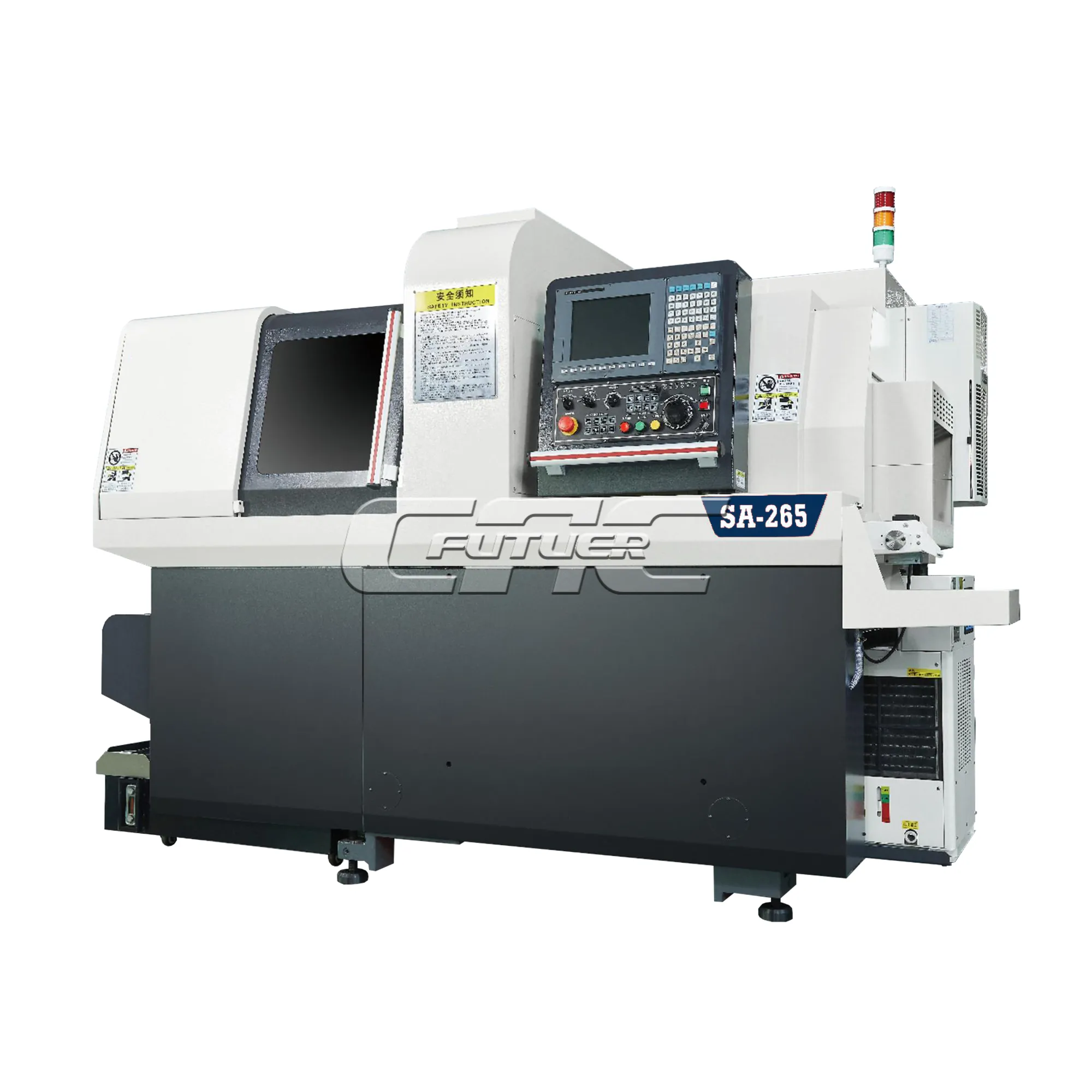
CNC Turning Machine: Unmatched Precision and Micron-Level Tolerance Control Today's computer numerical control (CNC) turning machines can reach incredible levels of precision thanks to their closed loop feedback systems and those fancy servo contr...
VIEW MORE
What Is a CNC Turning Machine and How Does It Work? Core Components and Operational Principles A CNC (Computer Numerical Control) turning machine is a precision subtractive manufacturing system in which a stationary cutting tool shapes a rotating ...
VIEW MORE
Precision Engineering: How CNC Turning Machines Achieve Sub-Micron Accuracy Core Enablers: Machine Rigidity, Thermal Compensation, and High-Resolution Feedback Systems The sub-micron accuracy achieved by CNC turning machines comes down to three ma...
VIEW MORE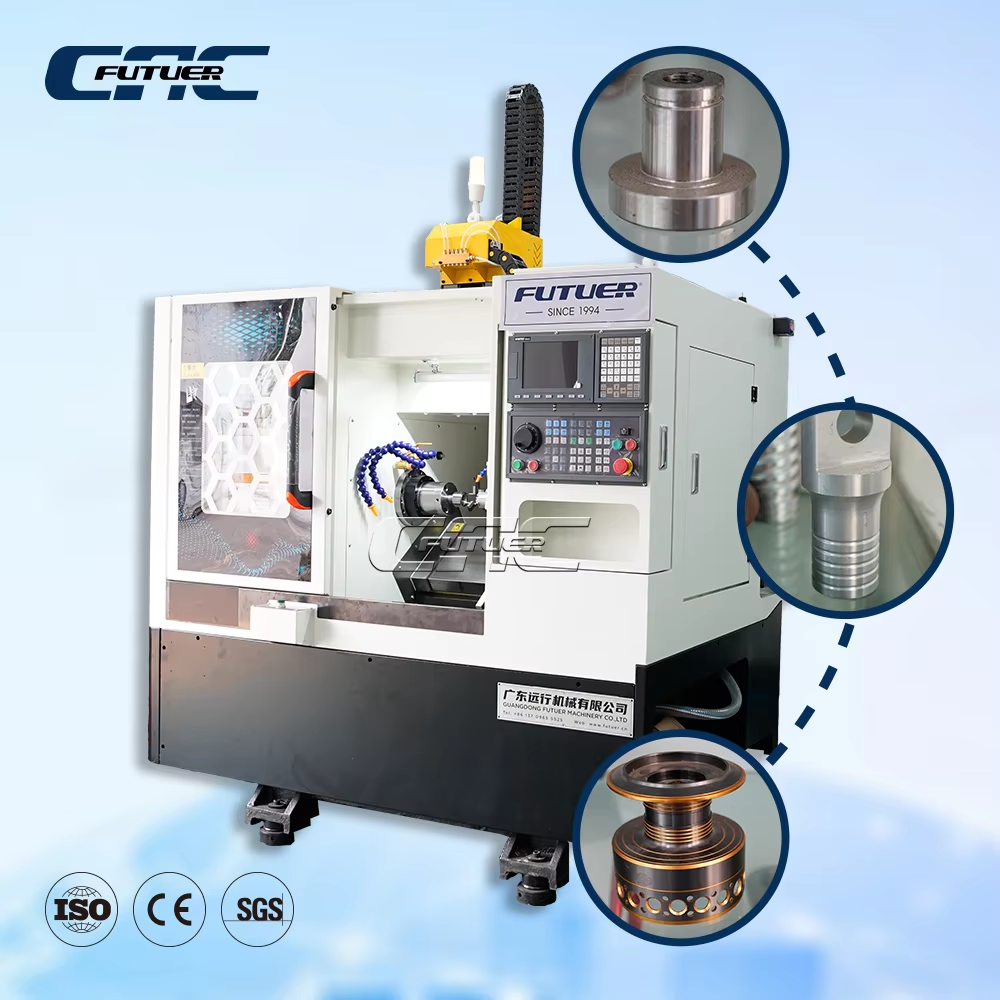
Slant Bed Design and Its Impact on Chip Removal Efficiency How the inclined structure promotes natural chip flow Slant bed lathes have this special angle usually somewhere around 30 to 45 degrees that actually works with gravity instead of fighting...
VIEW MORE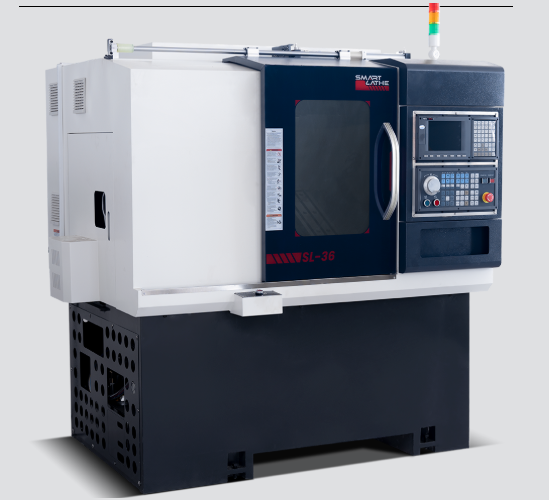
Slant Bed Lathe Structure: Enhancing Stability Through Geometric Design Why the Slant Bed Replaced Flat Bed Designs in Modern CNC Lathes Moving from flat bed to slant bed CNC lathes represents a major step forward in machining technology, all becau...
VIEW MORE
The Engineering Advantage of Slant Bed CNC Lathe Design How the Slanted Bed Structure Enhances Rigidity and Vibration Damping CNC lathes with slanted beds generally have better structural strength than those with flat beds. The angle, usually aroun...
VIEW MORECopyright © GUANGDONG FUTUER GROUP CO.LTD — Privacy Policy

 EN
EN